

Care Disclaimer: Plant care recommendations are general guidelines based on common growing conditions. Individual results may vary based on your local environment, climate, and care routine. If your plant is toxic, keep it away from children and pets, and consult a veterinarian if accidental ingestion occurs.
1.Foeniculum Vulgare — Overview

Foeniculum vulgare, commonly known as Fennel, is a resilient, aromatic herb belonging to the Apiaceae family. Often grown as a short-lived perennial in USDA zones 4-9 or as an annual in cooler climates, it is native to the sun-drenched Mediterranean coasts.
It is cultivated globally for its versatile applications, including its:
Distinctive sweet, licorice-like flavor
Use in culinary traditions
Use in medicinal traditions
Ability to attract beneficial insects like bees and butterflies
Edible bulb, particularly from the Florence fennel variety
The plant features delicate, feathery green leaves that are finely dissected, giving them an airy texture reminiscent of dill. Its smooth, hollow, jointed stems can reach heights of up to 6 feet, culminating in terminal compound umbels adorned with small, bright yellow flowers.
These flowers yield oblong, ridged seeds that mature from dark green to greyish-brown.
The entire plant, from its deep taproot to its fronds and seeds, exudes a characteristic anise aroma, primarily due to the presence of anethole.
Trusted Scientific References
Authoritative external sources for Foeniculum Vulgare:
Foeniculum Vulgare should be interpreted through verified botanical identity, practical care, and responsible safety language. This recovery note adds the missing context needed for a complete profile: match light to the plant's habit, use well-drained soil, water according to season, and avoid unsupported medicinal or edible claims. For publishing, the plant can be presented as a source-backed garden plant with clear care guidance, common problem diagnosis, and conservative safety wording.
1.1.Foeniculum Vulgare — Key Features
- Botanical Name — Foeniculum vulgare Mill.
- Family — Apiaceae (Carrot family).
- Aroma/Flavor — Sweet, warm, licorice-like, and anise-like.
- Plant Parts Used — Seeds (fruits), leaves, stems, bulb (Florence fennel), roots.
- Growth Habit — Hardy perennial, often cultivated as an annual, reaching up to 6 feet tall.
- Foliage — Delicate, feathery, finely dissected green leaves.
- Flowers — Small, bright yellow flowers arranged in characteristic compound umbels.
- Traditional Uses — Primarily for digestive ailments, lactation support, and respiratory conditions.
- Key Bioactive Compound — Anethole, responsible for its dominant flavor and many pharmacological actions.
- Culinary Versatility — Used as a vegetable, fresh herb, and dried spice in diverse cuisines globally.
1.2.Foeniculum Vulgare — Quick Summary
- Digestive powerhouse: Relieves bloating, gas, and stomach cramps effectively.
- Anise-like flavor: Versatile in both culinary and medicinal applications worldwide.
- Rich in anethole: Key compound responsible for its distinctive aroma and therapeutic effects.
- Galactagogue: Traditionally used to support and increase breast milk production in nursing mothers.
- Antioxidant & Anti-inflammatory: Contributes to cellular protection and overall wellness.
- Cultivated globally: Thrives in full sun and well-drained soil, easy to grow at home.
2.Foeniculum Vulgare — Scientific Identity
3.Foeniculum Vulgare — Categories & Tags
4.Foeniculum Vulgare — Appearance & Identification
5.Foeniculum Vulgare — Water Requirements
- Sunlight — Plant fennel in a location that receives full sun, ideally at least 6-8 hours of direct sunlight daily, for optimal growth and flavor development.
- Soil Requirements — It thrives in well-drained, fertile soil with a slightly acidic to neutral pH, typically ranging between 6.0 and 7.0. Amend heavy soils with organic matter to improve drainage.
- Sowing Seeds — Sow seeds directly into the garden after the last frost in spring, or in mid-summer for a fall crop of Florence fennel. Plant seeds about ¼ inch deep; soaking them for 24-48 hours can enhance germination, which usually occurs within 1-2 weeks.
- Spacing and Thinning — Space individual plants 6-12 inches apart to allow for proper air circulation and growth. Once seedlings emerge and reach about 2 inches tall, thin them to 4-6 inches apart.
- Watering — Maintain consistent soil moisture, particularly for Florence fennel, as dry conditions can trigger premature bolting. Avoid waterlogging, which can lead to root rot. Common fennel is more drought-tolerant once established.
- Blanching (Florence Fennel) — For larger, tender Florence fennel bulbs, mound soil around the base of the plant as the bulb begins to swell, a process known as blanching. Harvest bulbs when they are roughly the size of a tennis ball.
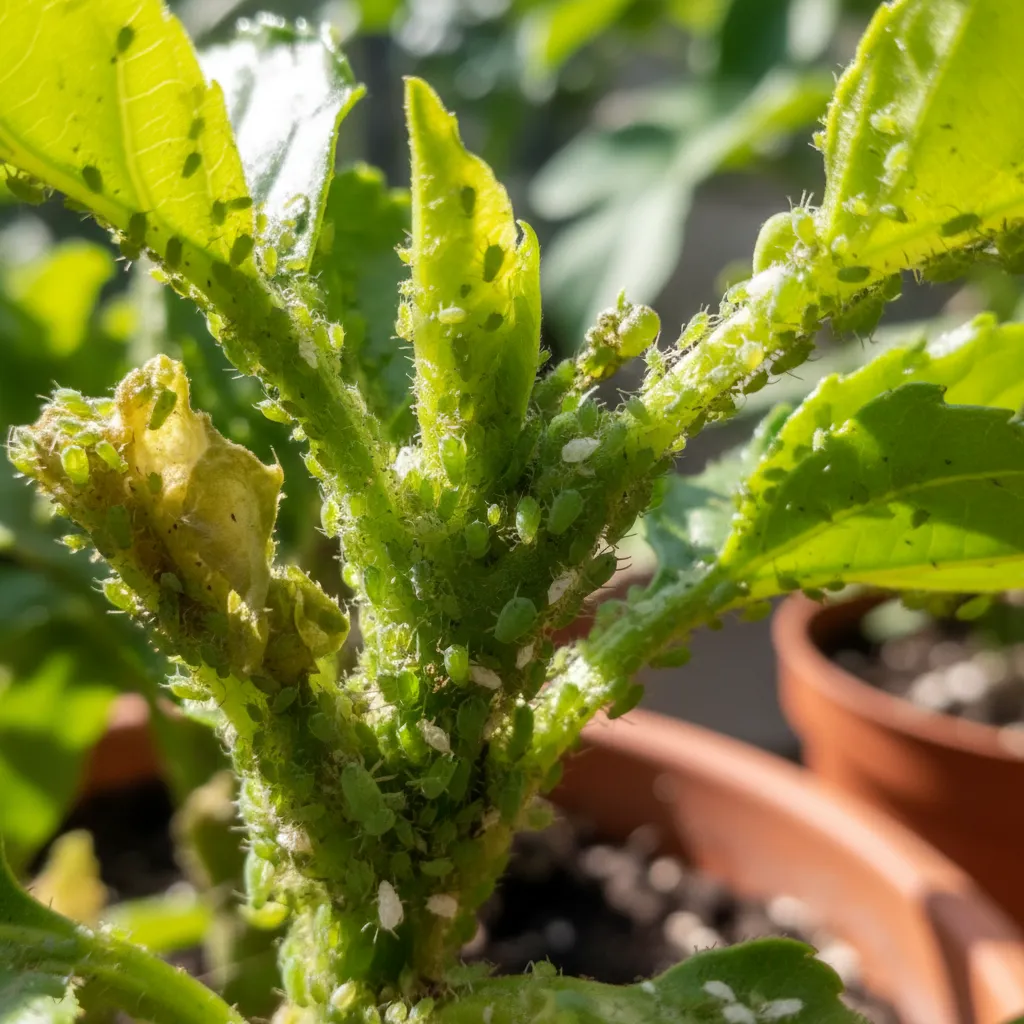
- Pest and Disease Management — Fennel generally exhibits good resistance to pests and diseases, though it can occasionally host swallowtail caterpillars. Root rot may occur in overly wet soil conditions.
- Harvesting — Harvest Florence fennel bulbs before they bolt. For seeds, cut the umbels as they turn brown and dry them on screens to prevent shattering. Deadhead common fennel to prevent unwanted self-seeding.
Reviewed by the Flora Medical Global Botanical Review Panel
Multi-disciplinary editorial group · Botany · Ethnobotany · Herbal-medicine literature
Who reviewed this: This page was checked by the Flora Medical Global Botanical Review Panel — an in-house editorial group of botany graduates, ethnobotany researchers, and horticulture practitioners who collectively maintain our 7,000+ plant encyclopedia. Meet the team.
Our 4-step verification process
1. Taxonomic verification
Scientific names and synonyms cross-checked against Kew POWO, World Flora Online, and The Plant List.
2. Phytochemical & medicinal cross-reference
Active compounds, traditional uses, and reported activities are cross-referenced with PubMed, USDA Dr. Duke's database, and peer-reviewed ethnobotanical literature.
3. Conservation & distribution check
Distribution, ecology, and conservation status confirmed against GBIF occurrence records and the IUCN Red List.
4. Editorial & safety review
Every entry passes an editorial pass for clarity, originality, and safety notices (toxicity, contraindications, dosage caveats) before publication.
Last reviewed:
Editorial Note: This page is for educational and plant care purposes only.
Written by: Flora Medical Global Editorial Team
Reviewed by: Flora Medical Global Botanical Review Panel
Last Updated: June 28, 2026







Foeniculum Vulgare — Comments & Community Reviews
Rate this plant
No reviews yet. Be the first!