


Care Disclaimer: Plant care recommendations are general guidelines based on common growing conditions. Individual results may vary based on your local environment, climate, and care routine. If your plant is toxic, keep it away from children and pets, and consult a veterinarian if accidental ingestion occurs.
1.Freesia — Overview
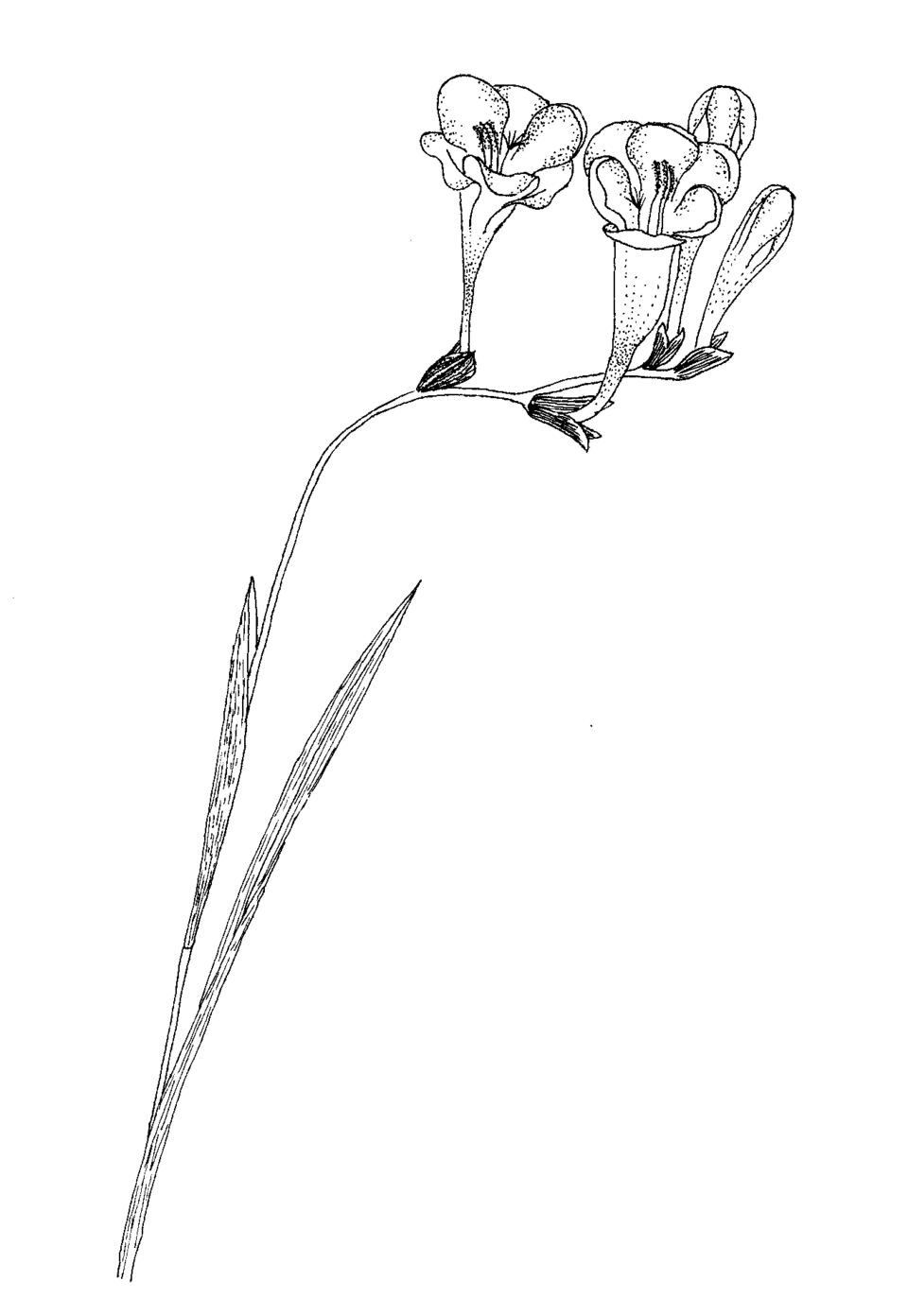
Freesia hybrids, belonging to the Iridaceae family, are captivating perennial herbaceous plants primarily native to the Cape Provinces of South Africa. These botanical treasures are renowned globally for their exquisite, funnel-shaped flowers that emerge in a remarkable spectrum of colors, including pristine white, sunny yellow, delicate pink, fiery red, and regal purple. Each blossom unfurls sequentially along an arching, leafless stem, creating a graceful, one-sided inflorescence. The plant typically grows from a corm, a swollen underground stem that stores nutrients, giving rise to its distinctive sword-shaped, long, and slender basal leaves.
These leaves form a neat rosette, providing a verdant backdrop to the vibrant blooms. Freesia's unique flowering pattern, where blooms appear to open from the inside out, adds to its visual allure. A hallmark of Freesia is its intensely sweet, often fruity fragrance, which is highly attractive to a variety of pollinators, such as bees and butterflies. Thriving in well-draining soils and preferring full sun to partial shade, Freesias are widely cultivated in gardens worldwide for their appealing aesthetics and are a highly sought-after cut flower due to their exceptional vase life.
Their typical flowering period spans from late winter through spring, making them an ideal choice for adding early season color and fragrance to diverse garden settings and floral arrangements. Beyond their ornamental charm, Freesia hybrids contribute to local biodiversity by supporting beneficial insects, aligning with eco-friendly gardening practices.
Trusted Scientific References
1. Authoritative external sources for Freesia hybrid
1.1 Wikipedia — Freesia hybrid
1.2 Kew POWO (Plants of the World Online)
1.3 PubMed — peer-reviewed research
1.4 NCBI Taxonomy Browser
1.5 GBIF — Global Biodiversity
1.6Freesia should be interpreted through verified botanical identity, practical care, and responsible safety language. This recovery note adds the missing context needed for a complete profile: match light to the plant's habit, use well-drained soil, water according to season, and avoid unsupported medicinal or edible claims. For publishing, the plant can be presented as a source-backed garden plant with clear care guidance, common problem diagnosis, and conservative safety wording.
1.1.Freesia — Key Features
- ✓ <strong>Striking Funnel</strong> — Shaped Flowers — Distinctive, elegant blooms that unfurl sequentially along one side of the stem.
- ✓ <strong>Wide Color Spectrum</strong> — Available in white, yellow, pink, red, purple, and bicolors, offering versatile aesthetic options.
- ✓ <strong>Intensely Sweet Fragrance</strong> — Renowned for its strong, pleasant, often citrusy-floral scent, highly valued in perfumery.
- ✓ <strong>Corm</strong> — Grown Perennial — Propagates from corms, which store nutrients and allow for perennial growth in suitable climates.
- ✓ <strong>Sword</strong> — Shaped Basal Leaves — Long, slender, gladiolus-like leaves forming an attractive rosette at the base.
- ✓ <strong>Excellent Cut Flower</strong> — Exceptional vase life, lasting up to two weeks, making it a favorite for floral arrangements.
- ✓ <strong>Native to South Africa</strong> — Originates from the Cape Provinces, thriving in a Mediterranean-like climate.
- ✓ <strong>Attracts Pollinators</strong> — Its vibrant flowers and fragrance are effective in attracting bees and other beneficial insects.
- ✓ <strong>Blooms Late Winter to Spring</strong> — Provides early-season color and fragrance, extending garden interest.
- ✓ <strong>Adaptable to Containers</strong> — Can be successfully grown in pots, allowing for flexible garden design and indoor enjoyment.
1.2.Freesia — Quick Summary
- ✓ Freesia (Freesia hybrid) is a fragrant, ornamental perennial from South Africa, prized for its vibrant, funnel-shaped flowers.
- ✓ It is widely cultivated globally for its aesthetic appeal, diverse colors, and sweet, captivating scent.
- ✓ Primarily used in floristry, garden design, and perfumery, Freesia boasts an excellent vase life.
- ✓ No significant medicinal uses or specific phytochemical constituents with therapeutic actions are widely documented for Freesia.
- ✓ Cultivation requires well-draining soil, full sun, and moderate watering, with corms needing winter protection in colder climates.
- ✓ Generally considered non-toxic to humans and pets, with minor risks of contact dermatitis for highly sensitive individuals.
2.Freesia — Scientific Identity
3.Freesia — Quick Facts
4.Freesia — Appearance & Identification
5.Freesia — Native Habitat
6.Freesia — Water Requirements
- ✓ Planting Depth and Spacing — Plant Freesia corms 3-5 inches deep and approximately 4-6 inches apart in well-draining soil, ensuring proper air circulation and root development.
- ✓ Soil Requirements — Optimal growth occurs in rich, sandy to loamy soil that is consistently moist but never waterlogged, with a slightly acidic to neutral pH (6.0-7.0).
- ✓ Light Exposure — Freesias thrive in full sun to partial shade, requiring at least six hours of direct sunlight daily to encourage robust flowering and vibrant color.
- ✓ Watering Regimen — Maintain consistent moisture during active growth and flowering; reduce watering significantly once foliage begins to yellow and the plant enters dormancy, allowing the corms to dry.
- ✓ Fertilization — Apply a balanced, slow-release granular fertilizer or a liquid feed every 2-4 weeks during the active growing season to support vigorous growth and abundant blooms.
- ✓ Dormancy Care — After flowering, allow foliage to die back naturally to nourish the corms; in colder climates (below USDA Zone 9), lift corms for winter storage in a cool, dry, well-ventilated area.
- ✓ Pest and Disease Management — Monitor for common pests like aphids and thrips, and fungal diseases such as corm rot, ensuring good air circulation and proper sanitation to prevent issues.
- ✓ Support for Stems — Taller Freesia varieties may benefit from staking to prevent their delicate flower stalks from bending or breaking under the weight of their blooms.
Reviewed by the Flora Medical Global Botanical Review Panel
Multi-disciplinary editorial group · Botany · Ethnobotany · Herbal-medicine literature
Who reviewed this: This page was checked by the Flora Medical Global Botanical Review Panel — an in-house editorial group of botany graduates, ethnobotany researchers, and horticulture practitioners who collectively maintain our 7,000+ plant encyclopedia. Meet the team.
Our 4-step verification process
1. Taxonomic verification
Scientific names and synonyms cross-checked against Kew POWO, World Flora Online, and The Plant List.
2. Phytochemical & medicinal cross-reference
Active compounds, traditional uses, and reported activities are cross-referenced with PubMed, USDA Dr. Duke's database, and peer-reviewed ethnobotanical literature.
3. Conservation & distribution check
Distribution, ecology, and conservation status confirmed against GBIF occurrence records and the IUCN Red List.
4. Editorial & safety review
Every entry passes an editorial pass for clarity, originality, and safety notices (toxicity, contraindications, dosage caveats) before publication.
Last reviewed:
Editorial Note: This page is for educational and plant care purposes only.
Written by: Flora Medical Global Editorial Team
Reviewed by: Flora Medical Global Botanical Review Panel
Last Updated: June 15, 2026







Freesia — Comments & Community Reviews
Rate this plant