

Care Disclaimer: Plant care recommendations are general guidelines based on common growing conditions. Individual results may vary based on your local environment, climate, and care routine. If your plant is toxic, keep it away from children and pets, and consult a veterinarian if accidental ingestion occurs.
1.Geranium Ivy — Overview
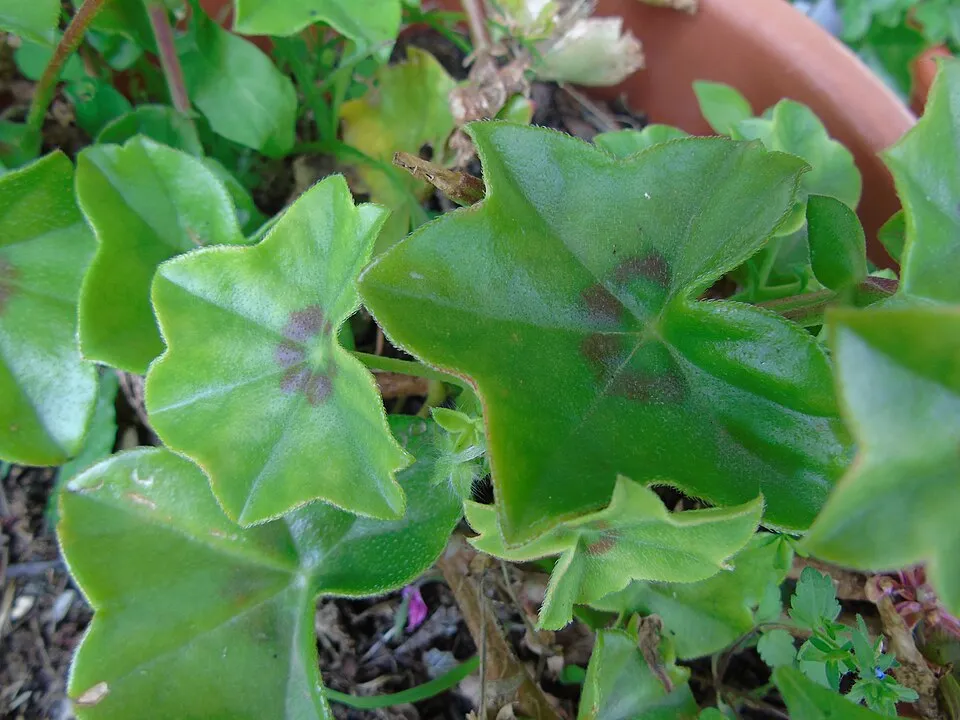
Pelargonium peltatum, universally recognized as Ivy Geranium or Hanging Geranium, is a striking perennial plant characterized by its trailing or cascading growth habit. Native to the diverse landscapes of South Africa, it has become a globally cherished ornamental due to its abundant, long-lasting blooms and distinctive foliage. The leaves are typically heart-shaped to kidney-shaped, featuring prominent 3-5 lobes and a subtly leathery texture.
Many cultivars display unique dark zoning or 'zones' on their leaves, significantly enhancing their visual appeal. Its succulent stems can extend up to a meter or more, making it an exemplary choice for hanging baskets, window boxes, and as an attractive ground cover. The flowers, presented in charming umbels, showcase a rich palette of colors including various shades of pink, red, white, and purple, often distinguished by a singular dark blotch on the upper petals.
This species demonstrates remarkable adaptability, thriving in a range of conditions, though it performs optimally in well-drained soil and with ample sunlight. Its vigorous growth and continuous flowering cycle ensure vibrant color and texture in gardens and landscapes throughout the warmer seasons. Furthermore, its established drought tolerance contributes to its low-maintenance allure, making Ivy Geranium a favored selection for both novice and experienced gardeners.
Trusted Scientific References
1. Authoritative external sources for Pelargonium peltatum
1.1 Wikipedia — Pelargonium peltatum
1.2 Kew POWO (Plants of the World Online)
1.3 PubMed — peer-reviewed research
1.4 NCBI Taxonomy Browser
1.5 GBIF — Global Biodiversity
1.6Geranium Ivy should be interpreted through verified botanical identity, practical care, and responsible safety language. This recovery note adds the missing context needed for a complete profile: match light to the plant's habit, use well-drained soil, water according to season, and avoid unsupported medicinal or edible claims. For publishing, the plant can be presented as a source-backed garden plant with clear care guidance, common problem diagnosis, and conservative safety wording.
1.1.Geranium Ivy — Key Features
- ✓ <strong>Trailing and Cascading</strong> — Trailing and Cascading Growth Habit
- ✓ <strong>Distinctive Ivy</strong> — Shaped, Lobed Leaves with Dark Zoning
- ✓ <strong>Abundant, Colorful Flowers</strong> — Abundant, Colorful Flowers in Umbels (Pink, Red, White, Purple)
- ✓ <strong>Native to South</strong> — Native to South Africa and Widely Cultivated Ornamentally
- ✓ <strong>Rich in Antioxidant</strong> — Rich in Antioxidant Phytochemicals like Flavonoids and Phenolic Acids
- ✓ <strong>Possesses Notable Anti</strong> — inflammatory and Antimicrobial Activity
- ✓ <strong>Strong Astringent Properties</strong> — Strong Astringent Properties Due to High Tannin Content
- ✓ <strong>Relatively Drought</strong> — Tolerant Once Established
- ✓ <strong>Prefers Full Sun Exposure and Well</strong> — Drained Soil
- ✓ <strong>Considered Toxic if</strong> — Considered Toxic if Ingested by Humans or Animals
1.2.Geranium Ivy — Quick Summary
- ✓ Ornamental trailing perennial native to South Africa.
- ✓ Valued for vibrant, long-lasting blooms and distinctive ivy-like foliage.
- ✓ Contains beneficial compounds including flavonoids, tannins, and phenolic acids.
- ✓ Exhibits antioxidant, anti-inflammatory, antimicrobial, and astringent properties.
- ✓ Primarily used topically for skin health, minor wounds, and inflammation.
- ✓ Important safety note: All parts of the plant are considered toxic if ingested; strictly for external use.
2.Geranium Ivy — Scientific Identity
3.Geranium Ivy — Quick Facts
4.Geranium Ivy — Appearance & Identification
5.Geranium Ivy — Native Habitat
6.Geranium Ivy — Water Requirements
- ✓ Sunlight — Requires full sun exposure, ideally four to six hours daily, for optimal leaf color and prolific flower production.
- ✓ Soil — Thrives in loose, moist, well-drained soil, preferably a loam or sandy loam, with a pH ranging from slightly acidic to slightly alkaline.
- ✓ Watering — Needs consistent moisture; allow the soil surface to dry out between waterings to prevent soggy conditions and root rot.
- ✓ Fertilizer — Benefits from light, continuous feeding; use a slow-release fertilizer mixed into potting soil or a diluted water-soluble fertilizer every two weeks.
- ✓ Propagation — Most effectively propagated via stem cuttings; seeds can be used, but hybrid cultivars may not reproduce true to the parent plant.
- ✓ Pruning — Deadhead spent flowers to encourage continuous blooming; pinch back stems to promote a bushier growth habit and prune severely to rejuvenate woody perennial plants.
- ✓ Temperature — Prefers moderate summer temperatures; flowering may slow or cease during periods of extreme heat, and it is grown as an annual in frost-prone regions.
- ✓ Overwintering — In colder climates, potted plants can be brought indoors for winter, cut back by about one-third, and placed in a sunny, cool location (55-70°F).
Reviewed by the Flora Medical Global Botanical Review Panel
Multi-disciplinary editorial group · Botany · Ethnobotany · Herbal-medicine literature
Who reviewed this: This page was checked by the Flora Medical Global Botanical Review Panel — an in-house editorial group of botany graduates, ethnobotany researchers, and horticulture practitioners who collectively maintain our 7,000+ plant encyclopedia. Meet the team.
Our 4-step verification process
1. Taxonomic verification
Scientific names and synonyms cross-checked against Kew POWO, World Flora Online, and The Plant List.
2. Phytochemical & medicinal cross-reference
Active compounds, traditional uses, and reported activities are cross-referenced with PubMed, USDA Dr. Duke's database, and peer-reviewed ethnobotanical literature.
3. Conservation & distribution check
Distribution, ecology, and conservation status confirmed against GBIF occurrence records and the IUCN Red List.
4. Editorial & safety review
Every entry passes an editorial pass for clarity, originality, and safety notices (toxicity, contraindications, dosage caveats) before publication.
Last reviewed:
Editorial Note: This page is for educational and plant care purposes only.
Written by: Flora Medical Global Editorial Team
Reviewed by: Flora Medical Global Botanical Review Panel
Last Updated: June 15, 2026







Geranium Ivy — Comments & Community Reviews
Rate this plant