
Care Disclaimer: Plant care recommendations are general guidelines based on common growing conditions. Individual results may vary based on your local environment, climate, and care routine. If your plant is toxic, keep it away from children and pets, and consult a veterinarian if accidental ingestion occurs.
1.Geranium Zonal — Overview
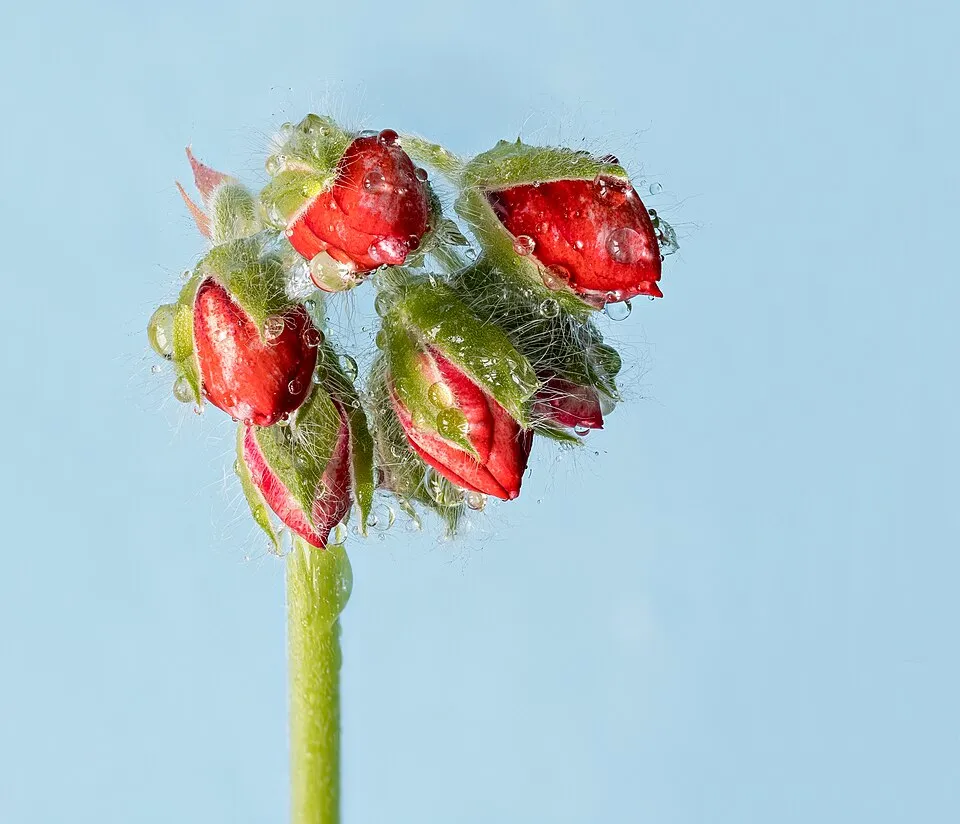
Geranium Zonal, scientifically known as Pelargonium × hortorum, is a distinguished hybrid flowering plant, widely celebrated for its remarkable ornamental attributes. This cultivated species is a cross primarily derived from Pelargonium inquinans and Pelargonium zonale, native to Southern Africa, though its hybrid nature means it does not occur naturally in the wild.
As a staple in global horticulture, Pelargonium × hortorum is characterized by its vibrant, often large, umbel-shaped flower clusters that bloom continuously throughout the warmer seasons, presenting a spectrum of colors including vivid reds, soft pinks, pure whites, and striking oranges.
Its most iconic morphological feature is the distinctive 'zone' or horseshoe-shaped band of darker pigmentation on its leaves, which provides its common 'Zonal' epithet and adds significant visual interest. The foliage itself is typically rounded or kidney-shaped, often soft to the touch. While commonly referred to as 'geraniums' in popular culture, Pelargonium × hortorum belongs to the genus Pelargonium, a distinct botanical entity from the true Geranium genus (cranesbills), though both are members of the Geraniaceae family.
This distinction is crucial for understanding potential medicinal properties. Adaptable and relatively low-maintenance, Zonal Geraniums thrive in full to partial sun and well-drained soil, exhibiting good drought tolerance once established. They are primarily cultivated as annuals in temperate regions or as tender perennials in frost-free zones, adorning gardens, containers, and hanging baskets worldwide with their persistent charm and color.
Trusted Scientific References
1. Authoritative external sources for Pelargonium × hortorum
1.1 Wikipedia — Pelargonium × hortorum
1.2 Kew POWO (Plants of the World Online)
1.3 PubMed — peer-reviewed research
1.4 NCBI Taxonomy Browser
1.5 GBIF — Global Biodiversity
1.6Geranium Zonal should be interpreted through verified botanical identity, practical care, and responsible safety language. This recovery note adds the missing context needed for a complete profile: match light to the plant's habit, use well-drained soil, water according to season, and avoid unsupported medicinal or edible claims. For publishing, the plant can be presented as a source-backed garden plant with clear care guidance, common problem diagnosis, and conservative safety wording.
1.1.Geranium Zonal — Key Features
- ✓ <strong>Botanical Name</strong> — Pelargonium × hortorum (Zonal Geranium).
- ✓ <strong>Family</strong> — Geraniaceae.
- ✓ <strong>Hybrid Origin</strong> — A complex garden hybrid, primarily from P. inquinans and P. zonale.
- ✓ <strong>Distinctive Foliage</strong> — Characterized by a horseshoe-shaped 'zone' of darker pigment on its leaves.
- ✓ <strong>Vibrant Blooms</strong> — Produces large, showy umbels of flowers in a wide array of colors.
- ✓ <strong>Continuous Flowering</strong> — Known for its prolific and extended blooming period throughout warmer months.
- ✓ <strong>Low Maintenance</strong> — Easy to grow, adaptable, and tolerant of heat and drought once established.
- ✓ <strong>Ornamental Value</strong> — Widely cultivated globally for aesthetic appeal in gardens, containers, and baskets.
- ✓ <strong>Aromatic Presence</strong> — Certain cultivars offer a subtle, pleasant fragrance from their foliage.
- ✓ <strong>Pet Toxicity</strong> — Considered toxic to pets if ingested, causing gastrointestinal distress.
1.2.Geranium Zonal — Quick Summary
- ✓ Pelargonium × hortorum, or Geranium Zonal, is a popular ornamental hybrid.
- ✓ Celebrated for vibrant, continuous blooms and distinctive zonal leaf markings.
- ✓ Primarily grown for aesthetic appeal and garden enhancement, not core medicinal use.
- ✓ Contains anthocyanins, flavonoids, and tannins, contributing to color and mild astringency.
- ✓ Folk uses suggest mild topical application for skin irritations.
- ✓ Easy to cultivate, prefers full sun, well-drained soil, and is drought-tolerant.
2.Geranium Zonal — Scientific Identity
3.Geranium Zonal — Quick Facts
4.Geranium Zonal — Appearance & Identification
5.Geranium Zonal — Native Habitat
6.Geranium Zonal — Water Requirements
- ✓ Optimal Lighting — Pelargonium × hortorum thrives in full sun, requiring a minimum of 6 hours of direct sunlight daily for vigorous growth and prolific flowering, though it can tolerate partial sun.
- ✓ Soil Requirements — Plant in well-draining soil that is rich in organic matter, ideally a loam or sandy composition with a neutral to slightly alkaline pH range of 6.0-7.0. Avoid heavy, waterlogged conditions.
- ✓ Watering Practices — Water thoroughly when the top 1-2 inches of soil are dry to the touch, allowing the soil to dry out between waterings. Zonal Geraniums are drought-tolerant once established but benefit from consistent moisture.
- ✓ Temperature & Hardiness — Best cultivated as an annual in USDA zones 3-8 due to frost sensitivity, or as a tender perennial in warmer zones 9-12. Protect plants from freezing temperatures.
- ✓ Fertilization — During the active growing and flowering season (spring through fall), feed every 2-4 weeks with a balanced liquid fertilizer to support continuous bloom production and overall plant health.
- ✓ Pruning & Deadheading — Regularly deadhead spent flowers to encourage new blooms and prevent seed formation. Prune leggy stems to maintain a bushy, compact form and promote better air circulation.
- ✓ Propagation — Easily propagated from 4-6 inch stem cuttings taken in spring or late summer. Allow cuttings to callus for a day or two before planting them in a sterile, well-draining rooting medium.
- ✓ Pest & Disease Management — Generally resilient, but monitor for common pests like aphids, whiteflies, and spider mites. Ensure good air circulation and avoid overwatering to prevent fungal diseases such as botrytis.
Reviewed by the Flora Medical Global Botanical Review Panel
Multi-disciplinary editorial group · Botany · Ethnobotany · Herbal-medicine literature
Who reviewed this: This page was checked by the Flora Medical Global Botanical Review Panel — an in-house editorial group of botany graduates, ethnobotany researchers, and horticulture practitioners who collectively maintain our 7,000+ plant encyclopedia. Meet the team.
Our 4-step verification process
1. Taxonomic verification
Scientific names and synonyms cross-checked against Kew POWO, World Flora Online, and The Plant List.
2. Phytochemical & medicinal cross-reference
Active compounds, traditional uses, and reported activities are cross-referenced with PubMed, USDA Dr. Duke's database, and peer-reviewed ethnobotanical literature.
3. Conservation & distribution check
Distribution, ecology, and conservation status confirmed against GBIF occurrence records and the IUCN Red List.
4. Editorial & safety review
Every entry passes an editorial pass for clarity, originality, and safety notices (toxicity, contraindications, dosage caveats) before publication.
Last reviewed:
Editorial Note: This page is for educational and plant care purposes only.
Written by: Flora Medical Global Editorial Team
Reviewed by: Flora Medical Global Botanical Review Panel
Last Updated: June 15, 2026







Geranium Zonal — Comments & Community Reviews
Rate this plant