

Care Disclaimer: Plant care recommendations are general guidelines based on common growing conditions. Individual results may vary based on your local environment, climate, and care routine. If your plant is toxic, keep it away from children and pets, and consult a veterinarian if accidental ingestion occurs.
1.Gerbera Daisy — Overview
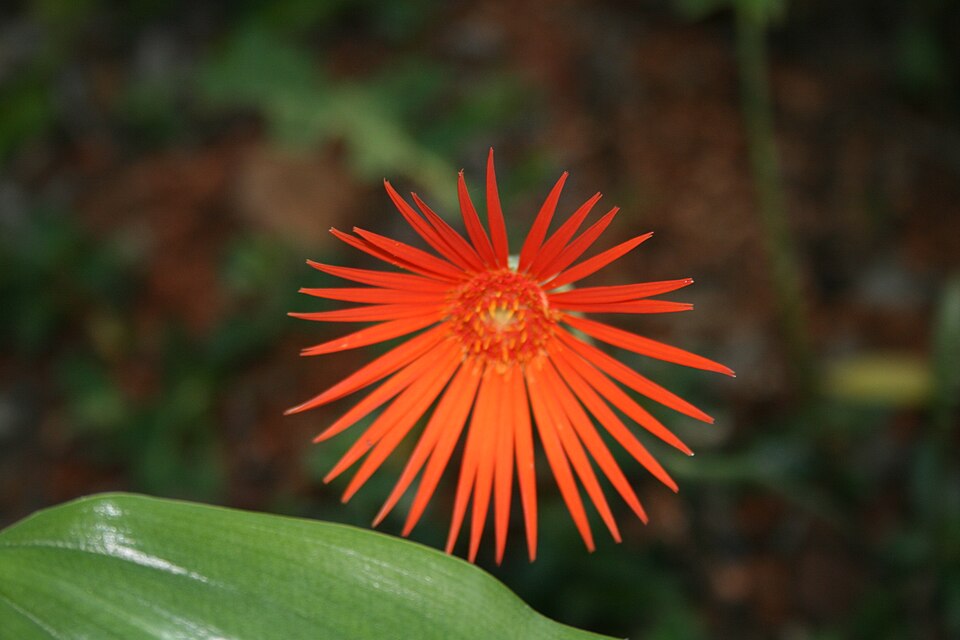
Gerbera jamesonii, famously known as the Gerbera Daisy or Transvaal Daisy, is a captivating herbaceous perennial belonging to the vast Asteraceae family. This species is native to the sun-drenched grasslands and open veld regions of South Africa, where it thrives under conditions mimicking pronounced wet and dry seasons. It is globally admired for its large, vibrant, daisy-like inflorescences. The plant establishes a prominent basal rosette of deeply lobed to pinnatifid leaves, which can reach lengths of up to 35 cm and are characterized by a distinctively hairy underside, providing a slightly fuzzy texture.
From the heart of this foliage rosette, tall, robust, and leafless scapes emerge, each culminating in a single, magnificent capitulum. These striking flower heads typically range from 7 to 12 cm in diameter and display an astonishing spectrum of colors, including brilliant reds, vivid oranges, sunny yellows, soft pinks, and pure whites, with central discs varying from yellowish to bronze or black. The capitulum is structurally composed of numerous tiny disc florets at its center, surrounded by one or two whorls of elongated, showy ray florets, which collectively contribute to its iconic aesthetic appeal. While a tender perennial in USDA Hardiness Zones 8 to 10, Gerbera jamesonii is often cultivated as a warm-season annual in cooler climates.
It flourishes optimally in full sun exposure, ideally morning sun with afternoon shade in hotter regions, and necessitates well-drained, fertile soil rich in organic matter. Its inherent hardiness and the enduring beauty of its blooms have cemented its status as a horticultural favorite, both as an ornamental garden plant and a highly prized cut flower across the globe, making Gerbera Daisy a staple in floral arrangements worldwide.
Trusted Scientific References
1. Authoritative external sources for Gerbera jamesonii
1.1 Wikipedia — Gerbera jamesonii
1.2 Kew POWO (Plants of the World Online)
1.3 PubMed — peer-reviewed research
1.4 NCBI Taxonomy Browser
1.5 GBIF — Global Biodiversity
1.1.Gerbera Daisy — Key Features
- ✓ <strong>Striking, large daisy</strong> — like flower heads in diverse, vibrant colors.
- ✓ <strong>Characterized by a</strong> — Characterized by a prominent basal rosette of deeply lobed, hairy leaves.
- ✓ <strong>Exceptionally long</strong> — lasting as a cut flower, popular in floral arrangements.
- ✓ <strong>Native to the</strong> — Native to the grasslands of South Africa, thriving in specific climatic conditions.
- ✓ <strong>Botanically classified within</strong> — Botanically classified within the extensive and diverse Asteraceae plant family.
- ✓ <strong>Cultivated as a</strong> — Cultivated as a tender perennial in warmer zones, often as an annual elsewhere.
- ✓ <strong>Contains a rich</strong> — Contains a rich array of beneficial phytochemicals, including various flavonoids and polyphenols.
- ✓ <strong>Known to attract</strong> — Known to attract pollinators such as bees and butterflies to gardens.
- ✓ <strong>Requires well</strong> — drained soil and specific sun exposure for optimal health and blooming.
- ✓ <strong>Valued for its</strong> — Valued for its aesthetic appeal and potential, though limited, therapeutic applications.
1.2.Gerbera Daisy — Quick Summary
- ✓ Gerbera Daisy (Gerbera jamesonii) is a vibrant, daisy-like flower native to South Africa.
- ✓ A tender perennial often grown as an annual, prized for its ornamental beauty and cut flowers.
- ✓ Contains beneficial phytochemicals like flavonoids and polyphenols, offering potential antioxidant and anti-inflammatory support.
- ✓ Primarily used for decorative purposes; scientific research on internal medicinal use is limited.
- ✓ Requires well-drained soil, morning sun, and consistent moisture for optimal growth.
- ✓ Generally safe for external contact, but individuals with Asteraceae allergies should exercise caution.
2.Gerbera Daisy — Scientific Identity
3.Gerbera Daisy — Quick Facts
4.Gerbera Daisy — Appearance & Identification
5.Gerbera Daisy — Native Habitat
6.Gerbera Daisy — Water Requirements
- ✓ Soil Requirements — Gerbera jamesonii thrives in well-drained, fertile soil that is rich in organic matter; consider raised beds or containers for heavy soils.
- ✓ Sunlight Exposure — Prefers morning sun and afternoon shade, especially in hot climates, to prevent scorching and promote prolonged blooming.
- ✓ Planting Technique — Plant in spring after the last frost, spacing individual plants 12 to 18 inches apart, ensuring the crown is at or slightly above soil level.
- ✓ Watering Practice — Water consistently to keep the soil moist but avoid overhead irrigation; allow the crown to dry slightly between waterings to prevent rot.
- ✓ Fertilization Regime — Apply a balanced controlled-release fertilizer two to three times during the growing season, or use a liquid feed every two weeks; supplement with iron and manganese if deficiencies appear.
- ✓ Mulching for Health — Apply a 2 to 3-inch layer of organic mulch, such as pine straw or bark, around plants to conserve soil moisture, regulate temperature, and suppress weeds.
- ✓ Promoting Blooms — Deadhead spent flowers regularly by removing the entire stem down to the next leaf or bud to encourage continuous flowering throughout the season.
- ✓ Overwintering Care — In colder zones (below USDA Zone 8), container-grown Gerbera daisies can be overwintered indoors in a cool (45-50°F), bright location with minimal watering.
Reviewed by the Flora Medical Global Botanical Review Panel
Multi-disciplinary editorial group · Botany · Ethnobotany · Herbal-medicine literature
Who reviewed this: This page was checked by the Flora Medical Global Botanical Review Panel — an in-house editorial group of botany graduates, ethnobotany researchers, and horticulture practitioners who collectively maintain our 7,000+ plant encyclopedia. Meet the team.
Our 4-step verification process
1. Taxonomic verification
Scientific names and synonyms cross-checked against Kew POWO, World Flora Online, and The Plant List.
2. Phytochemical & medicinal cross-reference
Active compounds, traditional uses, and reported activities are cross-referenced with PubMed, USDA Dr. Duke's database, and peer-reviewed ethnobotanical literature.
3. Conservation & distribution check
Distribution, ecology, and conservation status confirmed against GBIF occurrence records and the IUCN Red List.
4. Editorial & safety review
Every entry passes an editorial pass for clarity, originality, and safety notices (toxicity, contraindications, dosage caveats) before publication.
Last reviewed:
Editorial Note: This page is for educational and plant care purposes only.
Written by: Flora Medical Global Editorial Team
Reviewed by: Flora Medical Global Botanical Review Panel
Last Updated: June 15, 2026







Gerbera Daisy — Comments & Community Reviews
Rate this plant