
Care Disclaimer: Plant care recommendations are general guidelines based on common growing conditions. Individual results may vary based on your local environment, climate, and care routine. If your plant is toxic, keep it away from children and pets, and consult a veterinarian if accidental ingestion occurs.
1.Gerbera Viridifolia — Overview
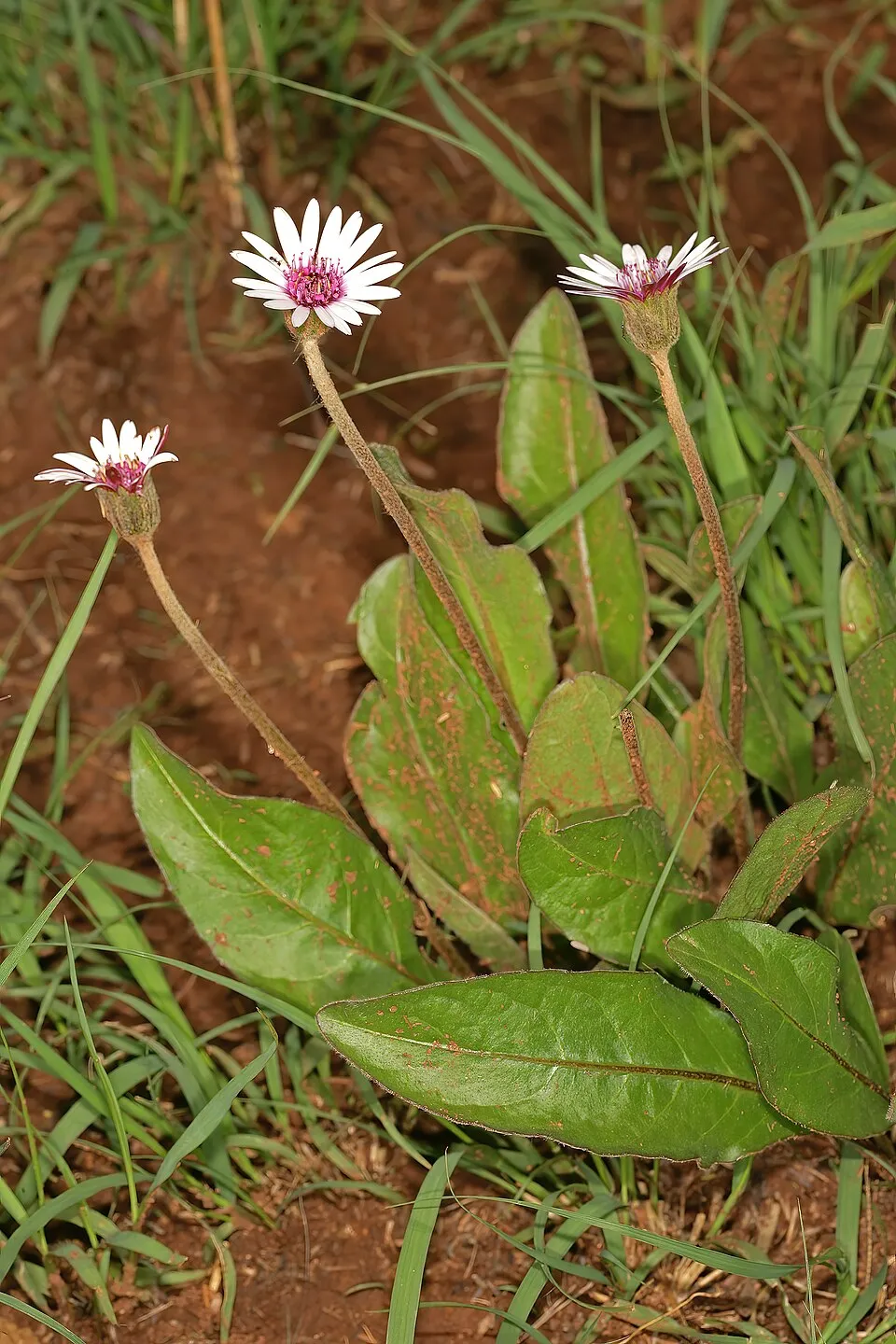
Gerbera Viridifolia, commonly known as the Green-leaved Gerbera, is a captivating and visually striking flowering plant primarily cherished for its ornamental attributes. A proud member of the expansive Asteraceae family, this species is distinguished by its vibrant, daisy-like inflorescences. These blooms typically showcase a prominent central disc, often surrounded by numerous ray florets that exhibit a cheerful palette of colors, including various shades of pink, red, orange, and yellow.
A defining morphological characteristic is its robust, often deeply lobed green leaves, which elegantly form a basal rosette. These lush leaves provide a beautiful, verdant backdrop that magnificently contrasts with the bright, effervescent flowers. Native to Southern Africa, particularly regions like the Transvaal, Gerbera Viridifolia is a tender perennial, meaning it can return year after year in warmer climates (USDA Zones 9-11) but is frequently cultivated as an annual in cooler zones.
It is a parent species, along with Gerbera jamesonii, to many popular garden hybrids often labeled as Gerbera x hybrida. The plant maintains a relatively compact growth habit, making it an ideal choice for enhancing gardens, container arrangements, and as a source for long-lasting cut flowers. Its adaptability and aesthetic appeal have cemented its popularity in diverse landscape designs and indoor settings, celebrated for its enduring freshness and radiant appearance.
Trusted Scientific References
1. Authoritative external sources for Gerbera Viridifolia
1.1 Wikipedia — Gerbera Viridifolia
1.2 Kew POWO (Plants of the World Online)
1.3 PubMed — peer-reviewed research
1.4 NCBI Taxonomy Browser
1.5 GBIF — Global Biodiversity
1.6Gerbera Viridifolia should be interpreted through verified botanical identity, practical care, and responsible safety language. This recovery note adds the missing context needed for a complete profile: match light to the plant's habit, use well-drained soil, water according to season, and avoid unsupported medicinal or edible claims. For publishing, the plant can be presented as a source-backed garden plant with clear care guidance, common problem diagnosis, and conservative safety wording.
1.1.Gerbera Viridifolia — Key Features
- ✓ <strong>Striking Daisy</strong> — like Flowers — Available in a wide array of cheerful colors, enhancing visual appeal.
- ✓ <strong>Lush Basal Rosette</strong> — Features deeply lobed, vibrant green leaves that provide excellent contrast.
- ✓ <strong>Long</strong> — Lasting Blooms — Highly valued for its durability as a cut flower, extending enjoyment.
- ✓ <strong>Compact Growth Habit</strong> — Ideal for diverse planting scenarios, including containers and garden borders.
- ✓ <strong>Indoor Air Purifier</strong> — Modestly contributes to cleaner indoor air by absorbing common VOCs.
- ✓ <strong>Pet and Child Safe</strong> — Non-toxic nature ensures a secure environment for families.
- ✓ <strong>Mood</strong> — Enhancing Aesthetics — Visually stimulates positive emotions and reduces stress.
- ✓ <strong>Adaptable to Hybrids</strong> — A key parent species for numerous popular and robust Gerbera cultivars.
- ✓ <strong>Moderate Care Needs</strong> — Relatively straightforward to cultivate with standard gardening practices.
- ✓ <strong>Perennial in Warm Zones</strong> — Capable of returning annually in frost-free regions (USDA 9-11).
1.2.Gerbera Viridifolia — Quick Summary
- ✓ Gerbera Viridifolia is a vibrant, ornamental flowering plant from the Asteraceae family.
- ✓ Valued for its cheerful, daisy-like blooms and lush green foliage, often hybridized.
- ✓ Primarily offers aesthetic well-being and modest indoor air purification benefits.
- ✓ Considered non-toxic, making it safe for homes with children and pets.
- ✓ Requires well-draining, slightly acidic soil, and bright, indirect light.
- ✓ Popular for gardens, containers, and long-lasting cut flower arrangements.
2.Gerbera Viridifolia — Scientific Identity
3.Gerbera Viridifolia — Quick Facts
4.Gerbera Viridifolia — Appearance & Identification
5.Gerbera Viridifolia — Native Habitat
6.Gerbera Viridifolia — Water Requirements
- Cultivating Gerbera Viridifolia successfully involves understanding its preferences for light, soil, and moisture to ensure healthy growth and abundant blooms.
- ✓ Climate Zone — Best grown as a tender perennial in USDA Hardiness Zones 9-11; in colder regions, it is typically cultivated as an annual or overwintered indoors.
- ✓ Sun Exposure — Requires 4-6 hours of bright, indirect sunlight daily; full sun is tolerated in northern climates, but afternoon shade is preferred in hotter southern regions to prevent leaf scorch.
- ✓ Soil Requirements — Thrives in well-draining, slightly acidic soil with a pH range of 5.5-6.5; amending with compost or aged manure improves soil structure and nutrient content.
- ✓ Watering — Maintain consistently moist but not soggy soil; allow the top inch of soil to dry out between waterings to prevent root and crown rot, which are common issues.
- ✓ Fertilization — For container-grown plants, apply a balanced liquid fertilizer biweekly to monthly during the growing season; in-ground plants may need less if soil is amended with compost.
- ✓ Pruning/Deadheading — Regularly deadhead spent flowers by gently pulling the stems from the base to encourage continuous blooming and maintain plant vigor; remove any damaged or yellowing leaves.
- ✓ Overwintering — In zones below 9, bring potted plants indoors before the first frost; store in a cool, unheated location and water sparingly to keep soil from drying out completely.
- ✓ Propagation — Can be propagated through division of the root ball in spring, ensuring each section has healthy roots, or by rooting leaf cuttings in a warm, moist medium.
Reviewed by the Flora Medical Global Botanical Review Panel
Multi-disciplinary editorial group · Botany · Ethnobotany · Herbal-medicine literature
Who reviewed this: This page was checked by the Flora Medical Global Botanical Review Panel — an in-house editorial group of botany graduates, ethnobotany researchers, and horticulture practitioners who collectively maintain our 7,000+ plant encyclopedia. Meet the team.
Our 4-step verification process
1. Taxonomic verification
Scientific names and synonyms cross-checked against Kew POWO, World Flora Online, and The Plant List.
2. Phytochemical & medicinal cross-reference
Active compounds, traditional uses, and reported activities are cross-referenced with PubMed, USDA Dr. Duke's database, and peer-reviewed ethnobotanical literature.
3. Conservation & distribution check
Distribution, ecology, and conservation status confirmed against GBIF occurrence records and the IUCN Red List.
4. Editorial & safety review
Every entry passes an editorial pass for clarity, originality, and safety notices (toxicity, contraindications, dosage caveats) before publication.
Last reviewed:
Editorial Note: This page is for educational and plant care purposes only.
Written by: Flora Medical Global Editorial Team
Reviewed by: Flora Medical Global Botanical Review Panel
Last Updated: June 15, 2026







Gerbera Viridifolia — Comments & Community Reviews
Rate this plant