

Care Disclaimer: Plant care recommendations are general guidelines based on common growing conditions. Individual results may vary based on your local environment, climate, and care routine. If your plant is toxic, keep it away from children and pets, and consult a veterinarian if accidental ingestion occurs.
1.Geum Chiloense — Overview
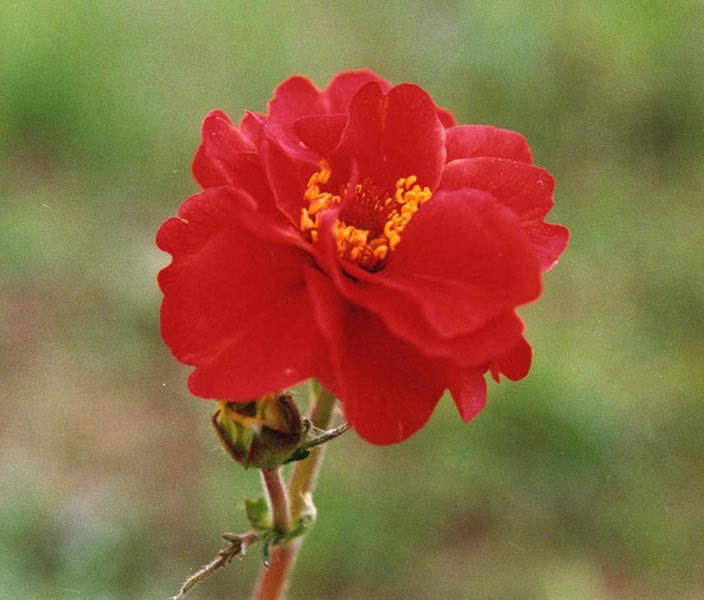
Geum chiloense, commonly known as Chilean Avens or Scarlet Avens, is an enchanting herbaceous perennial belonging to the extensive Rosaceae family. Native to the central and southern regions of Chile, particularly the island of Chiloé, this resilient plant forms a robust, neat mound of attractive basal foliage. Its leaves are typically deeply lobed or pinnate, often hairy, creating a verdant foundation from which slender, yet sturdy, upright stems ascend.
These stems proudly bear an abundance of showy flowers, which can be single or double, captivating gardeners with their vibrant hues of scarlet, fiery orange, and sunny yellow. Blooming profusely from late spring through the summer months, Geum chiloense provides a long-lasting and dynamic splash of color, making it a prized choice for borders, rock gardens, and cottage garden designs, and also highly valued as a cut flower. Beyond its aesthetic appeal, its hardiness and ability to attract beneficial pollinators further enhance its garden utility.
While primarily cultivated for its ornamental charm, Geum chiloense shares its genus with species like Geum urbanum, known for their historical medicinal applications, suggesting a shared phytochemical profile that warrants further investigation.
Trusted Scientific References
1. Authoritative external sources for Geum chiloense
1.1 Wikipedia — Geum chiloense
1.2 Kew POWO (Plants of the World Online)
1.3 PubMed — peer-reviewed research
1.4 NCBI Taxonomy Browser
1.5 GBIF — Global Biodiversity
1.6Geum Chiloense should be interpreted through verified botanical identity, practical care, and responsible safety language. This recovery note adds the missing context needed for a complete profile: match light to the plant's habit, use well-drained soil, water according to season, and avoid unsupported medicinal or edible claims. For publishing, the plant can be presented as a source-backed garden plant with clear care guidance, common problem diagnosis, and conservative safety wording.
1.1.Geum Chiloense — Key Features
- ✓ <strong>Vibrant, fiery</strong> — colored flowers (scarlet, orange, yellow).
- ✓ <strong>Forms a neat</strong> — Forms a neat mound of attractive, deeply lobed basal foliage.
- ✓ <strong>Native to central</strong> — Native to central and southern Chile, including Chiloé island.
- ✓ <strong>Blooms profusely from</strong> — Blooms profusely from late spring through summer, offering long-lasting color.
- ✓ <strong>Known for hardiness</strong> — Known for hardiness and ability to attract pollinators.
- ✓ <strong>Rich in tannins,</strong> — Rich in tannins, flavonoids, and triterpenes, similar to medicinal Geum species.
- ✓ <strong>Exhibits traditional astringent, anti</strong> — inflammatory, and antiseptic actions.
- ✓ <strong>Valued for ornamental</strong> — Valued for ornamental gardening, suitable for borders and rock gardens.
- ✓ <strong>Propagated effectively by</strong> — Propagated effectively by seed or division.
- ✓ <strong>Prefers full sun to partial shade and well</strong> — drained, fertile soil.
1.2.Geum Chiloense — Quick Summary
- ✓ Chilean Avens is a vibrant ornamental perennial native to Chile.
- ✓ Shares medicinal phytochemicals like tannins and flavonoids with its Geum relatives.
- ✓ Traditionally used for astringent, anti-inflammatory, and antiseptic properties.
- ✓ Key applications include digestive health, oral care, and topical wound healing.
- ✓ Cultivation is straightforward, preferring sun and well-drained soil.
- ✓ Caution advised for pregnant women, children, and those on specific medications.
2.Geum Chiloense — Scientific Identity
3.Geum Chiloense — Quick Facts
4.Geum Chiloense — Appearance & Identification
5.Geum Chiloense — Native Habitat
6.Geum Chiloense — Water Requirements
- ✓ Soil Requirements — Thrives in fertile, well-draining soil rich in organic matter; a good garden loam is ideal.
- ✓ Watering Schedule — Requires consistent moisture, especially during the growing season; avoid waterlogging.
- ✓ Light Exposure — Prefers full sun (6+ hours daily) for optimal flowering, but tolerates partial shade, particularly in hot climates.
- ✓ Temperature & Hardiness — Optimal growth between 10–28°C; minimum tolerance to -3°C (USDA Zones 9-12).
- ✓ Fertilization Regime — Apply a balanced liquid fertilizer monthly during the active growing season to support growth.
- ✓ Propagation Techniques — Easily propagated by seeds sown at 18–22°C or by division of clumps in spring or autumn.
- ✓ Mulching Benefits — Applying organic mulch helps retain soil moisture, regulate temperature, and suppress weed growth.
- ✓ Pruning & Maintenance — Deadhead spent flowers to encourage continuous blooming and prune back foliage as needed to maintain vigor.
Reviewed by the Flora Medical Global Botanical Review Panel
Multi-disciplinary editorial group · Botany · Ethnobotany · Herbal-medicine literature
Who reviewed this: This page was checked by the Flora Medical Global Botanical Review Panel — an in-house editorial group of botany graduates, ethnobotany researchers, and horticulture practitioners who collectively maintain our 7,000+ plant encyclopedia. Meet the team.
Our 4-step verification process
1. Taxonomic verification
Scientific names and synonyms cross-checked against Kew POWO, World Flora Online, and The Plant List.
2. Phytochemical & medicinal cross-reference
Active compounds, traditional uses, and reported activities are cross-referenced with PubMed, USDA Dr. Duke's database, and peer-reviewed ethnobotanical literature.
3. Conservation & distribution check
Distribution, ecology, and conservation status confirmed against GBIF occurrence records and the IUCN Red List.
4. Editorial & safety review
Every entry passes an editorial pass for clarity, originality, and safety notices (toxicity, contraindications, dosage caveats) before publication.
Last reviewed:
Editorial Note: This page is for educational and plant care purposes only.
Written by: Flora Medical Global Editorial Team
Reviewed by: Flora Medical Global Botanical Review Panel
Last Updated: June 15, 2026







Geum Chiloense — Comments & Community Reviews
Rate this plant