


Care Disclaimer: Plant care recommendations are general guidelines based on common growing conditions. Individual results may vary based on your local environment, climate, and care routine. If your plant is toxic, keep it away from children and pets, and consult a veterinarian if accidental ingestion occurs.
1.Gordonia Lasianthus — Overview
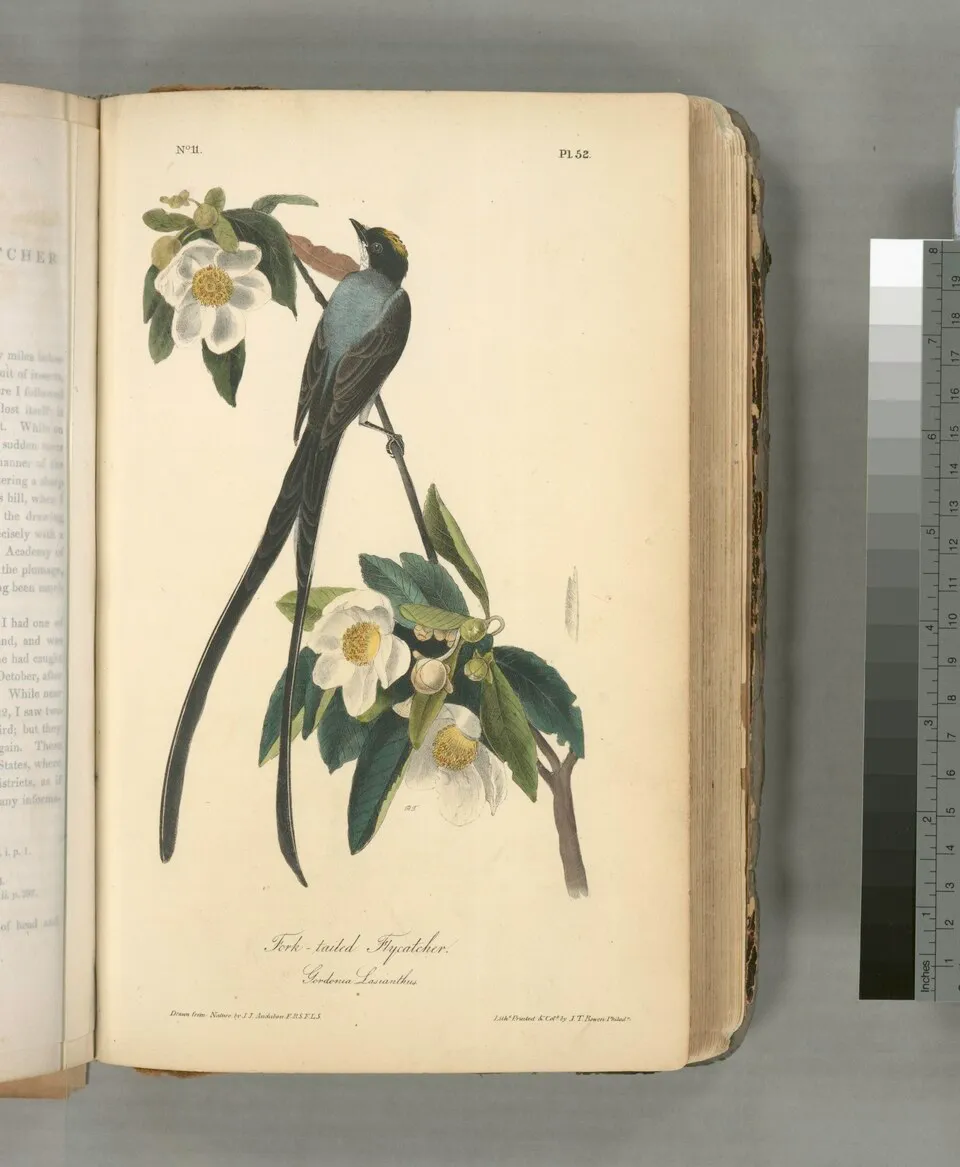
Gordonia lasianthus, commonly known as the Loblolly-bay, is an elegant evergreen tree native to the acidic, swampy soils of pinelands and bays across the Atlantic and Gulf Coastal Plains of the southeastern United States. Belonging to the Theaceae family, the same as the tea plant and camellias, it typically reaches heights of 6-12 meters (20-40 feet), though some specimens can grow taller, exhibiting a narrow, upright, columnar to pyramidal form. Its most striking feature is its profusion of large, white, fragrant flowers, reminiscent of camellias, which bloom from late spring through summer, often attracting pollinators.
The bark matures from a medium gray to reddish-brown, exfoliating in thin, irregular plates to reveal a smoother, lighter inner bark. The leaves are simple, alternate, oblong to lanceolate, 3-6 inches long, with finely serrated margins, presenting a glossy, dark green upper surface that may dull or yellow slightly in colder months. Loblolly-bay thrives in moist, well-drained, acidic soils and is a characteristic species of pocosins and stream banks, demonstrating significant tolerance for wet conditions.
Its wood is soft, light-colored, and fine-grained, possessing a unique scent when cut, described as a blend of fresh oranges and pine sap, though it holds little commercial value beyond potential pulpwood. Ecologically, it supports local wildlife and contributes to the biodiversity of its native wetland ecosystems.
Trusted Scientific References
1. Authoritative external sources for Gordonia lasianthus
1.1 Wikipedia — Gordonia lasianthus
1.2 Kew POWO (Plants of the World Online)
1.3 PubMed — peer-reviewed research
1.4 NCBI Taxonomy Browser
1.5 GBIF — Global Biodiversity
1.6Gordonia Lasianthus should be interpreted through verified botanical identity, practical care, and responsible safety language. This recovery note adds the missing context needed for a complete profile: match light to the plant's habit, use well-drained soil, water according to season, and avoid unsupported medicinal or edible claims. For publishing, the plant can be presented as a source-backed garden plant with clear care guidance, common problem diagnosis, and conservative safety wording.
1.1.Gordonia Lasianthus — Key Features
- ✓ <strong>Botanical Classification</strong> — Member of the Theaceae family, related to camellias and tea.
- ✓ <strong>Native Habitat</strong> — Endemic to acidic, swampy soils of the southeastern United States.
- ✓ <strong>Evergreen Foliage</strong> — Retains glossy, dark green leaves year-round.
- ✓ <strong>Showy Flowers</strong> — Produces large, fragrant white flowers from late spring to summer.
- ✓ <strong>Astringent Properties</strong> — High in tannins, beneficial for tightening tissues and reducing secretions.
- ✓ <strong>Antioxidant Rich</strong> — Contains flavonoids and phenolic acids for cellular protection.
- ✓ <strong>Ornamental Value</strong> — Prized for its aesthetic appeal in suitable landscapes.
- ✓ <strong>Moderate Growth Rate</strong> — Grows slowly to a medium-sized tree.
- ✓ <strong>Unique Wood Scent</strong> — Exudes a distinctive orange and pine aroma when cut.
- ✓ <strong>Wetland Adaptability</strong> — Thrives in moist, poorly drained conditions.
1.2.Gordonia Lasianthus — Quick Summary
- ✓ Loblolly-bay (Gordonia lasianthus) is an evergreen tree native to the southeastern U.S. wetlands, known for its fragrant white flowers.
- ✓ Rich in antioxidants, anti-inflammatory compounds, and astringent tannins.
- ✓ Traditionally valued for its potential to support skin health, reduce inflammation, and offer antimicrobial benefits.
- ✓ Requires specific acidic, moist soil conditions for cultivation and is sensitive to cold.
- ✓ Safety precautions are essential, particularly for internal use, pregnancy, and lactation.
2.Gordonia Lasianthus — Scientific Identity
3.Gordonia Lasianthus — Quick Facts
4.Gordonia Lasianthus — Appearance & Identification
5.Gordonia Lasianthus — Native Habitat
6.Gordonia Lasianthus — Water Requirements
- ✓ Soil Requirements — Thrives in highly acidic (pH 4.0-5.5), moist, well-drained, organic-rich soils, mimicking its native bog and swamp habitats.
- ✓ Light Conditions — Prefers full sun to partial shade; adequate sunlight encourages prolific flowering, while some afternoon shade can prevent leaf scorch in hot climates.
- ✓ Watering — Requires consistent moisture, especially during dry periods; irrigation is crucial to prevent drought stress, particularly for young trees.
- ✓ Temperature & Hardiness — Best suited for USDA Hardiness Zones 8-10, tolerating minimum temperatures around 2°C (36°F); sensitive to prolonged freezing.
- ✓ Propagation — Can be propagated by seeds (which require stratification) or semi-hardwood cuttings taken in summer, though establishment can be challenging.
- ✓ Fertilization — Benefits from light application of acid-loving plant fertilizer in spring, avoiding over-fertilization which can harm its sensitive root system.
- ✓ Pruning — Minimal pruning is needed, primarily to remove dead or damaged branches and to maintain desired shape, best done after flowering.
- ✓ Pest & Disease Management — Generally resistant to most common pests and diseases, but monitor for fungal issues in overly wet conditions or scale insects.
Reviewed by the Flora Medical Global Botanical Review Panel
Multi-disciplinary editorial group · Botany · Ethnobotany · Herbal-medicine literature
Who reviewed this: This page was checked by the Flora Medical Global Botanical Review Panel — an in-house editorial group of botany graduates, ethnobotany researchers, and horticulture practitioners who collectively maintain our 7,000+ plant encyclopedia. Meet the team.
Our 4-step verification process
1. Taxonomic verification
Scientific names and synonyms cross-checked against Kew POWO, World Flora Online, and The Plant List.
2. Phytochemical & medicinal cross-reference
Active compounds, traditional uses, and reported activities are cross-referenced with PubMed, USDA Dr. Duke's database, and peer-reviewed ethnobotanical literature.
3. Conservation & distribution check
Distribution, ecology, and conservation status confirmed against GBIF occurrence records and the IUCN Red List.
4. Editorial & safety review
Every entry passes an editorial pass for clarity, originality, and safety notices (toxicity, contraindications, dosage caveats) before publication.
Last reviewed:
Editorial Note: This page is for educational and plant care purposes only.
Written by: Flora Medical Global Editorial Team
Reviewed by: Flora Medical Global Botanical Review Panel
Last Updated: June 15, 2026







Gordonia Lasianthus — Comments & Community Reviews
Rate this plant