
Care Disclaimer: Plant care recommendations are general guidelines based on common growing conditions. Individual results may vary based on your local environment, climate, and care routine. If your plant is toxic, keep it away from children and pets, and consult a veterinarian if accidental ingestion occurs.
1.Grandiflora Rose — Overview
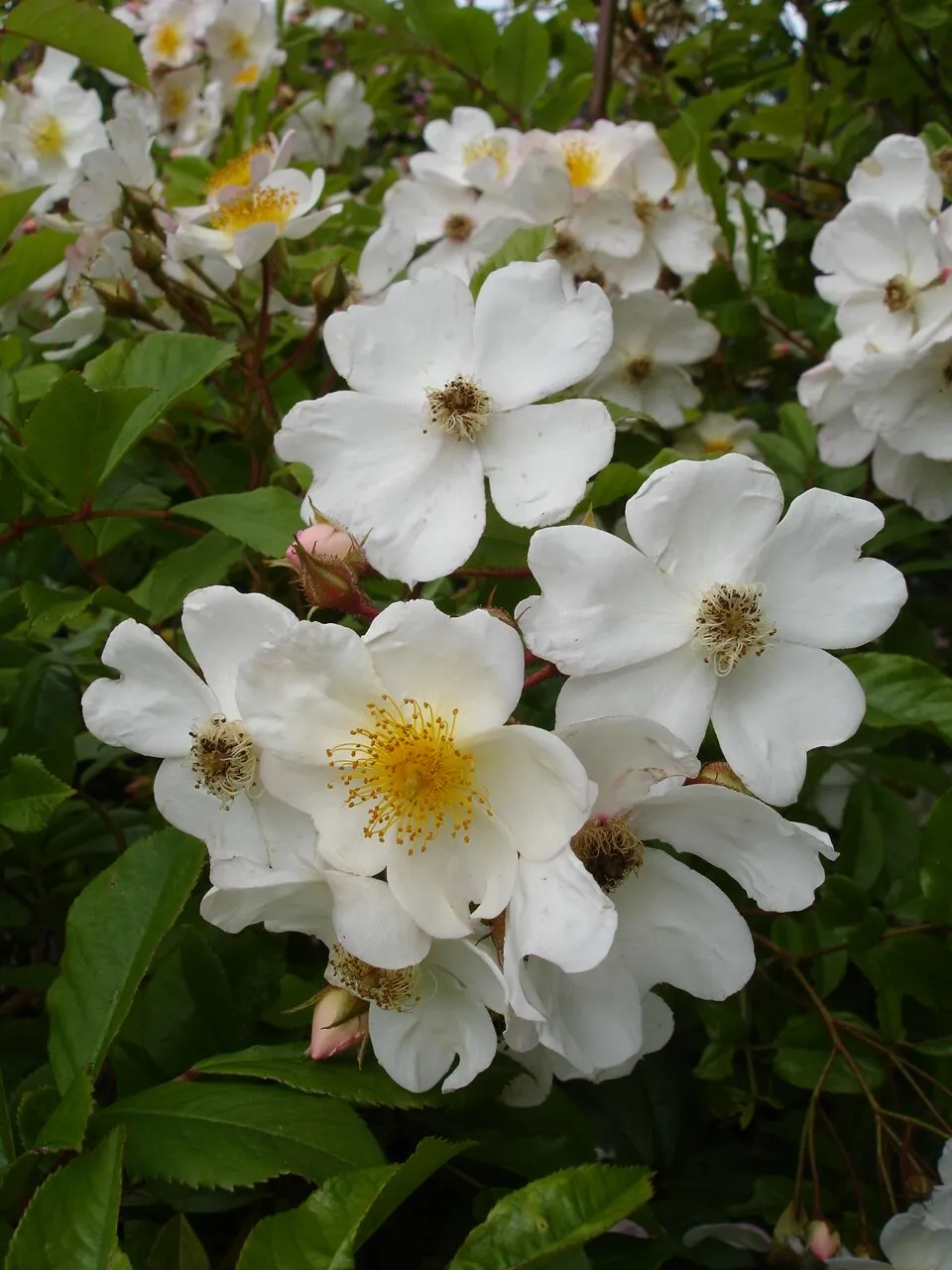
The Grandiflora Rose, scientifically known as Rosa grandiflora, represents a distinct and celebrated class of hybrid roses, ingeniously created in 1954 through a cross between the elegant Hybrid Tea and the prolific Floribunda roses. This horticultural innovation aimed to combine the best attributes of both parents, resulting in a vigorous, tall shrub that typically reaches heights greater than traditional Hybrid Teas but offers a more refined silhouette than the bushier Floribundas. Morphologically, Rosa grandiflora is characterized by its long, robust stems, which proudly bear large, often high-centered blooms.
Unlike the solitary flowers of many Hybrid Teas, Grandifloras frequently present their exquisite blossoms in clusters or 'trusses' at the end of each branch, offering a continuous spectacle of color and a delightful fragrance that ranges from subtly sweet to intensely aromatic. These characteristics make them exceptionally popular for cut flower arrangements and as prominent landscape features in gardens. Cultivated globally, Grandiflora roses thrive in a wide range of climates, typically hardy across USDA Zones 4-10, provided they receive ample sunlight and proper care.
Their consistent reblooming habit ensures a prolonged season of beauty, making them a cornerstone in rose cultivation.
Trusted Scientific References
1. Authoritative external sources for Rosa grandiflora
1.1 Wikipedia — Rosa grandiflora
1.2 Kew POWO (Plants of the World Online)
1.3 PubMed — peer-reviewed research
1.4 NCBI Taxonomy Browser
1.5 GBIF — Global Biodiversity
1.6Grandiflora Rose should be interpreted through verified botanical identity, practical care, and responsible safety language. This recovery note adds the missing context needed for a complete profile: match light to the plant's habit, use well-drained soil, water according to season, and avoid unsupported medicinal or edible claims. For publishing, the plant can be presented as a source-backed garden plant with clear care guidance, common problem diagnosis, and conservative safety wording.
1.1.Grandiflora Rose — Key Features
- ✓ <strong>Hybrid Vigor</strong> — Combines the robust growth of Floribundas with the elegance of Hybrid Teas.
- ✓ <strong>Large, Clustered Blooms</strong> — Produces substantial flowers often grouped in trusses on strong stems.
- ✓ <strong>Elegant Form</strong> — Classic high-centered rose shape, making them ideal for cut flowers.
- ✓ <strong>Delightful Fragrance</strong> — Many varieties offer a strong, sweet, and captivating aroma.
- ✓ <strong>Continuous Blooming</strong> — Reblooms consistently throughout the growing season, from spring to fall.
- ✓ <strong>Long, Strong Stems</strong> — Excellent for floral arrangements due to their durable and lengthy stems.
- ✓ <strong>Disease Resistance</strong> — Modern Grandiflora varieties are bred for improved resistance to common rose diseases.
- ✓ <strong>Versatile Landscape Use</strong> — Suitable for hedges, borders, specimen plantings, and container gardens.
- ✓ <strong>Cold Hardiness</strong> — Adaptable to a wide range of climates, thriving in USDA Zones 4-10 with proper care.
- ✓ <strong>Ornamental and Medicinal Potential</strong> — Valued for aesthetic beauty and shared therapeutic properties of the Rosa genus.
1.2.Grandiflora Rose — Quick Summary
- ✓ Grandiflora Rose is a hybrid cross of Hybrid Tea and Floribunda, known for large, fragrant blooms in clusters.
- ✓ Primarily ornamental, it shares medicinal properties with other Rosa species, particularly high Vitamin C in rose hips.
- ✓ Rose hips offer immune support, while petals and rose water provide anti-inflammatory and skin-soothing benefits.
- ✓ Cultivated for continuous bloom and elegant form, requiring full sun and well-drained soil.
- ✓ Traditional uses include treating colds, skin irritations, and aiding digestion.
- ✓ Generally safe, but caution advised for allergies, pregnancy, and potential medication interactions.
2.Grandiflora Rose — Scientific Identity
3.Grandiflora Rose — Quick Facts
4.Grandiflora Rose — Appearance & Identification
5.Grandiflora Rose — Native Habitat
6.Grandiflora Rose — Water Requirements
- ✓ Site Selection — Plant Grandiflora Roses in a location receiving at least 6-8 hours of direct full sun daily, with good air circulation to prevent fungal diseases.
- ✓ Soil Preparation — Ensure well-drained, fertile soil with a slightly acidic to neutral pH range of 6.0 to 6.5, amending with compost to improve structure and nutrient content.
- ✓ Planting Technique — Dig a hole twice as wide as the root ball and just as deep; place the rose so the graft union is at or slightly below soil level in colder climates.
- ✓ Watering Regimen — Water deeply and consistently, especially during dry spells, aiming for about 1 inch of water per week, directly at the base to avoid wetting foliage.
- ✓ Fertilization Schedule — Apply a balanced granular rose fertilizer monthly from early spring through late summer, following package directions for optimal bloom and growth.
- ✓ Pruning Practices — Prune in early spring, removing dead, diseased, or weak canes, and cutting healthy canes back by one-third to one-half; deadhead spent blooms throughout the season to encourage continuous flowering.
- ✓ Winter Protection — In USDA Zones 7 and colder, mound mulch around the base of the plant in late fall to protect the graft union from freezing temperatures.
- ✓ Pest and Disease Management — While generally disease-resistant, monitor for common rose pests and diseases, treating with organic or chemical controls as needed.
Reviewed by the Flora Medical Global Botanical Review Panel
Multi-disciplinary editorial group · Botany · Ethnobotany · Herbal-medicine literature
Who reviewed this: This page was checked by the Flora Medical Global Botanical Review Panel — an in-house editorial group of botany graduates, ethnobotany researchers, and horticulture practitioners who collectively maintain our 7,000+ plant encyclopedia. Meet the team.
Our 4-step verification process
1. Taxonomic verification
Scientific names and synonyms cross-checked against Kew POWO, World Flora Online, and The Plant List.
2. Phytochemical & medicinal cross-reference
Active compounds, traditional uses, and reported activities are cross-referenced with PubMed, USDA Dr. Duke's database, and peer-reviewed ethnobotanical literature.
3. Conservation & distribution check
Distribution, ecology, and conservation status confirmed against GBIF occurrence records and the IUCN Red List.
4. Editorial & safety review
Every entry passes an editorial pass for clarity, originality, and safety notices (toxicity, contraindications, dosage caveats) before publication.
Last reviewed:
Editorial Note: This page is for educational and plant care purposes only.
Written by: Flora Medical Global Editorial Team
Reviewed by: Flora Medical Global Botanical Review Panel
Last Updated: June 15, 2026







Grandiflora Rose — Comments & Community Reviews
Rate this plant