
Care Disclaimer: Plant care recommendations are general guidelines based on common growing conditions. Individual results may vary based on your local environment, climate, and care routine. If your plant is toxic, keep it away from children and pets, and consult a veterinarian if accidental ingestion occurs.
1.Helleborus Lividus — Overview
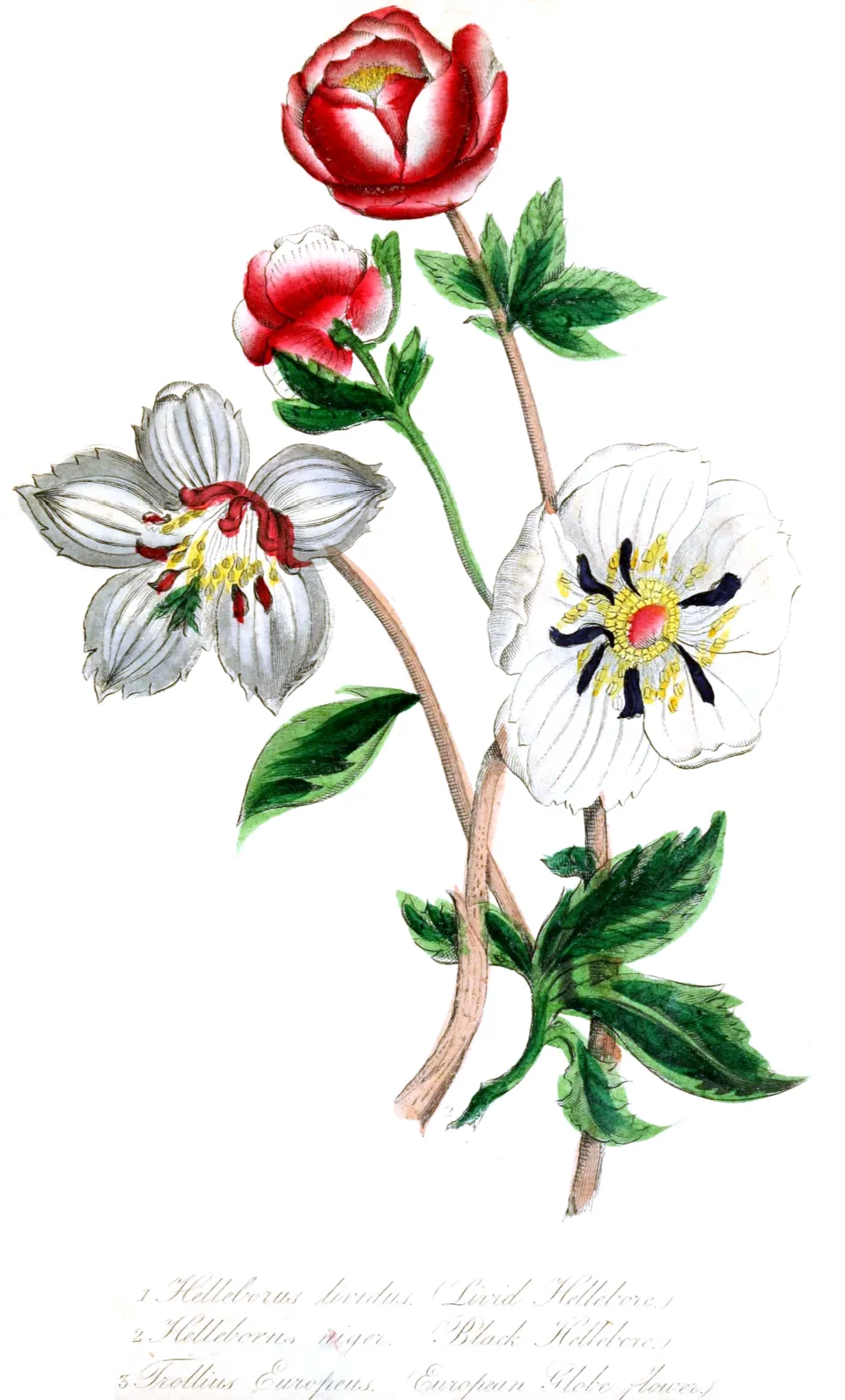
Helleborus lividus, commonly known as the Majorcan hellebore, is a captivating evergreen perennial native exclusively to the Balearic Islands, particularly Majorca. This resilient species typically reaches a height of 30-45 cm (1-1.5 feet) and forms attractive clumps.
Its distinctive foliage consists of three-lobed, leathery leaves that are a glossy dark green, often imbued with a striking purplish tint, especially on the undersides and margins, providing year-round visual interest. The leaves are palmately compound, creating a lush, umbrella-like appearance.
Blooming from late winter to early spring, Helleborus lividus produces charming, outward-facing, saucer-shaped flowers. These delicate blossoms typically range in color from greenish-pink to purplish-pink, adding a subtle splash of color to the late winter garden when little else is in bloom. The plant thrives in its natural Mediterranean habitat, preferring well-drained, humus-rich soil with a neutral to alkaline pH and partial shade, where it is protected from the harshest afternoon sun.
Its taxonomy places it within the Ranunculaceae family, a group known for both ornamental beauty and, in many cases, significant toxicity. Despite its ornamental appeal, it is crucial to recognize the inherent toxicity of all parts of this plant.
Trusted Scientific References
1. Authoritative external sources for Helleborus Lividus
1.1 Wikipedia — Helleborus Lividus
1.2 Kew POWO (Plants of the World Online)
1.3 PubMed — peer-reviewed research
1.4 NCBI Taxonomy Browser
1.5 GBIF — Global Biodiversity
1.6Helleborus Lividus should be interpreted through verified botanical identity, practical care, and responsible safety language. This recovery note adds the missing context needed for a complete profile: match light to the plant's habit, use well-drained soil, water according to season, and avoid unsupported medicinal or edible claims. For publishing, the plant can be presented as a source-backed garden plant with clear care guidance, common problem diagnosis, and conservative safety wording.
1.1.Helleborus Lividus — Key Features
- ✓ <strong>Botanical Name</strong> — Helleborus lividus
- ✓ <strong>Common Name</strong> — Majorcan Hellebore
- ✓ <strong>Family</strong> — Ranunculaceae
- ✓ <strong>Native Region</strong> — Balearic Islands (Majorca)
- ✓ <strong>Growth Habit</strong> — Evergreen perennial, 1-1.5 feet tall
- ✓ <strong>Foliage</strong> — Three-lobed, glossy dark green with purplish tint
- ✓ <strong>Flowers</strong> — Outward-facing, saucer-shaped, greenish-pink to purplish-pink
- ✓ <strong>Bloom Time</strong> — Late winter to early spring
- ✓ <strong>Toxicity</strong> — Highly toxic; contains cardiac glycosides
- ✓ <strong>Medicinal Use</strong> — NONE (only ornamental)
1.2.Helleborus Lividus — Quick Summary
- ✓ Helleborus lividus is a highly toxic ornamental perennial native to the Balearic Islands.
- ✓ All parts contain potent cardiac glycosides and steroidal saponins, making it lethal if ingested.
- ✓ Valued solely for its ornamental beauty, featuring glossy, purplish-tinted leaves and greenish-pink flowers.
- ✓ Thrives in partial shade and well-drained, alkaline soil in Mediterranean climates.
- ✓ Absolutely no safe medicinal uses; historical applications were extremely dangerous and often fatal.
- ✓ Strict handling precautions are necessary to avoid skin irritation and accidental poisoning.
2.Helleborus Lividus — Scientific Identity
3.Helleborus Lividus — Quick Facts
4.Helleborus Lividus — Appearance & Identification
5.Helleborus Lividus — Native Habitat
6.Helleborus Lividus — Water Requirements
- ✓ Climate Preference — Thrives in Mediterranean climates, requiring mild winters and protection from severe frosts, ideally suited for USDA hardiness zones 7-9.
- ✓ Light Requirements — Prefers partial to full shade, especially during the hottest parts of the day; direct sun exposure can scorch its distinctive foliage.
- ✓ Soil Conditions — Requires well-drained, humus-rich soil with a neutral to alkaline pH (7.0-8.0), accurately mimicking its natural limestone-rich habitats.
- ✓ Watering — Needs consistent moisture, particularly during dry periods, but it is crucial to avoid waterlogging which can lead to detrimental root rot; established plants demonstrate moderate drought tolerance.
- ✓ Propagation — Primarily propagated by fresh seed, which typically requires a period of cold stratification for successful germination, or by careful division of established clumps in early spring or autumn.
- ✓ Fertilization — Benefits from an annual application of a balanced slow-release fertilizer or well-rotted compost in early spring to support vigorous growth and flowering.
- ✓ Pruning — Generally low-maintenance, requiring only the removal of old, damaged, or unsightly leaves and spent flower stalks to maintain its attractive appearance and prevent disease.
- ✓ Pest and Disease Management — Relatively resistant to most pests and diseases, though occasional issues like aphids, leaf spot, or leaf miner may occur, which can be managed with appropriate organic or chemical treatments.
Reviewed by the Flora Medical Global Botanical Review Panel
Multi-disciplinary editorial group · Botany · Ethnobotany · Herbal-medicine literature
Who reviewed this: This page was checked by the Flora Medical Global Botanical Review Panel — an in-house editorial group of botany graduates, ethnobotany researchers, and horticulture practitioners who collectively maintain our 7,000+ plant encyclopedia. Meet the team.
Our 4-step verification process
1. Taxonomic verification
Scientific names and synonyms cross-checked against Kew POWO, World Flora Online, and The Plant List.
2. Phytochemical & medicinal cross-reference
Active compounds, traditional uses, and reported activities are cross-referenced with PubMed, USDA Dr. Duke's database, and peer-reviewed ethnobotanical literature.
3. Conservation & distribution check
Distribution, ecology, and conservation status confirmed against GBIF occurrence records and the IUCN Red List.
4. Editorial & safety review
Every entry passes an editorial pass for clarity, originality, and safety notices (toxicity, contraindications, dosage caveats) before publication.
Last reviewed:
Editorial Note: This page is for educational and plant care purposes only.
Written by: Flora Medical Global Editorial Team
Reviewed by: Flora Medical Global Botanical Review Panel
Last Updated: June 15, 2026







Helleborus Lividus — Comments & Community Reviews
Rate this plant