

Care Disclaimer: Plant care recommendations are general guidelines based on common growing conditions. Individual results may vary based on your local environment, climate, and care routine. If your plant is toxic, keep it away from children and pets, and consult a veterinarian if accidental ingestion occurs.
1.Heptacodium Miconioides — Overview
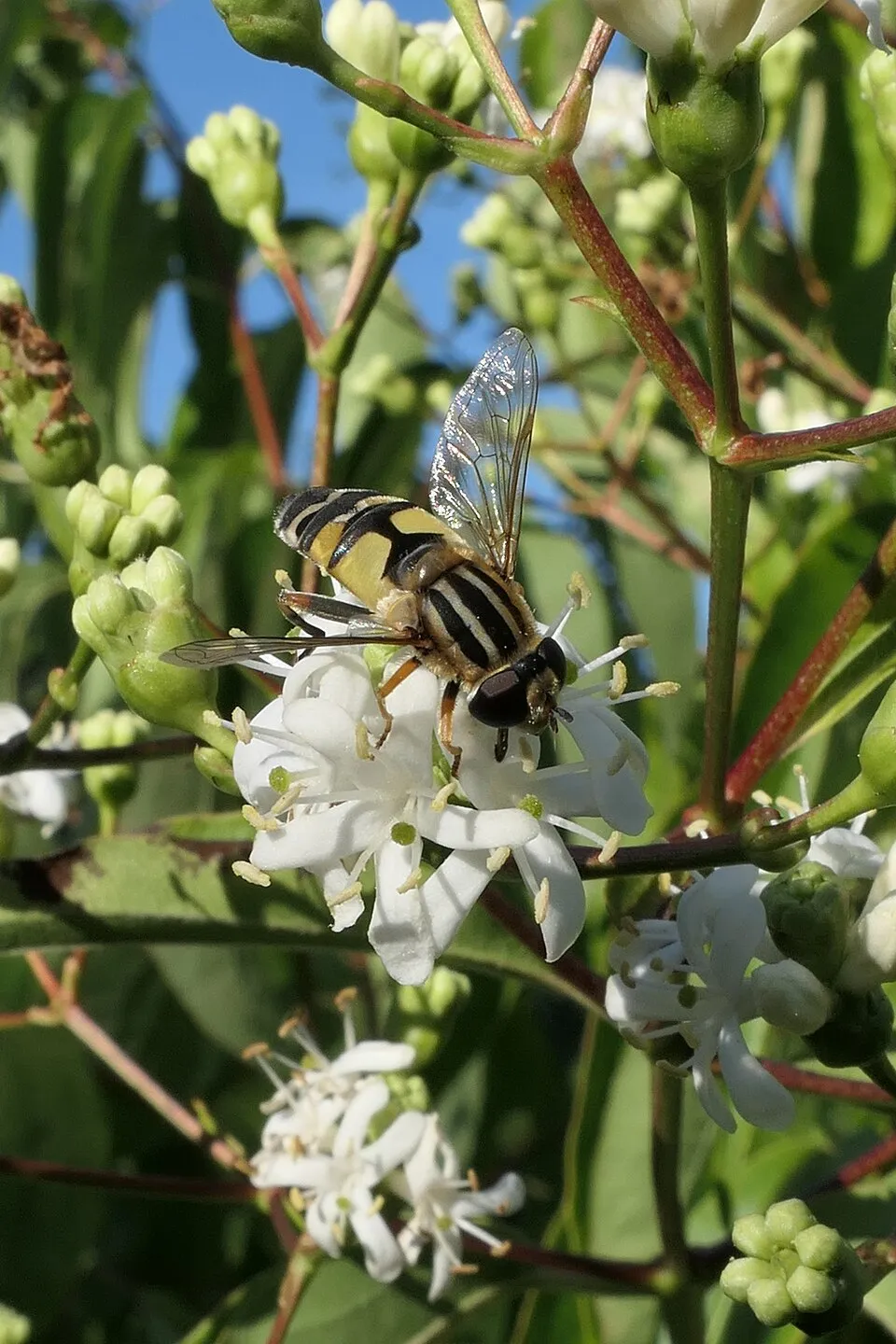
Heptacodium miconioides, commonly known as the Seven-Son Flower or Seven-Son Tree, is an exceptional deciduous shrub or small tree belonging to the Caprifoliaceae family. Native to the mountainous regions of central China, it flourishes as an understory plant or along forest edges. This captivating species typically grows to a height of 15 to 20 feet (4.5 to 6 meters) with a comparable spread, developing an elegant, upright, and vase-shaped growth habit that becomes more open and graceful with maturity. Its foliage consists of attractive ovate to elliptic, glossy green leaves, often displaying deeply impressed veins and a distinctive twisting tip, which generally remain pristine throughout the growing season, occasionally acquiring a subtle purplish tint in autumn.
The most striking feature of Heptacodium miconioides is its remarkable late-season bloom, producing abundant clusters of small, highly fragrant, creamy-white flowers from late summer through early autumn. Each flower cluster is uniquely subtended by five to seven persistent green calyces, giving rise to its 'seven-son' moniker. As the delicate flowers fade, these calyces undergo a stunning transformation, expanding and developing into a vibrant, rosy-purple color, creating a spectacular and prolonged display that extends well into fall. This vibrant coloration provides crucial late-season nectar for a variety of pollinators.
Adding significant winter interest, the tree's bark exfoliates in long, parchment-like strips, revealing rich brown and tan layers beneath. Hardy and adaptable across USDA Zones 5-9, Heptacodium miconioides is a superb choice for a specimen plant, a large shrub border, or an informal screen, offering year-round aesthetic appeal and ecological value.
Trusted Scientific References
1. Authoritative external sources for Heptacodium miconioides
1.1 Wikipedia — Heptacodium miconioides
1.2 Kew POWO (Plants of the World Online)
1.3 PubMed — peer-reviewed research
1.4 NCBI Taxonomy Browser
1.5 GBIF — Global Biodiversity
1.1.Heptacodium Miconioides — Key Features
- ✓ <strong>Late Summer/Fall Blooms</strong> — Abundant clusters of fragrant, creamy-white flowers.
- ✓ <strong>Persistent Rosy</strong> — Purple Calyces — Provide vibrant fall color after flowers fade.
- ✓ <strong>Exfoliating Bark</strong> — Adds significant winter interest with peeling, multi-toned strips.
- ✓ <strong>Pollinator Magnet</strong> — Crucial late-season nectar source for bees, butterflies, and hummingbirds.
- ✓ <strong>Ornamental Value</strong> — Highly aesthetic plant for specimen, border, or hedge use.
- ✓ <strong>Adaptable and Hardy</strong> — Thrives in USDA Zones 5-9 with minimal care.
- ✓ <strong>Unique Growth Habit</strong> — Upright, vase-shaped form maturing gracefully.
- ✓ <strong>Glossy Green Foliage</strong> — Ovate to elliptic leaves, often with deep veins.
- ✓ <strong>Low Maintenance</strong> — Easy to grow with little special pruning or fertilization required.
- ✓ <strong>Native to China</strong> — Discovered in mountainous regions, now widely cultivated.
1.2.Heptacodium Miconioides — Quick Summary
- ✓ Unique ornamental deciduous shrub/small tree native to China.
- ✓ Features fragrant late-season white flowers followed by vibrant rosy-purple calyces.
- ✓ Offers striking exfoliating bark and provides crucial late-season pollinator support.
- ✓ No recognized traditional or scientific medicinal benefits for human health.
- ✓ Contains general phenolic compounds, flavonoids, and essential oils; specific medicinal activity unproven.
- ✓ Easy to cultivate in full sun to partial shade, hardy in zones 5-9.
2.Heptacodium Miconioides — Scientific Identity
3.Heptacodium Miconioides — Quick Facts
4.Heptacodium Miconioides — Appearance & Identification
5.Heptacodium Miconioides — Native Habitat
6.Heptacodium Miconioides — Water Requirements
- ✓ Site Selection — Plant Heptacodium miconioides in a location receiving full sun to partial shade for optimal growth and flowering; ensure good air circulation.
- ✓ Soil Requirements — Thrives in well-draining soil enriched with organic matter; tolerates a range of soil types but prefers slightly acidic to neutral pH.
- ✓ Planting Time — Best planted in spring or fall to allow establishment before extreme temperatures, ensuring the root ball is at the soil level.
- ✓ Watering — Requires average moisture, especially during establishment and prolonged dry periods; avoid waterlogging but ensure consistent hydration.
- ✓ Hardiness — Hardy in USDA Zones 5 through 9, capable of withstanding significant winter cold and summer heat once established.
- ✓ Pruning — Generally requires minimal pruning; if shaping or size reduction is desired, prune in late winter or early spring before new growth emerges, as flowers bloom on new wood.
- ✓ Fertilization — Not strictly necessary for established plants; if more vigorous growth is desired, apply a balanced granular fertilizer formulated for woody plants in early spring.
- ✓ Spacing — Provide ample space for its mature size, which can reach 15-20 feet (4.5-6 meters) in height and 6-10 feet (1.8-3 meters) in spread.
Reviewed by the Flora Medical Global Botanical Review Panel
Multi-disciplinary editorial group · Botany · Ethnobotany · Herbal-medicine literature
Who reviewed this: This page was checked by the Flora Medical Global Botanical Review Panel — an in-house editorial group of botany graduates, ethnobotany researchers, and horticulture practitioners who collectively maintain our 7,000+ plant encyclopedia. Meet the team.
Our 4-step verification process
1. Taxonomic verification
Scientific names and synonyms cross-checked against Kew POWO, World Flora Online, and The Plant List.
2. Phytochemical & medicinal cross-reference
Active compounds, traditional uses, and reported activities are cross-referenced with PubMed, USDA Dr. Duke's database, and peer-reviewed ethnobotanical literature.
3. Conservation & distribution check
Distribution, ecology, and conservation status confirmed against GBIF occurrence records and the IUCN Red List.
4. Editorial & safety review
Every entry passes an editorial pass for clarity, originality, and safety notices (toxicity, contraindications, dosage caveats) before publication.
Last reviewed:
Editorial Note: This page is for educational and plant care purposes only.
Written by: Flora Medical Global Editorial Team
Reviewed by: Flora Medical Global Botanical Review Panel
Last Updated: June 15, 2026







Heptacodium Miconioides — Comments & Community Reviews
Rate this plant