

Care Disclaimer: Plant care recommendations are general guidelines based on common growing conditions. Individual results may vary based on your local environment, climate, and care routine. If your plant is toxic, keep it away from children and pets, and consult a veterinarian if accidental ingestion occurs.
1.Itea Virginica — Overview
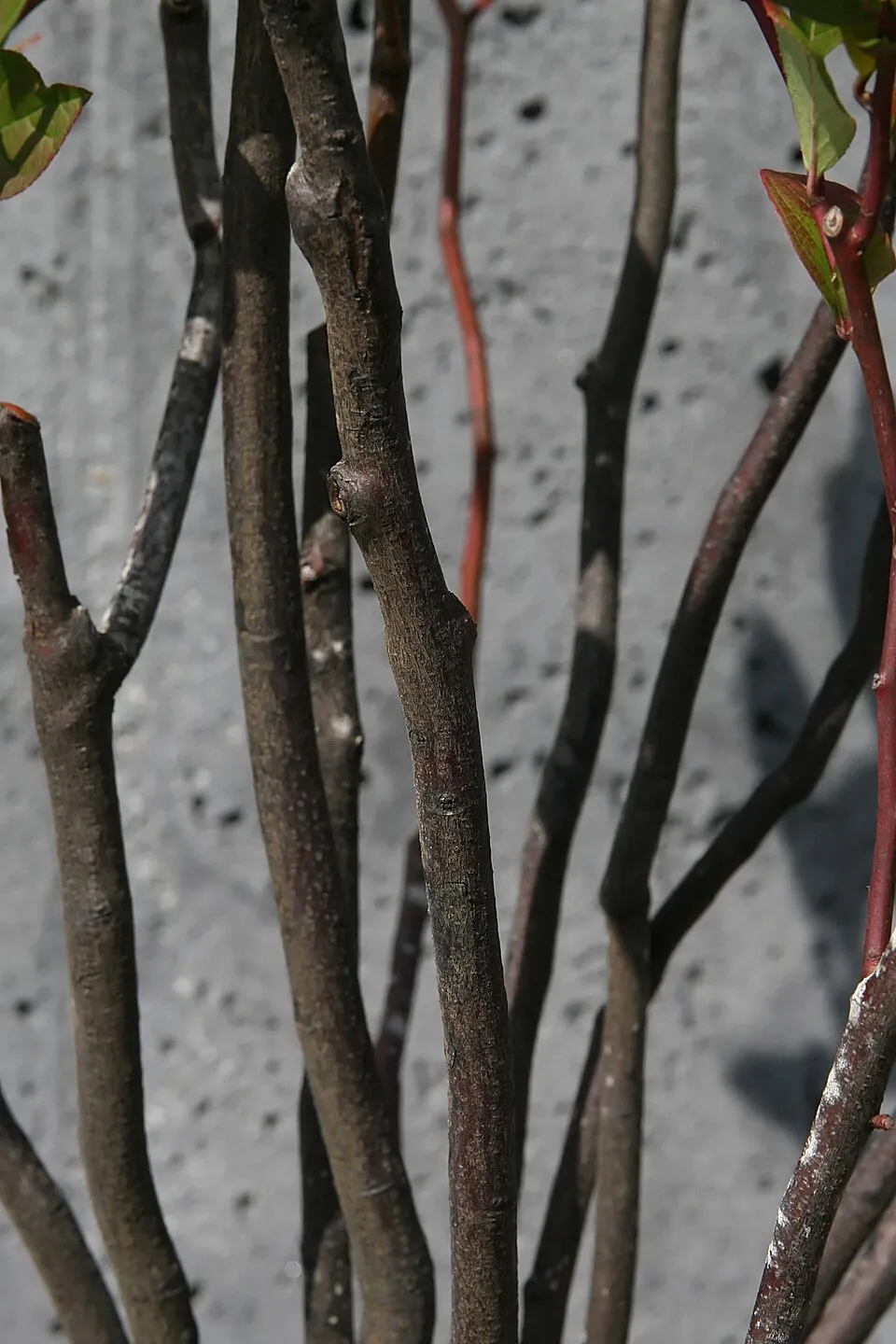
Itea virginica, commonly recognized as Virginia sweetspire or simply sweetspire, is an elegant deciduous shrub indigenous to the southeastern United States. This highly adaptable plant is characterized by its graceful, arching branches and a spectacular display of fragrant, white, bottlebrush-like flower spikes that emerge in late spring to early summer. The individual flowers are small, yet densely arranged in racemes, creating a visually striking presentation that actively attracts a variety of pollinators, including bees and butterflies, contributing to local biodiversity.
Its foliage typically consists of ovate to oblong leaves with finely toothed margins, which undergo a dramatic transformation in autumn, turning vibrant shades of deep burgundy, crimson, or fiery orange-red, offering significant seasonal ornamental value. Sweetspire demonstrates remarkable resilience, thriving across a broad spectrum of soil conditions; it particularly favors moist, acidic soils but can tolerate varying pH levels and moisture regimes, including periods of inundation. Naturally, it is found in diverse wetland habitats such as wet woods, swamps, along stream banks, and in low-lying areas.
The shrub typically achieves a height and spread of 3 to 6 feet, developing a dense, spreading habit that can be effectively managed through strategic pruning. Its hardiness, attractive floral displays, and brilliant fall coloration make it an invaluable asset in landscape design, especially suitable for challenging moist or boggy environments where many other shrubs struggle. Furthermore, it is an excellent selection for naturalistic plantings and plays a crucial role in erosion control along waterways.
Trusted Scientific References
1. Authoritative external sources for Itea virginica
1.1 Wikipedia — Itea virginica
1.2 Kew POWO (Plants of the World Online)
1.3 PubMed — peer-reviewed research
1.4 NCBI Taxonomy Browser
1.5 GBIF — Global Biodiversity
1.6Itea Virginica should be interpreted through verified botanical identity, practical care, and responsible safety language. This recovery note adds the missing context needed for a complete profile: match light to the plant's habit, use well-drained soil, water according to season, and avoid unsupported medicinal or edible claims. For publishing, the plant can be presented as a source-backed garden plant with clear care guidance, common problem diagnosis, and conservative safety wording.
1.1.Itea Virginica — Key Features
- ✓ <strong>Native to Southeastern United States</strong> — Indigenous plant with ecological significance.
- ✓ <strong>Deciduous Shrub</strong> — Offers seasonal interest with leaf changes.
- ✓ <strong>Fragrant White Flowers</strong> — Bottlebrush-like spikes appear in late spring to early summer.
- ✓ <strong>Vibrant Fall Foliage</strong> — Leaves turn deep burgundy, crimson, or orange-red.
- ✓ <strong>Adaptable to Varied Soils</strong> — Tolerates moist, acidic, and even boggy conditions.
- ✓ <strong>Attracts Pollinators</strong> — Flowers are a draw for bees and butterflies.
- ✓ <strong>Deer Resistant</strong> — Generally not browsed by deer, making it suitable for many landscapes.
- ✓ <strong>Low Maintenance</strong> — Requires minimal care once established.
- ✓ <strong>Erosion Control</strong> — Effective for stabilizing soil along waterways.
- ✓ <strong>Ornamental Value</strong> — Highly prized for landscaping due to its beauty and hardiness.
1.2.Itea Virginica — Quick Summary
- ✓ Virginia sweetspire is a native deciduous shrub known for fragrant white flowers and vibrant fall foliage.
- ✓ Contains tannins, flavonoids, and phenolic acids, contributing to potential astringent and antioxidant properties.
- ✓ Primarily an ornamental plant; traditional medicinal uses are largely unresearched and hypothetical.
- ✓ Thrives in moist, acidic soils but is adaptable to various conditions, including wet environments.
- ✓ Caution advised for internal use due to lack of extensive safety research and potential side effects.
- ✓ Valued for its resilience, beauty, and ecological role in attracting pollinators.
2.Itea Virginica — Scientific Identity
3.Itea Virginica — Quick Facts
4.Itea Virginica — Appearance & Identification
5.Itea Virginica — Native Habitat
6.Itea Virginica — Water Requirements
- ✓ Site Selection — Choose a location with full sun to full shade; partial shade with morning sun is ideal for best flowering and fall color.
- ✓ Soil Preparation — Prefers moist, acidic, humus-rich soils but is highly adaptable to various soil types, including clay, and can tolerate neutral to slightly alkaline pH.
- ✓ Planting — Plant in spring or fall, digging a hole twice as wide as the root ball and ensuring the top of the root ball is at ground level.
- ✓ Watering — Requires consistently moist soil, especially when young; established plants tolerate average moisture and short periods of drought.
- ✓ Fertilization — Apply a balanced granular fertilizer for trees and shrubs in spring; additional feeding is usually unnecessary.
- ✓ Pruning — Prune in early summer after flowering to maintain shape and remove dead or damaged wood, as it flowers on old wood.
- ✓ Pest and Disease Control — Notably resistant to most pests and diseases; chlorosis may occur in highly alkaline soils.
- ✓ Managing Spread — Can spread by suckers; prune unwanted shoots to control spread or allow it to naturalize in appropriate areas.
Reviewed by the Flora Medical Global Botanical Review Panel
Multi-disciplinary editorial group · Botany · Ethnobotany · Herbal-medicine literature
Who reviewed this: This page was checked by the Flora Medical Global Botanical Review Panel — an in-house editorial group of botany graduates, ethnobotany researchers, and horticulture practitioners who collectively maintain our 7,000+ plant encyclopedia. Meet the team.
Our 4-step verification process
1. Taxonomic verification
Scientific names and synonyms cross-checked against Kew POWO, World Flora Online, and The Plant List.
2. Phytochemical & medicinal cross-reference
Active compounds, traditional uses, and reported activities are cross-referenced with PubMed, USDA Dr. Duke's database, and peer-reviewed ethnobotanical literature.
3. Conservation & distribution check
Distribution, ecology, and conservation status confirmed against GBIF occurrence records and the IUCN Red List.
4. Editorial & safety review
Every entry passes an editorial pass for clarity, originality, and safety notices (toxicity, contraindications, dosage caveats) before publication.
Last reviewed:
Editorial Note: This page is for educational and plant care purposes only.
Written by: Flora Medical Global Editorial Team
Reviewed by: Flora Medical Global Botanical Review Panel
Last Updated: June 15, 2026







Itea Virginica — Comments & Community Reviews
Rate this plant