

Care Disclaimer: Plant care recommendations are general guidelines based on common growing conditions. Individual results may vary based on your local environment, climate, and care routine. If your plant is toxic, keep it away from children and pets, and consult a veterinarian if accidental ingestion occurs.
1.Japanese Blood Grass — Overview
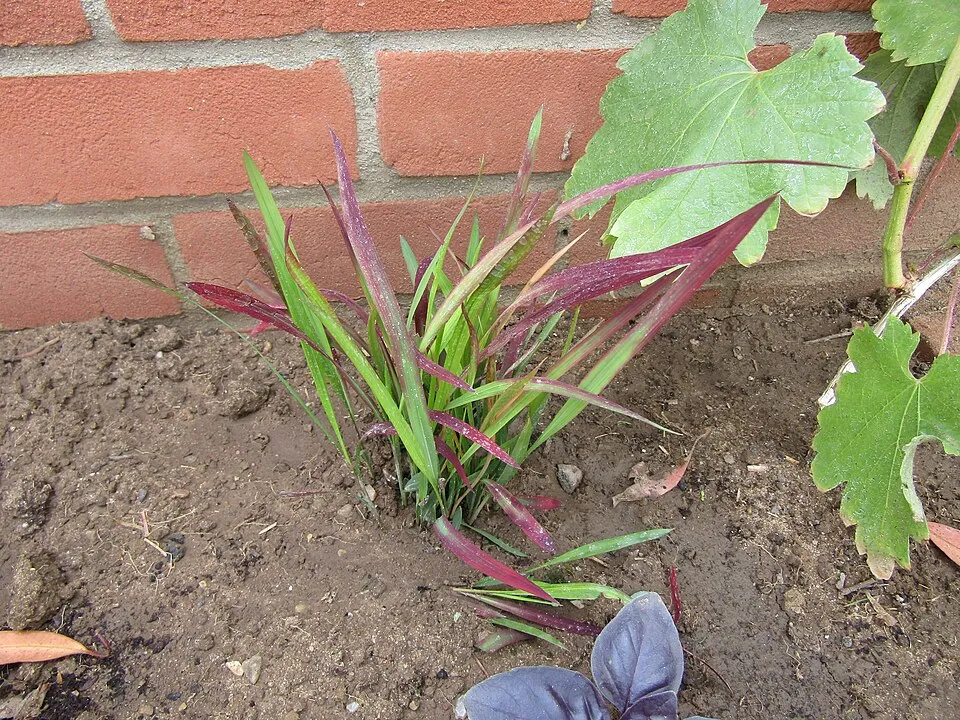
Japanese Blood Grass, botanically known as Imperata cylindrica 'Rubra', is a captivating ornamental perennial belonging to the Poaceae family. This cultivar is renowned for its striking foliage, which transitions from a fresh green in spring to a vivid, translucent ruby red at the tips, intensifying to a deep crimson by late summer and autumn. It forms dense, upright clumps, typically reaching a height of 30-60 cm (1-2 feet), though under ideal conditions it can grow taller.
The slender, blade-like leaves create a dramatic visual impact, providing a fiery splash of color and unique texture in garden beds, borders, and containers. While the species Imperata cylindrica is globally recognized as an aggressive invasive weed, particularly in warmer climates, the 'Rubra' cultivar is generally considered less vigorous and often sterile, which significantly reduces its invasive potential. However, gardeners should remain vigilant as it can occasionally revert to the more aggressive green form.
Native to Southeast Asia, this grass thrives in a variety of soil conditions and sunlight exposures, making it a versatile yet controversial choice in landscaping due to its species' invasive legacy.
Trusted Scientific References
1. Authoritative external sources for Imperata cylindrica Red
1.1 Wikipedia — Imperata cylindrica Red
1.2 Kew POWO (Plants of the World Online)
1.3 PubMed — peer-reviewed research
1.4 NCBI Taxonomy Browser
1.5 GBIF — Global Biodiversity
1.6Japanese Blood Grass should be interpreted through verified botanical identity, practical care, and responsible safety language. This recovery note adds the missing context needed for a complete profile: match light to the plant's habit, use well-drained soil, water according to season, and avoid unsupported medicinal or edible claims. For publishing, the plant can be presented as a source-backed garden plant with clear care guidance, common problem diagnosis, and conservative safety wording.
1.1.Japanese Blood Grass — Key Features
- ✓ <strong>Striking Red Foliage</strong> — Vibrant, ruby-red leaf tips intensify through the season.
- ✓ <strong>Ornamental Appeal</strong> — Highly valued for its dramatic color and texture in landscaping.
- ✓ <strong>Drought Tolerant</strong> — Once established, it can withstand periods of dry conditions.
- ✓ <strong>Deer Resistant</strong> — Generally unattractive to deer and rabbits, reducing garden damage.
- ✓ <strong>Erosion Control</strong> — The vigorous root system of the species can help stabilize soil on slopes.
- ✓ <strong>Low Maintenance</strong> — Requires minimal care once established, making it suitable for various gardeners.
- ✓ <strong>Container Friendly</strong> — Ideal for container planting to control its spread, especially for the species.
- ✓ <strong>Cold Hardy</strong> — Tolerates USDA zones 5-9, surviving winter in many temperate regions.
- ✓ <strong>Non</strong> — Toxic to Pets — Considered safe for cats and dogs.
- ✓ <strong>Reversion Risk</strong> — 'Rubra' cultivar can occasionally revert to the invasive green form of *Imperata cylindrica*.
1.2.Japanese Blood Grass — Quick Summary
- ✓ Japanese Blood Grass ('Rubra') is a vibrant ornamental grass known for its red foliage.
- ✓ The species *Imperata cylindrica* has traditional medicinal uses, but 'Rubra' is mainly ornamental.
- ✓ Traditional uses include hemostatic, diuretic, and anti-inflammatory properties.
- ✓ Contains compounds like flavonoids, triterpenoids (arundoin, cylindrin), and phenolic acids.
- ✓ While 'Rubra' is less invasive, the species is a major threat; monitor for green reversion.
- ✓ Use of the species for medicinal purposes requires expert guidance due to potential risks and invasiveness.
2.Japanese Blood Grass — Scientific Identity
3.Japanese Blood Grass — Quick Facts
4.Japanese Blood Grass — Appearance & Identification
5.Japanese Blood Grass — Native Habitat
6.Japanese Blood Grass — Water Requirements
- ✓ Sun Exposure — Thrives in full sun (at least six hours daily) for best foliage coloration; tolerates partial shade in hotter climates.
- ✓ Soil Requirements — Prefers moist, well-drained soils; adaptable to sandy and coastal conditions, and a wide pH range (6.5-7.5).
- ✓ Watering — Requires moderate watering to keep soil consistently moist, especially during establishment; mature plants are drought-tolerant.
- ✓ Fertilization — Generally not required; excessive nutrients can encourage aggressive growth, especially in the species form.
- ✓ Hardiness Zones — Best suited for USDA hardiness zones 5-9; foliage may remain evergreen in milder climates.
- ✓ Pruning — Cut back dead foliage in early spring before new growth emerges; leave standing through winter for visual interest.
- ✓ Propagation — Best propagated by division of rhizomes in spring or fall; named cultivars do not reliably produce viable seeds.
- ✓ Container Growing — Effective method to control spread and prevent invasiveness, especially for the 'Rubra' cultivar.
Reviewed by the Flora Medical Global Botanical Review Panel
Multi-disciplinary editorial group · Botany · Ethnobotany · Herbal-medicine literature
Who reviewed this: This page was checked by the Flora Medical Global Botanical Review Panel — an in-house editorial group of botany graduates, ethnobotany researchers, and horticulture practitioners who collectively maintain our 7,000+ plant encyclopedia. Meet the team.
Our 4-step verification process
1. Taxonomic verification
Scientific names and synonyms cross-checked against Kew POWO, World Flora Online, and The Plant List.
2. Phytochemical & medicinal cross-reference
Active compounds, traditional uses, and reported activities are cross-referenced with PubMed, USDA Dr. Duke's database, and peer-reviewed ethnobotanical literature.
3. Conservation & distribution check
Distribution, ecology, and conservation status confirmed against GBIF occurrence records and the IUCN Red List.
4. Editorial & safety review
Every entry passes an editorial pass for clarity, originality, and safety notices (toxicity, contraindications, dosage caveats) before publication.
Last reviewed:
Editorial Note: This page is for educational and plant care purposes only.
Written by: Flora Medical Global Editorial Team
Reviewed by: Flora Medical Global Botanical Review Panel
Last Updated: June 15, 2026







Japanese Blood Grass — Comments & Community Reviews
Rate this plant