


Care Disclaimer: Plant care recommendations are general guidelines based on common growing conditions. Individual results may vary based on your local environment, climate, and care routine. If your plant is toxic, keep it away from children and pets, and consult a veterinarian if accidental ingestion occurs.
1.Lantana Camara — Overview
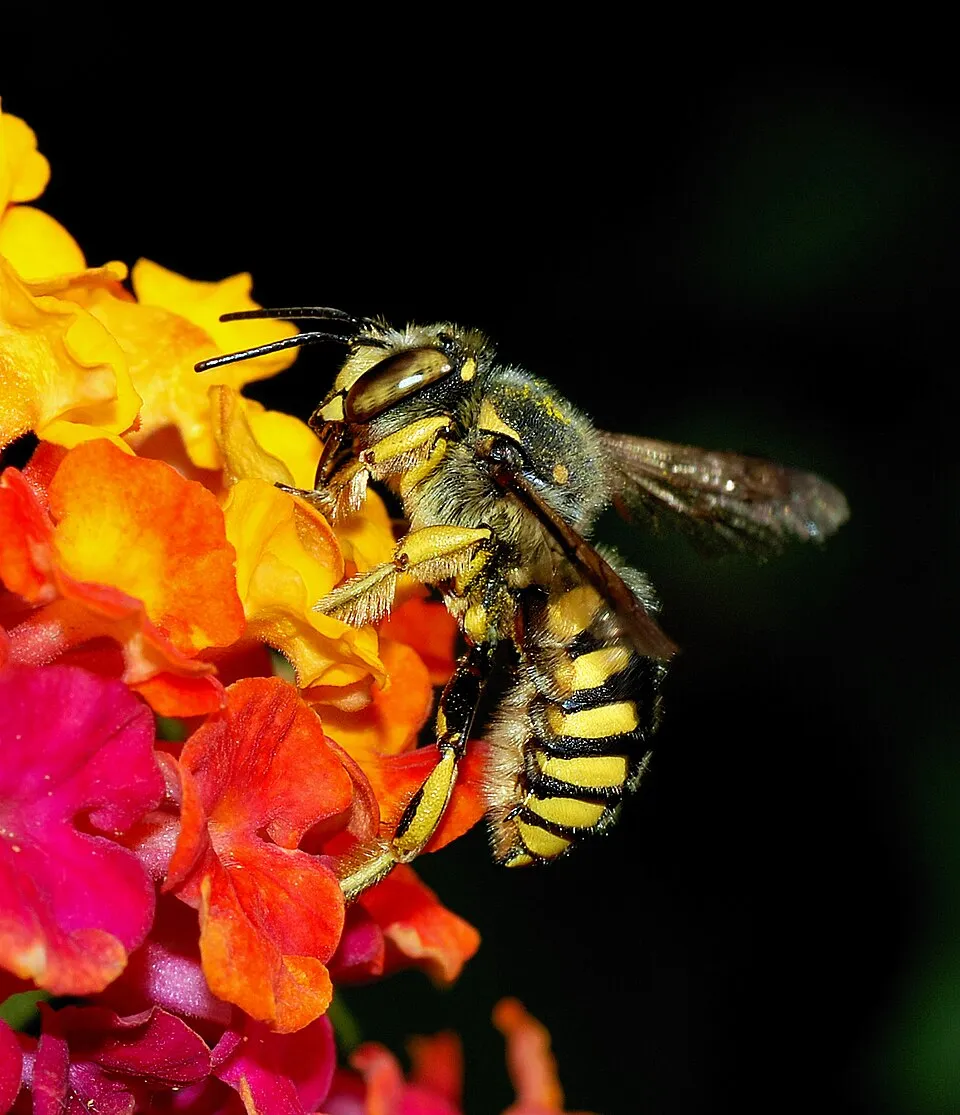
Lantana camara, commonly known as Spanish flag, wild sage, or red-white-and-blue, is a robust and often invasive evergreen shrub belonging to the Verbenaceae family. Native to the tropical Americas and West Africa, it has become widely naturalized across warm-temperate and tropical regions globally, frequently establishing itself as a significant weed in both agricultural and natural ecosystems. This plant is celebrated for its striking, multi-colored floral clusters and vigorous growth, making it a popular ornamental in warmer climates. The inflorescences are typically cymose, compact heads composed of numerous small, tubular flowers that exhibit a unique color transformation as they mature.
Within a single flower head, one can frequently observe a spectrum of colors, including yellow, orange, red, pink, purple, and white, creating a vivid display that attracts a diverse array of pollinators such as butterflies and bees. The leaves are arranged oppositely, are simple, and range from ovate to elliptic in shape, featuring serrated margins and a rough, somewhat hairy texture. When bruised, they release a distinct, pungent aroma, a characteristic that serves as a deterrent to some herbivores and is also indicative of its rich chemical composition, which contributes to its traditional medicinal applications. The plant produces small, drupaceous fruits that mature into dark purple to black berries, which are readily dispersed by birds, contributing significantly to its widespread propagation.
Lantana camara demonstrates remarkable ecological adaptability, thriving in a wide range of soil conditions, from nutrient-poor sandy soils to compacted clays, and exhibits considerable drought tolerance once established. Despite its recognized invasive tendencies in many parts of the world, leading to biodiversity loss and habitat disruption, its ornamental appeal and historical medicinal uses continue to be acknowledged. The stems are typically woody and highly branched, often equipped with short, sharp prickles.
Trusted Scientific References
1. Authoritative external sources for Lantana camara
1.1 Wikipedia — Lantana camara
1.2 Kew POWO (Plants of the World Online)
1.3 PubMed — peer-reviewed research
1.4 NCBI Taxonomy Browser
1.5 GBIF — Global Biodiversity
1.1.Lantana Camara — Key Features
- ✓ <strong>Vibrant, Multi</strong> — colored Flowers — Blooms in clusters of yellow, orange, red, pink, and purple.
- ✓ <strong>Evergreen Shrub</strong> — Perennial in frost-free zones, often grown as an annual elsewhere.
- ✓ <strong>Pungent Aromatic Leaves</strong> — Emit a distinct smell when bruised, deterring some herbivores.
- ✓ <strong>Drupaceous Berries</strong> — Small, dark purple to black fruits dispersed by birds.
- ✓ <strong>Invasive Species</strong> — Recognized as a noxious weed in many tropical and subtropical regions.
- ✓ <strong>Drought Tolerant</strong> — Once established, it requires minimal watering.
- ✓ <strong>Attracts Pollinators</strong> — A favorite for butterflies, bees, and hummingbirds.
- ✓ <strong>Thorny Stems</strong> — Woody stems often bear short, sharp prickles.
- ✓ <strong>Adaptable to Poor Soils</strong> — Can grow in a wide range of soil conditions.
- ✓ <strong>Traditional Medicinal Plant</strong> — Used in various folk medicine systems for diverse ailments.
1.2.Lantana Camara — Quick Summary
- ✓ Invasive yet Ornamental Shrub — Known for vibrant, multi-colored flowers and aggressive growth.
- ✓ Traditional Medicinal Uses — Used for anti-inflammatory, antimicrobial, and antipyretic purposes.
- ✓ Contains Toxic Compounds — Notably lantadenes, making all parts, especially unripe berries, poisonous.
- ✓ Attracts Pollinators — Flowers are a magnet for butterflies, bees, and hummingbirds.
- ✓ Highly Adaptable — Thrives in diverse soil conditions and is drought-tolerant once established.
- ✓ Environmental Concern — Can outcompete native flora and reduce biodiversity in natural ecosystems.
2.Lantana Camara — Scientific Identity
3.Lantana Camara — Quick Facts
4.Lantana Camara — Appearance & Identification
5.Lantana Camara — Native Habitat
6.Lantana Camara — Water Requirements
- ✓ Site Selection — Choose a location with full sun exposure, receiving at least 6-8 hours of direct sunlight daily.
- ✓ Soil Requirements — Prefers rich, well-draining soil; tolerates various soil types but good drainage is crucial.
- ✓ Planting Time — Plant after all danger of frost has passed and soil temperatures have warmed sufficiently.
- ✓ Watering — Keep soil consistently moist until established; then, it becomes drought-tolerant, requiring watering when the top 2 inches of soil are dry.
- ✓ Fertilization — Apply a balanced granular fertilizer at planting; for container plants, use a water-soluble fertilizer monthly.
- ✓ Pruning — In early spring, prune back by up to one-third to encourage new growth and remove dead or diseased wood.
- ✓ Deadheading — Remove spent flowers to prevent seed formation and promote continuous blooming, especially in invasive varieties.
- ✓ Pest and Disease Management — Generally resistant, but ensure good air circulation to prevent powdery mildew.
Reviewed by the Flora Medical Global Botanical Review Panel
Multi-disciplinary editorial group · Botany · Ethnobotany · Herbal-medicine literature
Who reviewed this: This page was checked by the Flora Medical Global Botanical Review Panel — an in-house editorial group of botany graduates, ethnobotany researchers, and horticulture practitioners who collectively maintain our 7,000+ plant encyclopedia. Meet the team.
Our 4-step verification process
1. Taxonomic verification
Scientific names and synonyms cross-checked against Kew POWO, World Flora Online, and The Plant List.
2. Phytochemical & medicinal cross-reference
Active compounds, traditional uses, and reported activities are cross-referenced with PubMed, USDA Dr. Duke's database, and peer-reviewed ethnobotanical literature.
3. Conservation & distribution check
Distribution, ecology, and conservation status confirmed against GBIF occurrence records and the IUCN Red List.
4. Editorial & safety review
Every entry passes an editorial pass for clarity, originality, and safety notices (toxicity, contraindications, dosage caveats) before publication.
Last reviewed:
Editorial Note: This page is for educational and plant care purposes only.
Written by: Flora Medical Global Editorial Team
Reviewed by: Flora Medical Global Botanical Review Panel
Last Updated: June 15, 2026







Lantana Camara — Comments & Community Reviews
Rate this plant