


Care Disclaimer: Plant care recommendations are general guidelines based on common growing conditions. Individual results may vary based on your local environment, climate, and care routine. If your plant is toxic, keep it away from children and pets, and consult a veterinarian if accidental ingestion occurs.
1.Lilac Common — Overview
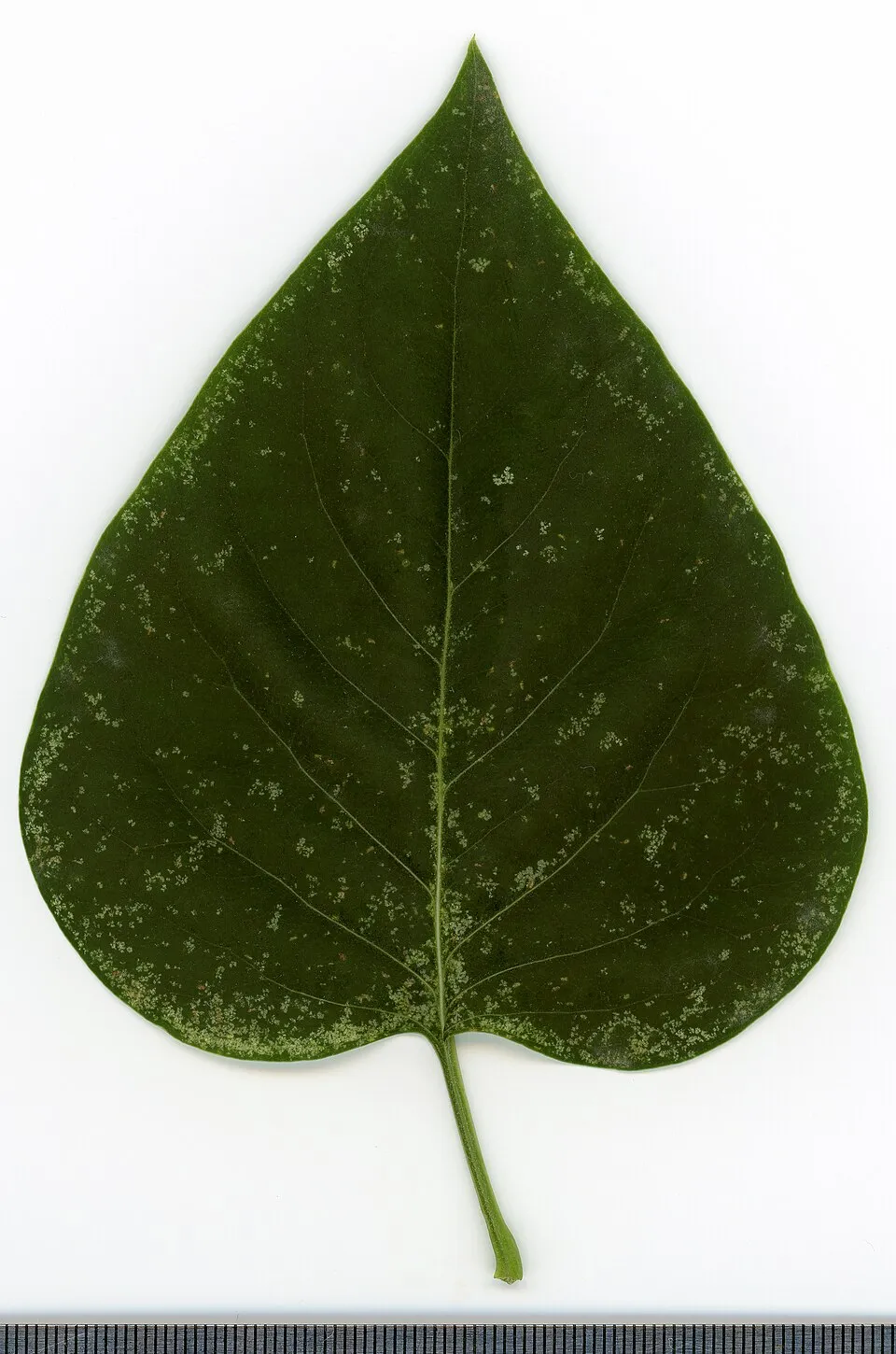
Common Lilac, scientifically known as Syringa vulgaris, is a beloved deciduous shrub or small tree belonging to the Oleaceae family, which also includes olives and ash trees. Native to the Balkan Peninsula in Southeast Europe, it has been widely naturalized and cultivated globally for its ornamental value and captivating fragrance. The plant typically grows to a height of 8 to 15 feet (2.4 to 4.5 meters) with a similar spread, though some varieties can reach up to 30 feet.
Its growth habit is often multi-stemmed with an upright, spreading form. The leaves are simple, opposite, heart-shaped to ovate, and a vibrant green, providing a lush backdrop throughout the spring and summer before typically turning yellow in autumn.
The most distinctive feature of Syringa vulgaris is its spectacular floral display. In mid to late spring, it produces large, dense panicles of small, tubular flowers, typically 4 to 8 inches (10 to 20 cm) long. While the classic color is a rich purple or lavender, cultivars offer a wide spectrum, including white, pink, magenta, and even bicolored blooms.
Each flower consists of four petals fused into a tube, releasing an intensely sweet and pervasive fragrance that is a hallmark of spring. The fruit is a dry, dehiscent capsule, splitting into two valves to release winged seeds. Ecologically, its early spring blooms provide a valuable nectar source for pollinators.
Trusted Scientific References
1. Authoritative external sources for Syringa vulgaris
1.1 Wikipedia — Syringa vulgaris
1.2 Kew POWO (Plants of the World Online)
1.3 PubMed — peer-reviewed research
1.4 NCBI Taxonomy Browser
1.5 GBIF — Global Biodiversity
1.6Lilac Common should be interpreted through verified botanical identity, practical care, and responsible safety language. This recovery note adds the missing context needed for a complete profile: match light to the plant's habit, use well-drained soil, water according to season, and avoid unsupported medicinal or edible claims. For publishing, the plant can be presented as a source-backed garden plant with clear care guidance, common problem diagnosis, and conservative safety wording.
1.1.Lilac Common — Key Features
- ✓ <strong>Highly Fragrant Blooms</strong> — Iconic, sweet-scented flowers are its most celebrated feature.
- ✓ <strong>Deciduous Shrub/Small Tree</strong> — Loses leaves in fall, typical growth 8-15 feet tall.
- ✓ <strong>Spring Flowering</strong> — Abundant panicles of flowers appear in mid to late spring.
- ✓ <strong>Cold Hardy</strong> — Tolerates USDA Zones 3-7/8, making it suitable for northern climates.
- ✓ <strong>Low Maintenance</strong> — Once established, it is relatively easy to care for.
- ✓ <strong>Ornamental Value</strong> — Widely cultivated for landscaping, hedging, and specimen planting.
- ✓ <strong>Traditional Medicinal Use</strong> — Folk remedies for fever, inflammation, and pain.
- ✓ <strong>Rich Phytochemistry</strong> — Contains beneficial compounds like syringin and verbascoside.
- ✓ <strong>Attracts Pollinators</strong> — Nectar source for bees and butterflies.
- ✓ <strong>Versatile Landscape Use</strong> — Suitable for borders, foundation plantings, and screening.
1.2.Lilac Common — Quick Summary
- ✓ Common Lilac (Syringa vulgaris) is a fragrant, spring-blooming ornamental shrub.
- ✓ Traditionally used for antipyretic, anti-inflammatory, and antioxidant benefits.
- ✓ Rich in secoiridoid glycosides, phenylethanoids, and flavonoids.
- ✓ Requires full sun, well-drained, alkaline soil, and post-bloom pruning.
- ✓ Primarily for external or cautious internal use in traditional remedies.
- ✓ Potential for allergic reactions and gastrointestinal upset; avoid in pregnancy.
2.Lilac Common — Scientific Identity
3.Lilac Common — Quick Facts
4.Lilac Common — Appearance & Identification
5.Lilac Common — Native Habitat
6.Lilac Common — Water Requirements
- ✓ Site Selection — Choose a location with full sun (at least 6 hours daily) and good air circulation to promote robust flowering and minimize fungal diseases.
- ✓ Soil Requirements — Prefers well-drained, fertile, neutral to alkaline soil (pH 6.5-7.0). Amend heavy clay soils with organic matter to improve drainage and aeration.
- ✓ Planting — Plant in spring or fall. Dig a hole twice as wide as the root ball and just as deep, ensuring the top of the root ball is level with the soil surface for proper establishment.
- ✓ Watering — Water regularly during the first year to help establish a strong root system. Once mature, Common Lilac is relatively drought-tolerant but benefits from deep watering during prolonged dry spells.
- ✓ Fertilization — Apply a balanced, slow-release granular fertilizer formulated for woody plants in early spring only if soil nutrients are poor or growth is sluggish; lilacs are not heavy feeders.
- ✓ Pruning — Prune immediately after flowering to shape the plant, remove spent blooms (deadheading), and eliminate dead, damaged, or crossing branches to encourage new growth and flowering for the following year.
- ✓ Pest and Disease Management — Monitor for common issues like powdery mildew, bacterial blight, and lilac borer. Ensure good air circulation, proper sanitation, and consider resistant varieties to manage these problems.
- ✓ Propagation — Can be propagated by softwood cuttings taken in early summer, simple layering techniques, or by carefully separating suckers from the base of the parent plant.
Reviewed by the Flora Medical Global Botanical Review Panel
Multi-disciplinary editorial group · Botany · Ethnobotany · Herbal-medicine literature
Who reviewed this: This page was checked by the Flora Medical Global Botanical Review Panel — an in-house editorial group of botany graduates, ethnobotany researchers, and horticulture practitioners who collectively maintain our 7,000+ plant encyclopedia. Meet the team.
Our 4-step verification process
1. Taxonomic verification
Scientific names and synonyms cross-checked against Kew POWO, World Flora Online, and The Plant List.
2. Phytochemical & medicinal cross-reference
Active compounds, traditional uses, and reported activities are cross-referenced with PubMed, USDA Dr. Duke's database, and peer-reviewed ethnobotanical literature.
3. Conservation & distribution check
Distribution, ecology, and conservation status confirmed against GBIF occurrence records and the IUCN Red List.
4. Editorial & safety review
Every entry passes an editorial pass for clarity, originality, and safety notices (toxicity, contraindications, dosage caveats) before publication.
Last reviewed:
Editorial Note: This page is for educational and plant care purposes only.
Written by: Flora Medical Global Editorial Team
Reviewed by: Flora Medical Global Botanical Review Panel
Last Updated: June 15, 2026







Lilac Common — Comments & Community Reviews
Rate this plant