


Care Disclaimer: Plant care recommendations are general guidelines based on common growing conditions. Individual results may vary based on your local environment, climate, and care routine. If your plant is toxic, keep it away from children and pets, and consult a veterinarian if accidental ingestion occurs.
1.Longan — Overview
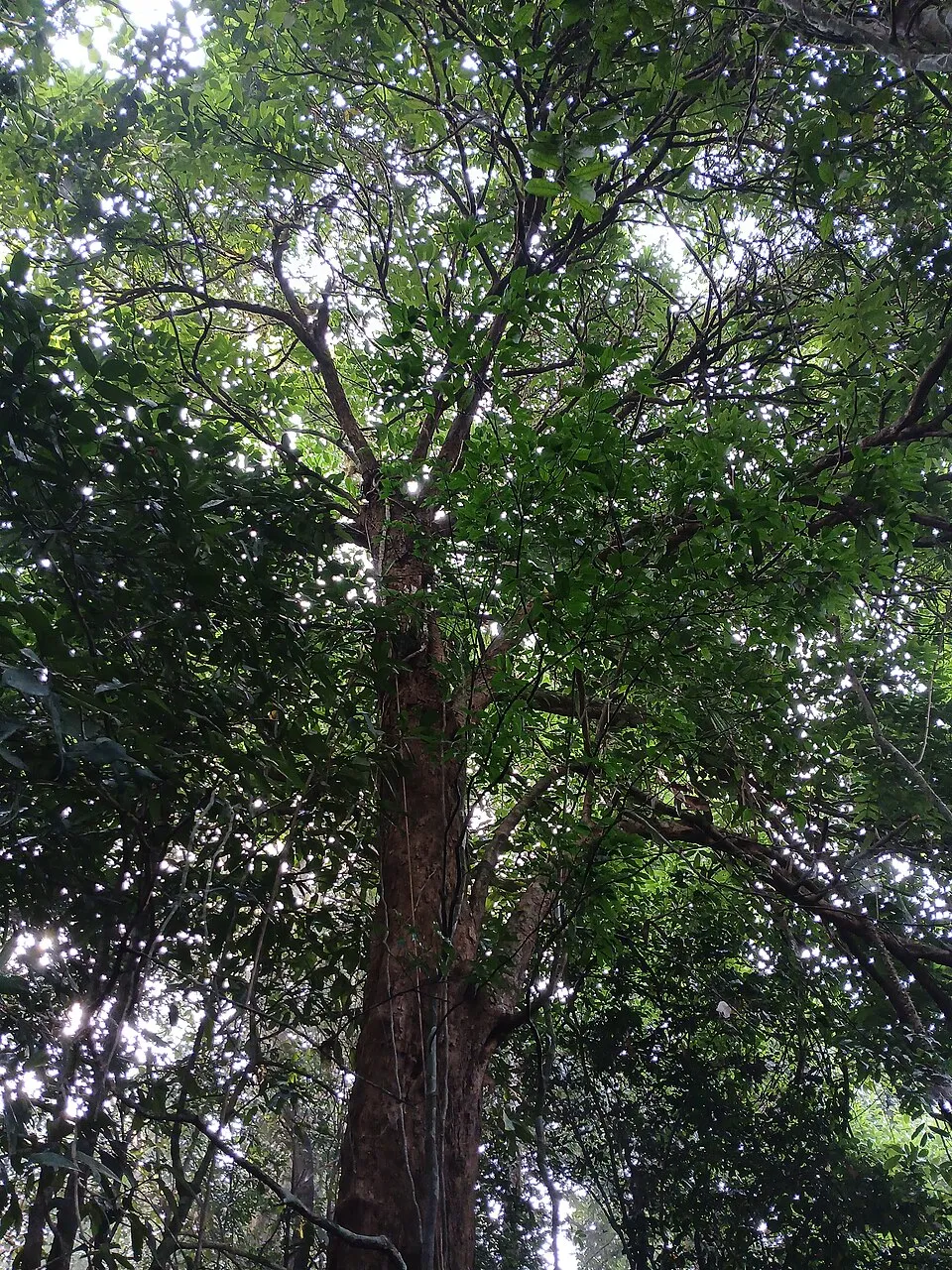
Dimocarpus longan, commonly known as Longan or 'dragon's eye', is a medium-sized evergreen tree indigenous to Southeast Asia, with its origins tracing back to China and India. It is a prominent member of the Sapindaceae family, which also includes other well-known tropical fruits like lychee and rambutan. Mature Longan trees can reach impressive heights of up to 20 meters, characterized by a robust trunk, dense evergreen foliage, and a broad, spreading canopy that provides ample shade. The leaves are alternate, pinnately compound, with 4-8 leathery, oblong-elliptical leaflets.
Flowering occurs in terminal or axillary panicles, producing small, yellowish-white, fragrant flowers that attract pollinators. The fruit is the primary economic and medicinal part, a spherical drupe typically 2-3 cm in diameter. Its thin, brittle pericarp (skin) is a dull yellowish-brown, easily peeled to reveal a translucent, whitish, succulent aril (flesh). Encased within this juicy aril is a single, hard, glossy black seed, giving the fruit its characteristic 'dragon's eye' appearance.
The flavor profile is sweet and subtly musky, less aromatic than lychee. Longan thrives in tropical and subtropical climates, preferring well-drained, fertile soils and requiring distinct wet and dry seasons for optimal fruit production. Its cultivation is widespread across its native range and beyond, valued for both its delicious fruit and its traditional medicinal applications.
Trusted Scientific References
1. Authoritative external sources for Dimocarpus longan
1.1 Wikipedia — Dimocarpus longan
1.2 Kew POWO (Plants of the World Online)
1.3 PubMed — peer-reviewed research
1.4 NCBI Taxonomy Browser
1.5 GBIF — Global Biodiversity
1.6Longan should be interpreted through verified botanical identity, practical care, and responsible safety language. This recovery note adds the missing context needed for a complete profile: match light to the plant's habit, use well-drained soil, water according to season, and avoid unsupported medicinal or edible claims. For publishing, the plant can be presented as a source-backed garden plant with clear care guidance, common problem diagnosis, and conservative safety wording.
1.1.Longan — Key Features
- ✓ <strong>Common Name</strong> — Longan, Dragon's Eye
- ✓ <strong>Scientific Name</strong> — Dimocarpus longan
- ✓ <strong>Family</strong> — Sapindaceae (Soapberry family)
- ✓ <strong>Native Region</strong> — Southeast Asia (China, India)
- ✓ <strong>Edible Part</strong> — Translucent, whitish aril (flesh)
- ✓ <strong>Flavor Profile</strong> — Sweet, subtly musky, juicy
- ✓ <strong>Key Nutrients</strong> — Vitamin C, Potassium, Iron, Polyphenols
- ✓ <strong>Traditional Uses</strong> — Anxiety, insomnia, fatigue, immune support
- ✓ <strong>Growth Habit</strong> — Evergreen tree, up to 20 meters tall
- ✓ <strong>Related Fruits</strong> — Lychee, Rambutan
1.2.Longan — Quick Summary
- ✓ Tropical fruit with sweet, juicy flesh and a 'dragon's eye' appearance.
- ✓ Rich in Vitamin C, potassium, iron, and polyphenols.
- ✓ Traditionally used for anxiety, insomnia, fatigue, and immune support.
- ✓ Offers antioxidant, anti-inflammatory, and cognitive benefits.
- ✓ Best consumed fresh, dried, or in teas; seeds are inedible.
- ✓ Generally safe, but moderation is advised, especially for diabetics.
2.Longan — Scientific Identity
3.Longan — Quick Facts
4.Longan — Appearance & Identification
5.Longan — Native Habitat
6.Longan — Water Requirements
- ✓ Climate — Thrives in tropical and subtropical regions with distinct wet and dry seasons, intolerant of frost.
- ✓ Soil — Prefers well-drained, fertile loamy soils with a pH range of 5.5 to 6.5.
- ✓ Sunlight — Requires full sun exposure for optimal growth and fruit production, at least 6-8 hours daily.
- ✓ Watering — Needs consistent moisture, especially during flowering and fruiting; avoid waterlogging.
- ✓ Propagation — Primarily propagated by air layering (marcotting) for genetic consistency and earlier fruiting.
- ✓ Fertilization — Benefits from balanced fertilizers applied during growing seasons, with increased potassium during fruiting.
- ✓ Pruning — Regular pruning helps maintain tree shape, improve air circulation, and encourage fruit set.
- ✓ Pests & Diseases — Susceptible to fruit flies, aphids, and certain fungal diseases, requiring integrated pest management.
Reviewed by the Flora Medical Global Botanical Review Panel
Multi-disciplinary editorial group · Botany · Ethnobotany · Herbal-medicine literature
Who reviewed this: This page was checked by the Flora Medical Global Botanical Review Panel — an in-house editorial group of botany graduates, ethnobotany researchers, and horticulture practitioners who collectively maintain our 7,000+ plant encyclopedia. Meet the team.
Our 4-step verification process
1. Taxonomic verification
Scientific names and synonyms cross-checked against Kew POWO, World Flora Online, and The Plant List.
2. Phytochemical & medicinal cross-reference
Active compounds, traditional uses, and reported activities are cross-referenced with PubMed, USDA Dr. Duke's database, and peer-reviewed ethnobotanical literature.
3. Conservation & distribution check
Distribution, ecology, and conservation status confirmed against GBIF occurrence records and the IUCN Red List.
4. Editorial & safety review
Every entry passes an editorial pass for clarity, originality, and safety notices (toxicity, contraindications, dosage caveats) before publication.
Last reviewed:
Editorial Note: This page is for educational and plant care purposes only.
Written by: Flora Medical Global Editorial Team
Reviewed by: Flora Medical Global Botanical Review Panel
Last Updated: June 15, 2026







Longan — Comments & Community Reviews
Rate this plant