


Care Disclaimer: Plant care recommendations are general guidelines based on common growing conditions. Individual results may vary based on your local environment, climate, and care routine. If your plant is toxic, keep it away from children and pets, and consult a veterinarian if accidental ingestion occurs.
1.Oleander — Overview
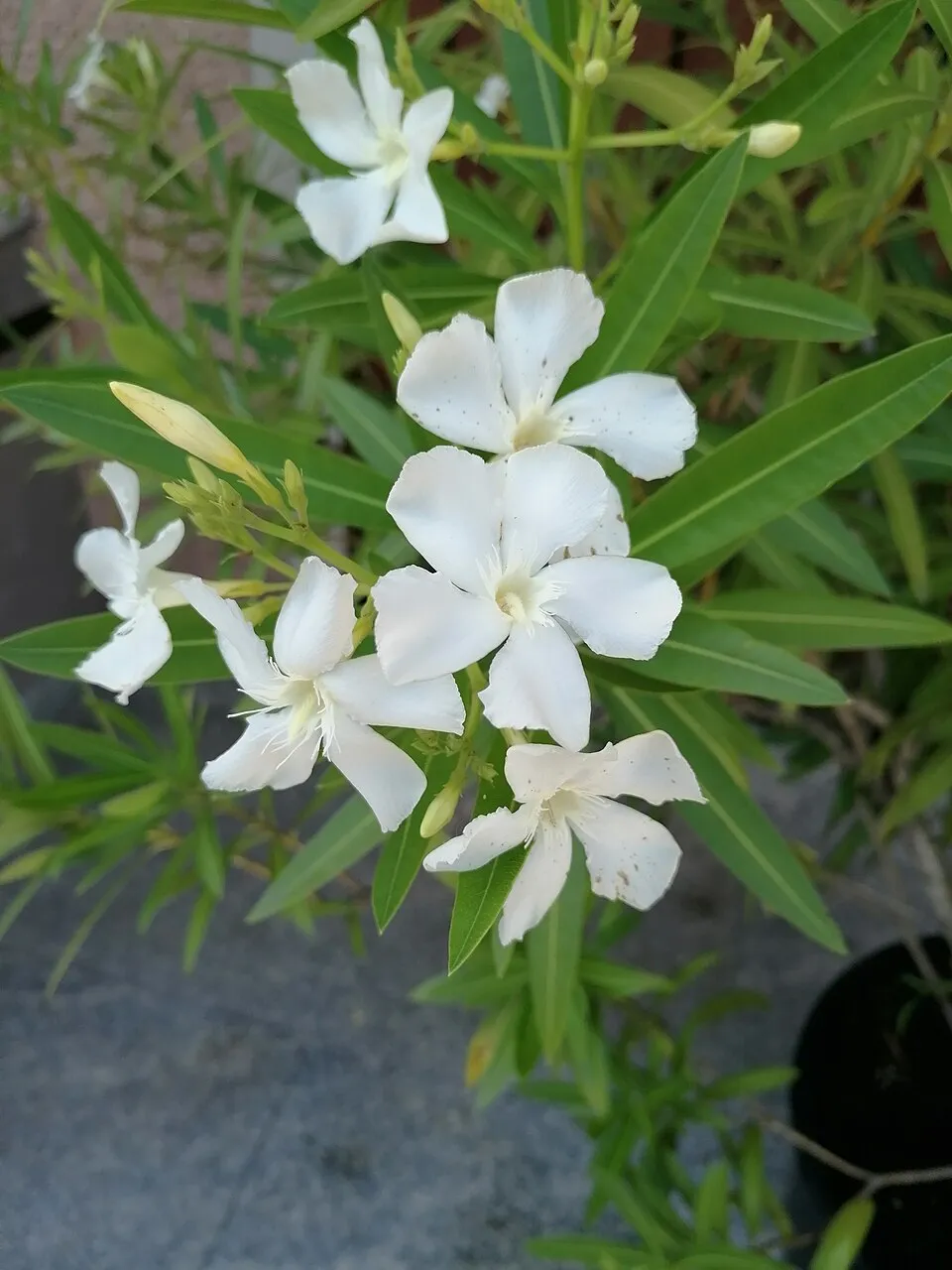
Nerium oleander, commonly known as Oleander, is a robust, evergreen shrub or small tree belonging to the Apocynaceae family, renowned for its striking ornamental value despite its profound toxicity. Native to a wide area spanning the Mediterranean Basin, North Africa, and extending eastward through the Middle East to India and southern China, it has become extensively naturalized and cultivated across temperate and subtropical regions globally. This resilient plant typically reaches heights of 2 to 6 meters (6-20 feet), occasionally exceeding 10 meters (33 feet) in optimal conditions, forming a dense, bushy presence.
Its characteristic lanceolate leaves are leathery, dark glossy green, and typically arranged in whorls of three or four. From late spring through summer, Oleander produces an abundance of showy, trumpet-shaped flowers in terminal cymes, presenting a diverse palette of colors including white, pink, red, and yellow, often with a subtle to strong fragrance, particularly noticeable in the evening. The plant demonstrates exceptional adaptability, thriving in various soil types and exhibiting high tolerance to drought, heat, salt spray, and even poor soil, making it a popular choice for xeriscaping, coastal plantings, and roadside beautification.
Propagation is primarily achieved through stem cuttings, contributing to its widespread presence. A critical botanical feature is the milky sap found throughout the plant, which contains highly potent cardiac glycosides. This inherent toxicity, while making it deer-resistant, necessitates extreme caution in its handling and placement, especially in environments frequented by children and pets.
Trusted Scientific References
1. Authoritative external sources for Nerium oleander
1.1 Wikipedia — Nerium oleander
1.2 Kew POWO (Plants of the World Online)
1.3 PubMed — peer-reviewed research
1.4 NCBI Taxonomy Browser
1.5 GBIF — Global Biodiversity
1.6Oleander should be interpreted through verified botanical identity, practical care, and responsible safety language. This recovery note adds the missing context needed for a complete profile: match light to the plant's habit, use well-drained soil, water according to season, and avoid unsupported medicinal or edible claims. For publishing, the plant can be presented as a source-backed garden plant with clear care guidance, common problem diagnosis, and conservative safety wording.
1.1.Oleander — Key Features
- ✓ <strong>Evergreen foliage</strong> — Maintains lush, dark green leaves year-round.
- ✓ <strong>Vibrant flowers</strong> — Produces profuse, showy blossoms in various colors.
- ✓ <strong>High toxicity</strong> — All plant parts are highly poisonous, containing cardiac glycosides.
- ✓ <strong>Drought tolerant</strong> — Exceptionally resilient to dry conditions once established.
- ✓ <strong>Heat tolerant</strong> — Thrives in hot climates and full sun.
- ✓ <strong>Salt tolerant</strong> — Ideal for coastal landscapes and areas with salt spray.
- ✓ <strong>Rapid growth</strong> — Establishes quickly and grows vigorously.
- ✓ <strong>Deer resistant</strong> — Toxicity deters browsing animals.
- ✓ <strong>Fragrant blooms</strong> — Many varieties offer a sweet, heavy scent, especially in the evening.
- ✓ <strong>Ornamental appeal</strong> — Widely used in landscaping for hedges, screens, and specimen planting.
1.2.Oleander — Quick Summary
- ✓ Highly ornamental evergreen shrub with vibrant flowers.
- ✓ Extremely toxic plant due to potent cardiac glycosides.
- ✓ Native to the Mediterranean, widely cultivated globally.
- ✓ All parts are poisonous; ingestion can be fatal.
- ✓ Used ornamentally, never for self-medication.
- ✓ Research explores isolated compounds for potential future therapies.
2.Oleander — Scientific Identity
3.Oleander — Quick Facts
4.Oleander — Appearance & Identification
5.Oleander — Native Habitat
6.Oleander — Water Requirements
- ✓ Sunlight — Prefers full sun to partial shade for optimal growth and flowering, requiring at least 6 hours of direct sunlight daily.
- ✓ Soil Requirements — Adapts to a wide range of well-drained soils, including poor, sandy, or clay soils, but thrives in fertile loam.
- ✓ Watering — Highly drought-tolerant once established, requiring minimal water; overwatering can lead to root rot.
- ✓ Temperature Tolerance — Intolerant of temperatures below 32°F (0°C); cold winters can cause frost damage, often grown in containers in colder climates.
- ✓ Pruning — Benefits from light pruning after flowering to maintain shape, remove dead or damaged branches, and encourage new blooms.
- ✓ Propagation — Easily propagated from stem cuttings taken in spring or summer, which readily root in water or moist soil.
- ✓ Fertilization — Generally low-maintenance; a balanced, slow-release fertilizer can be applied in spring if growth appears sluggish.
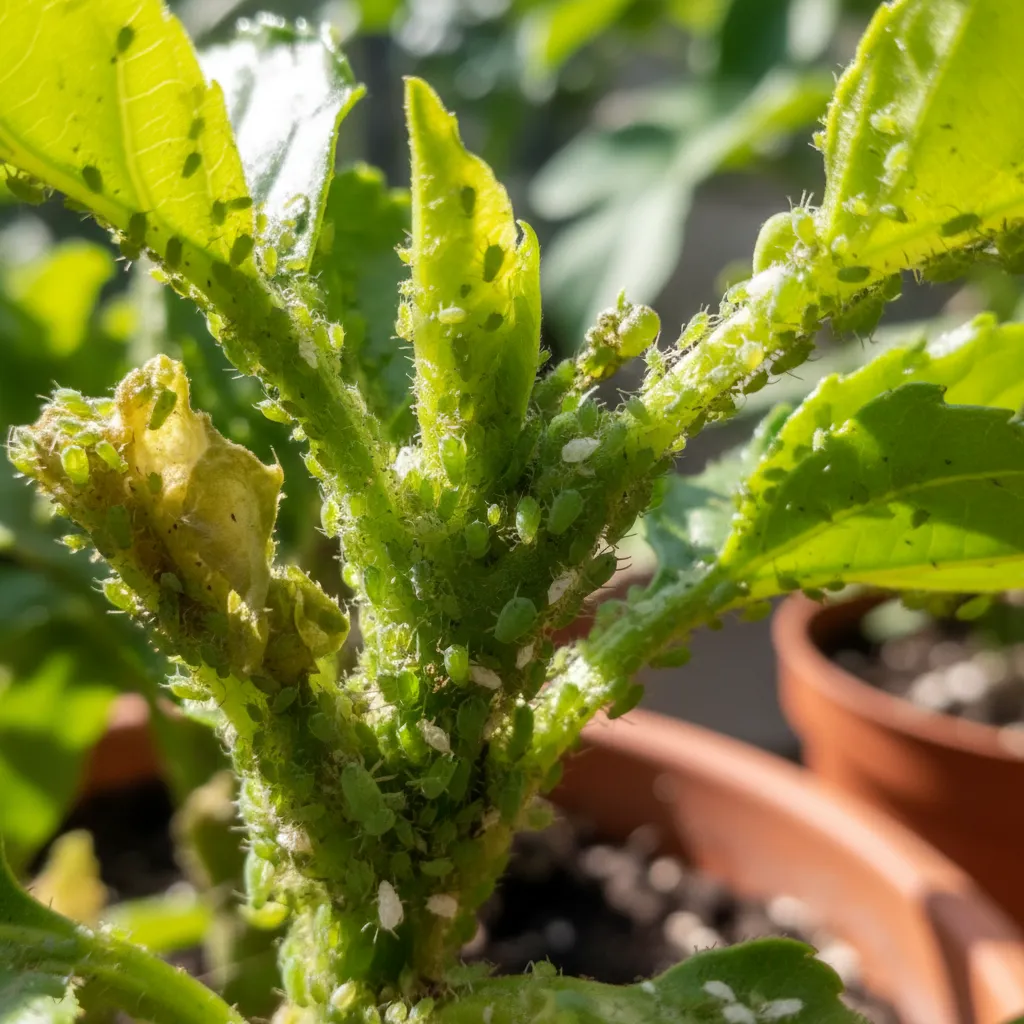
- ✓ Pest and Disease Management — Generally robust, but can be susceptible to oleander aphids, scale insects, and occasional fungal leaf spots.
Reviewed by the Flora Medical Global Botanical Review Panel
Multi-disciplinary editorial group · Botany · Ethnobotany · Herbal-medicine literature
Who reviewed this: This page was checked by the Flora Medical Global Botanical Review Panel — an in-house editorial group of botany graduates, ethnobotany researchers, and horticulture practitioners who collectively maintain our 7,000+ plant encyclopedia. Meet the team.
Our 4-step verification process
1. Taxonomic verification
Scientific names and synonyms cross-checked against Kew POWO, World Flora Online, and The Plant List.
2. Phytochemical & medicinal cross-reference
Active compounds, traditional uses, and reported activities are cross-referenced with PubMed, USDA Dr. Duke's database, and peer-reviewed ethnobotanical literature.
3. Conservation & distribution check
Distribution, ecology, and conservation status confirmed against GBIF occurrence records and the IUCN Red List.
4. Editorial & safety review
Every entry passes an editorial pass for clarity, originality, and safety notices (toxicity, contraindications, dosage caveats) before publication.
Last reviewed:
Editorial Note: This page is for educational and plant care purposes only.
Written by: Flora Medical Global Editorial Team
Reviewed by: Flora Medical Global Botanical Review Panel
Last Updated: June 15, 2026







Oleander — Comments & Community Reviews
Rate this plant