
Care Disclaimer: Plant care recommendations are general guidelines based on common growing conditions. Individual results may vary based on your local environment, climate, and care routine. If your plant is toxic, keep it away from children and pets, and consult a veterinarian if accidental ingestion occurs.
1.Papaver Orientale — Overview
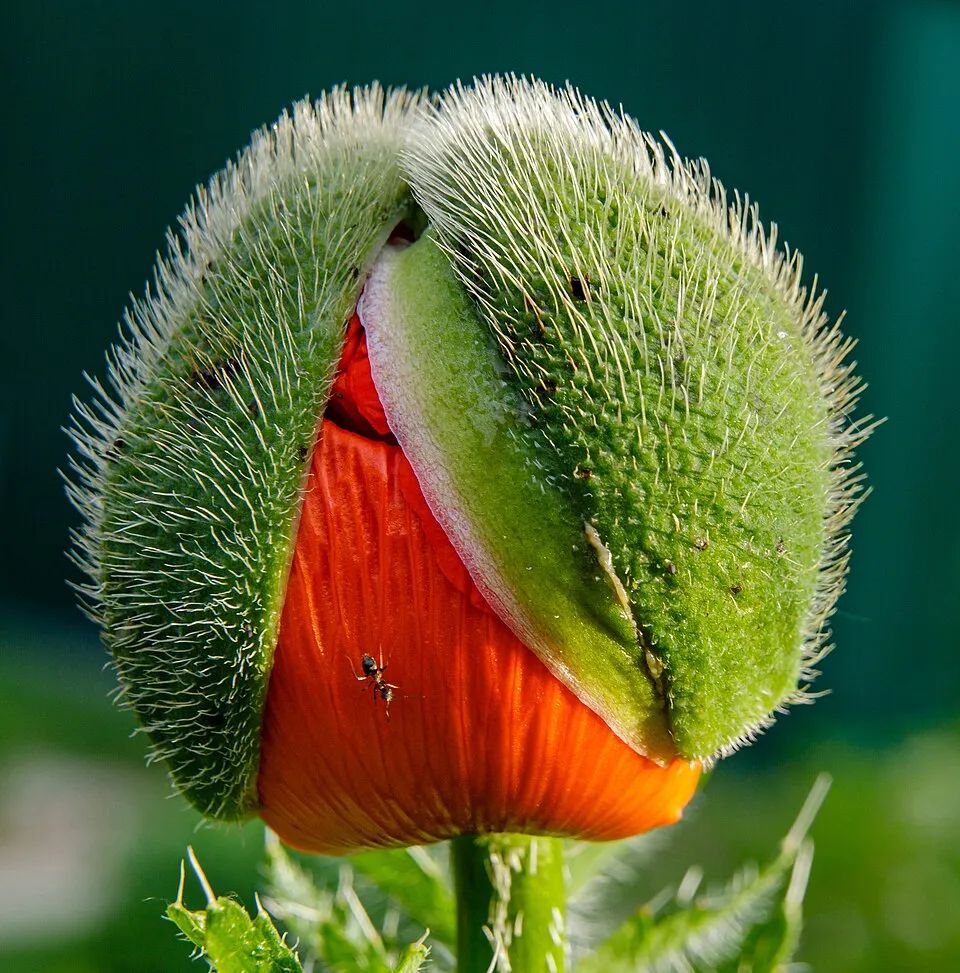
The Oriental Poppy, scientifically known as Papaver Orientale, is a charismatic herbaceous perennial belonging to the Papaveraceae family. It is renowned for its spectacular, large, and often crinkled flowers that typically unfurl from late spring through early summer. Native to a broad geographical range encompassing the Caucasus region, northeastern Turkey, and northern Iran, this species thrives in mountainous and rocky habitats.
Morphologically, Papaver Orientale forms a robust clump of deeply cut, hairy, grayish-green basal leaves that can reach impressive dimensions. The striking solitary flowers, borne on sturdy stems, present an array of vibrant colors including fiery oranges, brilliant reds, soft pinks, pure whites, and captivating bi-colors. A distinguishing feature is the prominent black blotch often found at the base of each petal, creating a dramatic visual contrast.
After its glorious floral display, the plant's foliage typically senesces and dies back by mid-summer, a natural dormancy mechanism to cope with hotter, drier conditions, only to re-emerge with fresh growth in the cooler temperatures of autumn. Its fibrous root system allows it to establish well and withstand periods of drought once mature. While a magnificent ornamental, it is crucial to understand its chemical composition and strictly refrain from any internal use.
Trusted Scientific References
1. Authoritative external sources for Papaver Orientale
1.1 Wikipedia — Papaver Orientale
1.2 Kew POWO (Plants of the World Online)
1.3 PubMed — peer-reviewed research
1.4 NCBI Taxonomy Browser
1.5 GBIF — Global Biodiversity
1.6Papaver Orientale should be interpreted through verified botanical identity, practical care, and responsible safety language. This recovery note adds the missing context needed for a complete profile: match light to the plant's habit, use well-drained soil, water according to season, and avoid unsupported medicinal or edible claims. For publishing, the plant can be presented as a source-backed garden plant with clear care guidance, common problem diagnosis, and conservative safety wording.
1.1.Papaver Orientale — Key Features
- ✓ <strong>Dramatic, large, often</strong> — Dramatic, large, often crinkled flowers in vibrant hues.
- ✓ <strong>Distinctive black basal</strong> — Distinctive black basal blotches on flower petals.
- ✓ <strong>Deeply cut, hairy, grayish</strong> — green foliage forming a robust clump.
- ✓ <strong>Exhibits summer dormancy,</strong> — Exhibits summer dormancy, with foliage dying back after flowering.
- ✓ <strong>Hardy herbaceous perennial,</strong> — Hardy herbaceous perennial, suitable for many temperate climates.
- ✓ <strong>Contains potent, toxic</strong> — Contains potent, toxic isoquinoline alkaloids like thebaine and oripavine.
- ✓ <strong>Strictly an ornamental</strong> — Strictly an ornamental plant; not for human or animal consumption.
- ✓ <strong>Prefers full sun exposure and well</strong> — drained soil conditions.
- ✓ <strong>Relatively low</strong> — maintenance once established, tolerates drought.
- ✓ <strong>Propagation typically by</strong> — Propagation typically by seeds or bare roots.
1.2.Papaver Orientale — Quick Summary
- ✓ Striking ornamental perennial with large, vibrant flowers.
- ✓ Native to the Caucasus region, Turkey, and Iran.
- ✓ Contains highly toxic alkaloids: thebaine and oripavine.
- ✓ NOT used in traditional or modern herbal medicine.
- ✓ Ingestion of any part is toxic and potentially fatal.
- ✓ Thrives in full sun and well-drained soil; strictly for aesthetic garden use.
2.Papaver Orientale — Scientific Identity
3.Papaver Orientale — Quick Facts
4.Papaver Orientale — Appearance & Identification
5.Papaver Orientale — Native Habitat
6.Papaver Orientale — Water Requirements
- ✓ Site Selection — Plant Papaver Orientale in a location that receives full sun exposure for at least six hours daily to ensure robust growth and abundant flowering.
- ✓ Soil Preparation — Ensure well-drained soil. Oriental Poppies tolerate a range of soil types, from sandy to clay, but good drainage is paramount to prevent root rot.
- ✓ Planting Time — The optimal time for planting seeds or bare roots is in autumn or early spring, allowing the plant to establish before extreme temperatures.
- ✓ Spacing — Space individual plants approximately 18-24 inches (45-60 cm) apart to allow for mature spread and adequate air circulation.
- ✓ Watering — Water regularly after planting until the plant is well-established. Once mature, Papaver Orientale is relatively drought-tolerant, requiring less frequent watering.
- ✓ Maintenance — Deadhead spent flowers to maintain a tidy appearance, though this species naturally goes dormant in summer. Divide mature clumps every few years in early autumn to rejuvenate vigor.
- ✓ Pest and Disease Management — Generally robust, but monitor for common garden pests like aphids or diseases such as powdery mildew, especially in humid conditions.
Reviewed by the Flora Medical Global Botanical Review Panel
Multi-disciplinary editorial group · Botany · Ethnobotany · Herbal-medicine literature
Who reviewed this: This page was checked by the Flora Medical Global Botanical Review Panel — an in-house editorial group of botany graduates, ethnobotany researchers, and horticulture practitioners who collectively maintain our 7,000+ plant encyclopedia. Meet the team.
Our 4-step verification process
1. Taxonomic verification
Scientific names and synonyms cross-checked against Kew POWO, World Flora Online, and The Plant List.
2. Phytochemical & medicinal cross-reference
Active compounds, traditional uses, and reported activities are cross-referenced with PubMed, USDA Dr. Duke's database, and peer-reviewed ethnobotanical literature.
3. Conservation & distribution check
Distribution, ecology, and conservation status confirmed against GBIF occurrence records and the IUCN Red List.
4. Editorial & safety review
Every entry passes an editorial pass for clarity, originality, and safety notices (toxicity, contraindications, dosage caveats) before publication.
Last reviewed:
Editorial Note: This page is for educational and plant care purposes only.
Written by: Flora Medical Global Editorial Team
Reviewed by: Flora Medical Global Botanical Review Panel
Last Updated: June 15, 2026







Papaver Orientale — Comments & Community Reviews
Rate this plant