
Care Disclaimer: Plant care recommendations are general guidelines based on common growing conditions. Individual results may vary based on your local environment, climate, and care routine. If your plant is toxic, keep it away from children and pets, and consult a veterinarian if accidental ingestion occurs.
1.Parsnip — Overview
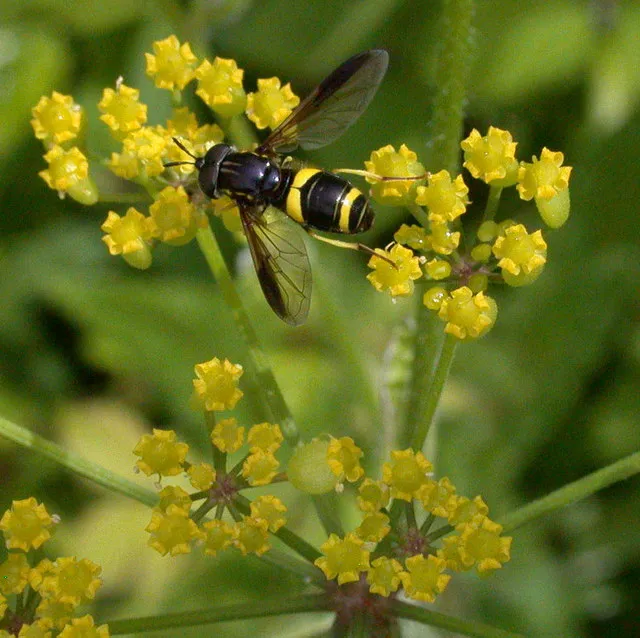
Parsnip, scientifically known as Pastinaca sativa, is a fascinating biennial root vegetable belonging to the Apiaceae family, making it a close relative of carrots, parsley, and celery. Native to the Eurasian continent, this plant has been cultivated for millennia, initially prized for its medicinal attributes before gaining prominence as a versatile food crop. In its first year, Pastinaca sativa develops a robust rosette of compound leaves and a distinctive, long, tapering taproot, typically cream-colored.
This root offers a unique sweet, earthy, and subtly spicy flavor, which intensifies and becomes sweeter after exposure to frost as starches convert into sugars. In its second year, the plant sends up a tall, sturdy stem crowned with characteristic umbels of small, yellow flowers, eventually producing seeds before completing its life cycle. While cultivated parsnips are a nutritious addition to the diet, it is crucial to note that wild parsnip can be a nuisance plant and all parts, particularly the sap, contain furocoumarins.
These compounds can cause phytophotodermatitis, a severe skin reaction upon exposure to sunlight. Proper identification is paramount, as wild parsnip can be mistaken for highly toxic look-alikes such as Conium maculatum (poison hemlock) or Heracleum maximum (cow parsnip), which share similar morphological features within the Apiaceae family.
Trusted Scientific References
1. Authoritative external sources for Pastinaca sativa
1.1 Wikipedia — Pastinaca sativa
1.2 Kew POWO (Plants of the World Online)
1.3 PubMed — peer-reviewed research
1.4 NCBI Taxonomy Browser
1.5 GBIF — Global Biodiversity
1.6Parsnip should be interpreted through verified botanical identity, practical care, and responsible safety language. This recovery note adds the missing context needed for a complete profile: match light to the plant's habit, use well-drained soil, water according to season, and avoid unsupported medicinal or edible claims. For publishing, the plant can be presented as a source-backed garden plant with clear care guidance, common problem diagnosis, and conservative safety wording.
1.1.Parsnip — Key Features
- ✓ <strong>Biennial growth cycle,</strong> — Biennial growth cycle, harvested in the first year for its root.
- ✓ <strong>Member of the</strong> — Member of the Apiaceae family, related to carrots and parsley.
- ✓ <strong>Distinctive sweet, earthy,</strong> — Distinctive sweet, earthy, and slightly spicy flavor, enhanced by frost.
- ✓ <strong>Excellent source of</strong> — Excellent source of dietary fiber, promoting digestive health.
- ✓ <strong>High in essential</strong> — High in essential vitamins, including Vitamin C, Vitamin K, and Folate.
- ✓ <strong>Contains beneficial polyacetylenes with potential anti</strong> — inflammatory properties.
- ✓ <strong>Presence of furanocoumarins</strong> — Presence of furanocoumarins in sap causes photosensitivity (phytophotodermatitis).
- ✓ <strong>Historically cultivated for</strong> — Historically cultivated for both medicinal and culinary purposes.
- ✓ <strong>Can be confused</strong> — Can be confused with poisonous wild plants, necessitating careful identification.
- ✓ <strong>Adaptable to various</strong> — Adaptable to various culinary applications, from roasting to purees.
1.2.Parsnip — Quick Summary
- ✓ Nutritious root vegetable in the Apiaceae family.
- ✓ Rich in dietary fiber, vitamins (C, K, Folate), and minerals (Potassium).
- ✓ Offers digestive, cardiovascular, and immune system benefits.
- ✓ Contains furanocoumarins, posing a risk of phytophotodermatitis from sap.
- ✓ Essential to distinguish from toxic wild look-alikes like poison hemlock.
- ✓ Versatile culinary ingredient with a sweet, earthy flavor.
2.Parsnip — Scientific Identity
3.Parsnip — Quick Facts
4.Parsnip — Appearance & Identification
5.Parsnip — Native Habitat
6.Parsnip — Water Requirements
- ✓ Soil Preparation — Parsnips thrive in deep, fertile, well-drained loamy soil with a pH range of 6.0-7.0, ideally free of stones to prevent root forking.
- ✓ Seed Sowing — Sow seeds directly outdoors in early spring, about 1/2 inch deep and 2-4 inches apart, in rows spaced 18-24 inches apart.
- ✓ Germination — Parsnip seeds are notoriously slow and erratic to germinate; ensuring fresh seeds and consistent soil moisture is crucial.
- ✓ Watering — Maintain consistently moist soil throughout the growing season, especially during dry spells, to encourage steady root development.
- ✓ Thinning Seedlings — Once seedlings emerge, thin them to a final spacing of 4-6 inches apart to allow sufficient room for root growth.
- ✓ Sunlight Requirements — The plants require full sun exposure for optimal growth and root development, though they can tolerate partial shade.
- ✓ Harvesting — Roots are typically harvested in late fall or after the first few frosts, as cold temperatures convert starches to sugars, improving flavor and sweetness.
- ✓ Pest Management — Parsnips are generally robust but monitor for common garden pests like carrot rust fly and parsnip webworm, using organic controls if necessary.
Reviewed by the Flora Medical Global Botanical Review Panel
Multi-disciplinary editorial group · Botany · Ethnobotany · Herbal-medicine literature
Who reviewed this: This page was checked by the Flora Medical Global Botanical Review Panel — an in-house editorial group of botany graduates, ethnobotany researchers, and horticulture practitioners who collectively maintain our 7,000+ plant encyclopedia. Meet the team.
Our 4-step verification process
1. Taxonomic verification
Scientific names and synonyms cross-checked against Kew POWO, World Flora Online, and The Plant List.
2. Phytochemical & medicinal cross-reference
Active compounds, traditional uses, and reported activities are cross-referenced with PubMed, USDA Dr. Duke's database, and peer-reviewed ethnobotanical literature.
3. Conservation & distribution check
Distribution, ecology, and conservation status confirmed against GBIF occurrence records and the IUCN Red List.
4. Editorial & safety review
Every entry passes an editorial pass for clarity, originality, and safety notices (toxicity, contraindications, dosage caveats) before publication.
Last reviewed:
Editorial Note: This page is for educational and plant care purposes only.
Written by: Flora Medical Global Editorial Team
Reviewed by: Flora Medical Global Botanical Review Panel
Last Updated: June 15, 2026







Parsnip — Comments & Community Reviews
Rate this plant