


Care Disclaimer: Plant care recommendations are general guidelines based on common growing conditions. Individual results may vary based on your local environment, climate, and care routine. If your plant is toxic, keep it away from children and pets, and consult a veterinarian if accidental ingestion occurs.
1.Phormium — Overview
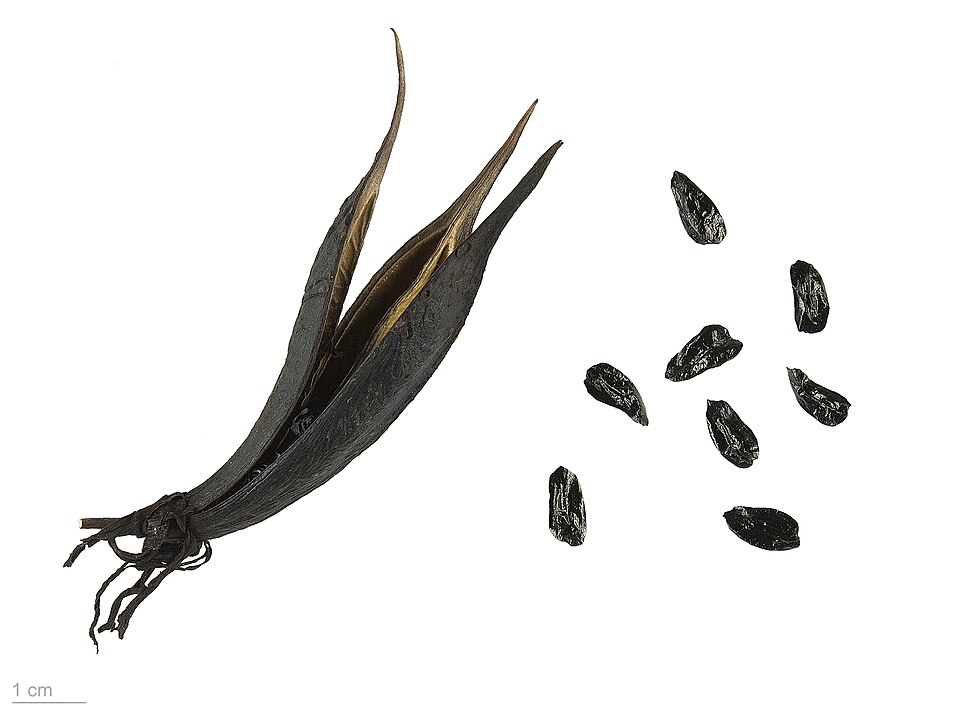
Phormium tenax, commonly recognized as New Zealand Flax or harakeke, is a visually striking evergreen perennial native to the diverse landscapes of New Zealand. Belonging to the Asphodelaceae family, its taxonomic placement has seen historical shifts, reflecting its unique botanical characteristics. This robust plant is defined by its tough, sword-shaped leaves, which emerge in dense, clump-forming rosettes and can impressively reach heights of up to 3 meters.
The foliage typically presents in deep green, but numerous cultivated varieties offer a rich palette, including bronze, red, pink, and variegated patterns, adding significant ornamental value. Tall, branched inflorescences ascend dramatically above the leaf clumps, showcasing star-shaped flowers that range from dull red to greenish-yellow, attracting various pollinators, notably hummingbirds. These blossoms mature into elongated, leathery seed capsules.
Phormium tenax develops a strong, fibrous root system that provides firm anchorage, contributing to its resilience. Its adaptability to various conditions, including salt tolerance, has facilitated its widespread cultivation globally as an architectural ornamental plant. Critically, it held immense cultural, economic, and medicinal importance for the Māori people, who skillfully utilized its exceptionally strong fibers for weaving intricate textiles, ropes, baskets, and other essential items, embodying its common name, 'holding tight' or 'tough', derived from its species epithet.
Trusted Scientific References
1. Authoritative external sources for Phormium tenax
1.1 Wikipedia — Phormium tenax
1.2 Kew POWO (Plants of the World Online)
1.3 PubMed — peer-reviewed research
1.4 NCBI Taxonomy Browser
1.5 GBIF — Global Biodiversity
1.6Phormium should be interpreted through verified botanical identity, practical care, and responsible safety language. This recovery note adds the missing context needed for a complete profile: match light to the plant's habit, use well-drained soil, water according to season, and avoid unsupported medicinal or edible claims. For publishing, the plant can be presented as a source-backed garden plant with clear care guidance, common problem diagnosis, and conservative safety wording.
1.1.Phormium — Key Features
- ✓ <strong>Striking architectural foliage and robust, clump</strong> — forming growth habit.
- ✓ <strong>Native to New</strong> — Native to New Zealand, holding profound cultural and historical significance for the Māori people.
- ✓ <strong>Produces exceptionally strong,</strong> — Produces exceptionally strong, durable fibers used extensively for weaving and crafts.
- ✓ <strong>Medicinal sap and</strong> — Medicinal sap and leaves are traditionally used for wound healing, antiseptic action, and reducing inflammation.
- ✓ <strong>Rich in demulcent</strong> — Rich in demulcent mucilage (polysaccharides) and beneficial antioxidant phenolic compounds.
- ✓ <strong>Highly adaptable ornamental</strong> — Highly adaptable ornamental plant, suitable for diverse garden designs and coastal environments.
- ✓ <strong>Attracts hummingbirds with</strong> — Attracts hummingbirds with its tall, showy flower stalks.
- ✓ <strong>Evergreen perennial, providing year</strong> — round visual interest and structural presence.
- ✓ <strong>Exhibits notable salt</strong> — Exhibits notable salt tolerance, making it suitable for seaside gardens.
- ✓ <strong>Relatively low maintenance</strong> — Relatively low maintenance once established in appropriate climatic conditions.
1.2.Phormium — Quick Summary
- ✓ Phormium tenax, or New Zealand Flax, is a resilient evergreen perennial native to New Zealand.
- ✓ Deeply valued by Māori for its strong fibers and diverse traditional medicinal applications.
- ✓ Renowned for its antiseptic, anti-inflammatory, and potent wound-healing properties, primarily applied topically.
- ✓ Phytochemically rich in demulcent mucilaginous polysaccharides and antioxidant phenolic compounds.
- ✓ Cultivated globally as an ornamental, thriving in well-drained soil and full sun to partial shade.
- ✓ Generally considered safe for topical use, but internal consumption requires expert guidance and caution due to limited modern research.
2.Phormium — Scientific Identity
3.Phormium — Quick Facts
4.Phormium — Appearance & Identification
5.Phormium — Native Habitat
6.Phormium — Water Requirements
- ✓ Soil Requirements — Thrives in average, well-drained soil, tolerating a range of soil types but preferring slightly acidic to neutral pH for optimal growth.
- ✓ Light Exposure — Prefers full sun to partial shade; variegated cultivars typically exhibit their most vibrant color when situated in partial shade conditions.
- ✓ Watering — Requires moderate watering, especially during dry periods, but is generally drought-tolerant once established; avoid excessive waterlogging to prevent root rot.
- ✓ Temperature & Hardiness — Best suited for USDA Zones 9a and above, as it dislikes excessive summer heat and is not reliably hardy in colder climates.
- ✓ Propagation — Can be readily propagated by division of mature clumps in spring or autumn, or by sowing seeds, though cultivars may not consistently reproduce true from seed.
- ✓ Fertilization — Benefits from a balanced, slow-release granular fertilizer application in early spring, particularly for container-grown specimens, to support vigorous foliage and flower development.
- ✓ Pruning & Maintenance — Remove spent flower stalks after blooming and any damaged, old, or discolored leaves at the base to maintain an attractive appearance and promote plant health.
- ✓ Container Growing — An excellent choice for container planting, providing architectural height and foliage contrast, and allowing for easy relocation or overwintering indoors in colder zones.
Reviewed by the Flora Medical Global Botanical Review Panel
Multi-disciplinary editorial group · Botany · Ethnobotany · Herbal-medicine literature
Who reviewed this: This page was checked by the Flora Medical Global Botanical Review Panel — an in-house editorial group of botany graduates, ethnobotany researchers, and horticulture practitioners who collectively maintain our 7,000+ plant encyclopedia. Meet the team.
Our 4-step verification process
1. Taxonomic verification
Scientific names and synonyms cross-checked against Kew POWO, World Flora Online, and The Plant List.
2. Phytochemical & medicinal cross-reference
Active compounds, traditional uses, and reported activities are cross-referenced with PubMed, USDA Dr. Duke's database, and peer-reviewed ethnobotanical literature.
3. Conservation & distribution check
Distribution, ecology, and conservation status confirmed against GBIF occurrence records and the IUCN Red List.
4. Editorial & safety review
Every entry passes an editorial pass for clarity, originality, and safety notices (toxicity, contraindications, dosage caveats) before publication.
Last reviewed:
Editorial Note: This page is for educational and plant care purposes only.
Written by: Flora Medical Global Editorial Team
Reviewed by: Flora Medical Global Botanical Review Panel
Last Updated: June 15, 2026







Phormium — Comments & Community Reviews
Rate this plant