

Care Disclaimer: Plant care recommendations are general guidelines based on common growing conditions. Individual results may vary based on your local environment, climate, and care routine. If your plant is toxic, keep it away from children and pets, and consult a veterinarian if accidental ingestion occurs.
1.Phormium Cookianum — Overview
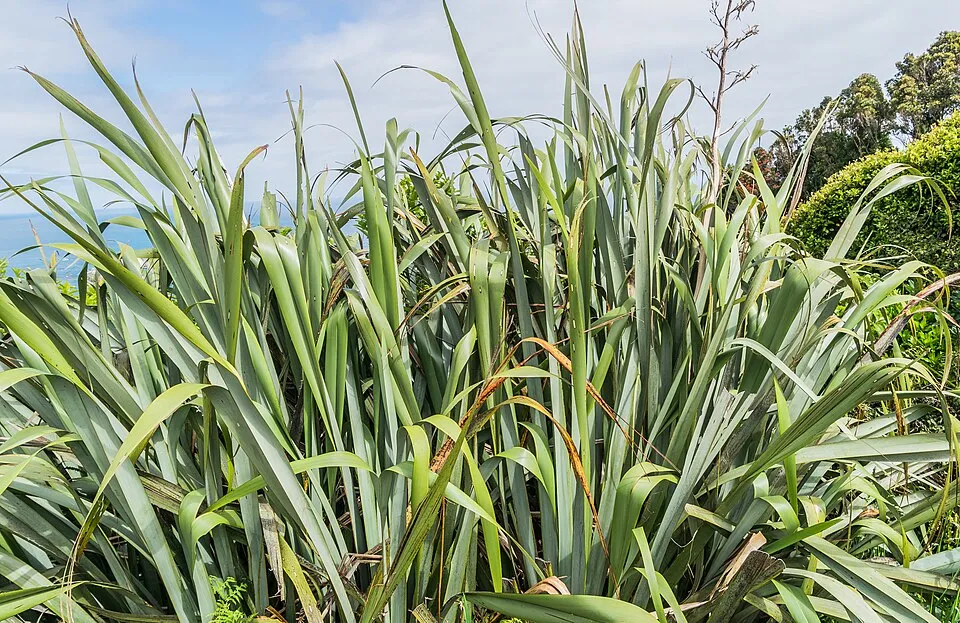
Phormium cookianum, widely recognized as mountain flax or coastal flax, is a robust perennial evergreen herb belonging to the Phormium genus, which is endemic to the diverse landscapes of New Zealand. This species is characterized by its distinctive, tough, strap-like leaves that form dense, upright clumps, typically reaching a height of 1 to 3 meters. While the natural foliage is a vibrant green, cultivated varieties exhibit a spectrum of colors including bronze, red, and various variegations, enhancing its ornamental appeal.
From the central core of the plant, impressive flower stalks ascend, often arching outwards, bearing clusters of star-shaped flowers. These blossoms display a range of hues from greenish-yellow to reddish-brown and are a significant source of nectar for native birds. Following successful pollination, the flowers mature into elongated, leathery seed pods, which are a distinguishing feature.
Phormium cookianum demonstrates remarkable resilience, adapting to a wide array of environmental conditions, from the exposed, salty coastal dunes to the more sheltered, cooler alpine regions. Its highly fibrous leaves have been historically invaluable to the Māori people, who skillfully processed them into durable textiles, intricate baskets, resilient ropes, and protective mats, highlighting its cultural and practical significance. Beyond its utility, Phormium cookianum plays a crucial role in New Zealand's native ecosystems, contributing significantly to local biodiversity and ecological stability, while its striking architectural form has made it a popular choice in gardens globally.
Trusted Scientific References
1. Authoritative external sources for Phormium Cookianum
1.1 Wikipedia — Phormium Cookianum
1.2 Kew POWO (Plants of the World Online)
1.3 PubMed — peer-reviewed research
1.4 NCBI Taxonomy Browser
1.5 GBIF — Global Biodiversity
1.6Phormium Cookianum should be interpreted through verified botanical identity, practical care, and responsible safety language. This recovery note adds the missing context needed for a complete profile: match light to the plant's habit, use well-drained soil, water according to season, and avoid unsupported medicinal or edible claims. For publishing, the plant can be presented as a source-backed garden plant with clear care guidance, common problem diagnosis, and conservative safety wording.
1.1.Phormium Cookianum — Key Features
- ✓ <strong>Endemic to New Zealand</strong> — A native species integral to the country's unique flora.
- ✓ <strong>Tough, Fibrous Leaves</strong> — Characteristic strap-like leaves used historically for weaving and cordage.
- ✓ <strong>Mucilaginous Sap</strong> — The plant's sap is rich in mucilage, providing therapeutic properties.
- ✓ <strong>Traditional Māori Medicine</strong> — Central to Māori ethnobotanical practices for healing and practical uses.
- ✓ <strong>Antiseptic and Anti</strong> — inflammatory — Key medicinal actions for wound care and reducing swelling.
- ✓ <strong>High Resilience</strong> — Thrives in diverse environments from coastal to alpine regions.
- ✓ <strong>Ornamental Value</strong> — Widely cultivated globally for its striking architectural form and varied foliage colors.
- ✓ <strong>Ecological Contributor</strong> — Supports biodiversity and provides habitat in its native ecosystems.
- ✓ <strong>Evergreen Perennial</strong> — Offers year-round foliage and structural interest.
- ✓ <strong>Natural Analgesic</strong> — Offers mild pain-relieving effects when applied topically.
1.2.Phormium Cookianum — Quick Summary
- ✓ Phormium cookianum, or mountain flax, is a New Zealand native known for its resilient, fibrous leaves.
- ✓ Traditionally used by Māori for textiles, ropes, and medicinal purposes, including wound healing.
- ✓ Rich in mucilage, providing antiseptic, anti-inflammatory, and soothing skin benefits.
- ✓ Applied topically as sap or poultice for minor injuries, skin irritations, and pain relief.
- ✓ A robust, adaptable plant with significant cultural and ecological importance.
- ✓ Primarily for external use; internal consumption is not recommended.
2.Phormium Cookianum — Scientific Identity
3.Phormium Cookianum — Quick Facts
4.Phormium Cookianum — Appearance & Identification
5.Phormium Cookianum — Native Habitat
6.Phormium Cookianum — Water Requirements
- ✓ Soil Requirements — Prefers well-drained soil, tolerating a range from sandy to heavy clay, but thrives best in fertile, humus-rich conditions.
- ✓ Light Exposure — Adaptable to full sun to partial shade; full sun promotes denser growth and better flowering.
- ✓ Water Needs — Drought-tolerant once established, but benefits from regular watering during prolonged dry periods, especially when young.
- ✓ Temperature Tolerance — Highly resilient, enduring both coastal winds and moderate frosts; suitable for USDA zones 8-11.
- ✓ Propagation — Easily propagated by division of established clumps in spring or autumn, or from fresh seeds sown in spring.
- ✓ Fertilization — Generally low-maintenance; a balanced slow-release fertilizer in spring can encourage vigorous growth.
- ✓ Pruning — Remove dead or damaged leaves and spent flower stalks as needed to maintain a tidy appearance and promote new growth.
- ✓ Pest and Disease Control — Relatively pest and disease resistant, though occasional scale insects or mealybugs may occur.
Reviewed by the Flora Medical Global Botanical Review Panel
Multi-disciplinary editorial group · Botany · Ethnobotany · Herbal-medicine literature
Who reviewed this: This page was checked by the Flora Medical Global Botanical Review Panel — an in-house editorial group of botany graduates, ethnobotany researchers, and horticulture practitioners who collectively maintain our 7,000+ plant encyclopedia. Meet the team.
Our 4-step verification process
1. Taxonomic verification
Scientific names and synonyms cross-checked against Kew POWO, World Flora Online, and The Plant List.
2. Phytochemical & medicinal cross-reference
Active compounds, traditional uses, and reported activities are cross-referenced with PubMed, USDA Dr. Duke's database, and peer-reviewed ethnobotanical literature.
3. Conservation & distribution check
Distribution, ecology, and conservation status confirmed against GBIF occurrence records and the IUCN Red List.
4. Editorial & safety review
Every entry passes an editorial pass for clarity, originality, and safety notices (toxicity, contraindications, dosage caveats) before publication.
Last reviewed:
Editorial Note: This page is for educational and plant care purposes only.
Written by: Flora Medical Global Editorial Team
Reviewed by: Flora Medical Global Botanical Review Panel
Last Updated: June 15, 2026







Phormium Cookianum — Comments & Community Reviews
Rate this plant