

Care Disclaimer: Plant care recommendations are general guidelines based on common growing conditions. Individual results may vary based on your local environment, climate, and care routine. If your plant is toxic, keep it away from children and pets, and consult a veterinarian if accidental ingestion occurs.
1.Pumpkin — Overview
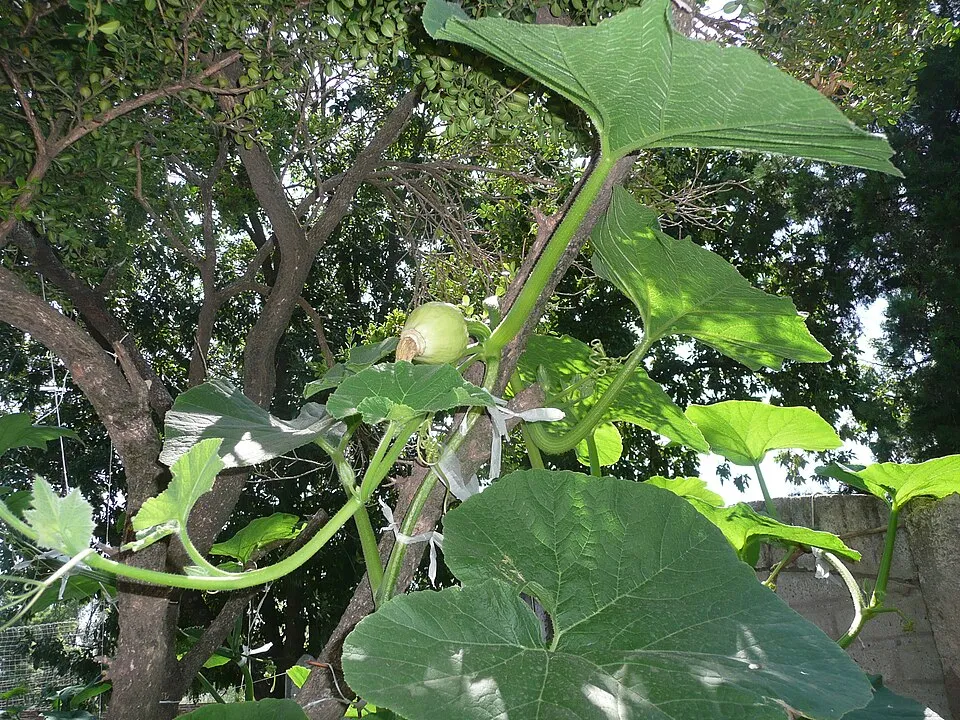
Cucurbita maxima, commonly known as the giant pumpkin or winter squash, is a robust, sprawling annual vine belonging to the Cucurbitaceae family. This species is celebrated for yielding some of the most colossal fruits in the plant kingdom, with certain varieties capable of reaching hundreds of kilograms. The plant's morphology includes large, deeply lobed leaves that are typically rough and hairy to the touch, and it develops tendrils that facilitate climbing and provide structural support.
Its showy flowers are large and typically yellow to orange, with distinct male and female blooms produced on the same plant, a characteristic known as monoecy. The fruit, botanically classified as a pepo (a specialized berry with a hard rind), features a thick, fleshy interior and varies significantly in shape, size, and color across cultivars, presenting hues from deep orange to green, white, or even blue. The flesh is generally sweet and highly nutritious, encasing numerous seeds within a fibrous matrix.
C. maxima is extensively cultivated worldwide for its edible flesh, seeds, and aesthetic appeal, flourishing in warm climates with abundant sunlight and fertile, well-drained soil. Its considerable genetic diversity contributes to a wide array of culinary and horticultural applications, making it a versatile and economically important crop.
Trusted Scientific References
1. Authoritative external sources for Cucurbita maxima
1.1 Wikipedia — Cucurbita maxima
1.2 Kew POWO (Plants of the World Online)
1.3 PubMed — peer-reviewed research
1.4 NCBI Taxonomy Browser
1.5 GBIF — Global Biodiversity
1.6Pumpkin should be interpreted through verified botanical identity, practical care, and responsible safety language. This recovery note adds the missing context needed for a complete profile: match light to the plant's habit, use well-drained soil, water according to season, and avoid unsupported medicinal or edible claims. For publishing, the plant can be presented as a source-backed garden plant with clear care guidance, common problem diagnosis, and conservative safety wording.
1.1.Pumpkin — Key Features
- ✓ <strong>Large, Edible Fruits</strong> — Produces some of the largest fruits in the plant kingdom.
- ✓ <strong>Nutrient</strong> — Dense — Rich in beta-carotene, vitamins C and E, magnesium, zinc.
- ✓ <strong>Monoecious Flowering</strong> — Bears separate male and female flowers on the same plant.
- ✓ <strong>Sprawling Vine</strong> — Characterized by vigorous, trailing growth with tendrils.
- ✓ <strong>Diverse Cultivars</strong> — Wide variety in fruit shape, size, and color.
- ✓ <strong>Culinary Versatility</strong> — Flesh, seeds, and oil are widely used in cooking.
- ✓ <strong>Traditional Medicinal Uses</strong> — Seeds noted for anthelmintic and prostate health benefits.
- ✓ <strong>Antioxidant Powerhouse</strong> — High levels of carotenoids and phenolic compounds.
- ✓ <strong>Warm</strong> — Season Annual — Thrives in warm climates with ample sunlight.
- ✓ <strong>Economic Importance</strong> — Significant agricultural crop worldwide.
1.2.Pumpkin — Quick Summary
- ✓ Cucurbita maxima is a versatile annual vine producing large, nutritious fruits.
- ✓ Rich in vitamins, minerals, antioxidants, and fiber, supporting overall health.
- ✓ Pumpkin flesh boosts vision and immunity; seeds support heart and prostate health.
- ✓ Traditionally used for digestive health and as an anthelmintic.
- ✓ Generally safe for consumption, with minor potential side effects like digestive upset.
- ✓ Cultivated globally for culinary, ornamental, and potential medicinal uses.
2.Pumpkin — Scientific Identity
3.Pumpkin — Quick Facts
4.Pumpkin — Appearance & Identification
5.Pumpkin — Native Habitat
6.Pumpkin — Water Requirements
- ✓ Soil Preparation — Requires fertile, well-drained soil with a pH between 6.0 and 6.8, enriched with organic matter.
- ✓ Sunlight — Needs full sun exposure, at least 6-8 hours daily, to ensure robust growth and fruit development.
- ✓ Planting — Sow seeds directly after the last frost when soil temperatures are consistently above 65°F (18°C), typically in mounds.
- ✓ Watering — Requires consistent and deep watering, especially during flowering and fruiting, avoiding overhead irrigation to prevent fungal diseases.
- ✓ Fertilization — Benefits from balanced fertilization, with higher phosphorus and potassium during flowering and fruiting stages.
- ✓ Pest and Disease Management — Monitor for common cucurbit pests like squash bugs and diseases such as powdery mildew; employ organic controls when possible.
- ✓ Spacing — Allow ample space for sprawling vines, typically 5-10 feet between plants, or train on trellises for vertical growth.
- ✓ Harvesting — Fruits are ready when the rind is hard, and the stem begins to dry and crack, usually 90-120 days after planting.
Reviewed by the Flora Medical Global Botanical Review Panel
Multi-disciplinary editorial group · Botany · Ethnobotany · Herbal-medicine literature
Who reviewed this: This page was checked by the Flora Medical Global Botanical Review Panel — an in-house editorial group of botany graduates, ethnobotany researchers, and horticulture practitioners who collectively maintain our 7,000+ plant encyclopedia. Meet the team.
Our 4-step verification process
1. Taxonomic verification
Scientific names and synonyms cross-checked against Kew POWO, World Flora Online, and The Plant List.
2. Phytochemical & medicinal cross-reference
Active compounds, traditional uses, and reported activities are cross-referenced with PubMed, USDA Dr. Duke's database, and peer-reviewed ethnobotanical literature.
3. Conservation & distribution check
Distribution, ecology, and conservation status confirmed against GBIF occurrence records and the IUCN Red List.
4. Editorial & safety review
Every entry passes an editorial pass for clarity, originality, and safety notices (toxicity, contraindications, dosage caveats) before publication.
Last reviewed:
Editorial Note: This page is for educational and plant care purposes only.
Written by: Flora Medical Global Editorial Team
Reviewed by: Flora Medical Global Botanical Review Panel
Last Updated: June 15, 2026







Pumpkin — Comments & Community Reviews
Rate this plant