
Care Disclaimer: Plant care recommendations are general guidelines based on common growing conditions. Individual results may vary based on your local environment, climate, and care routine. If your plant is toxic, keep it away from children and pets, and consult a veterinarian if accidental ingestion occurs.
1.Raspberry Bush — Overview
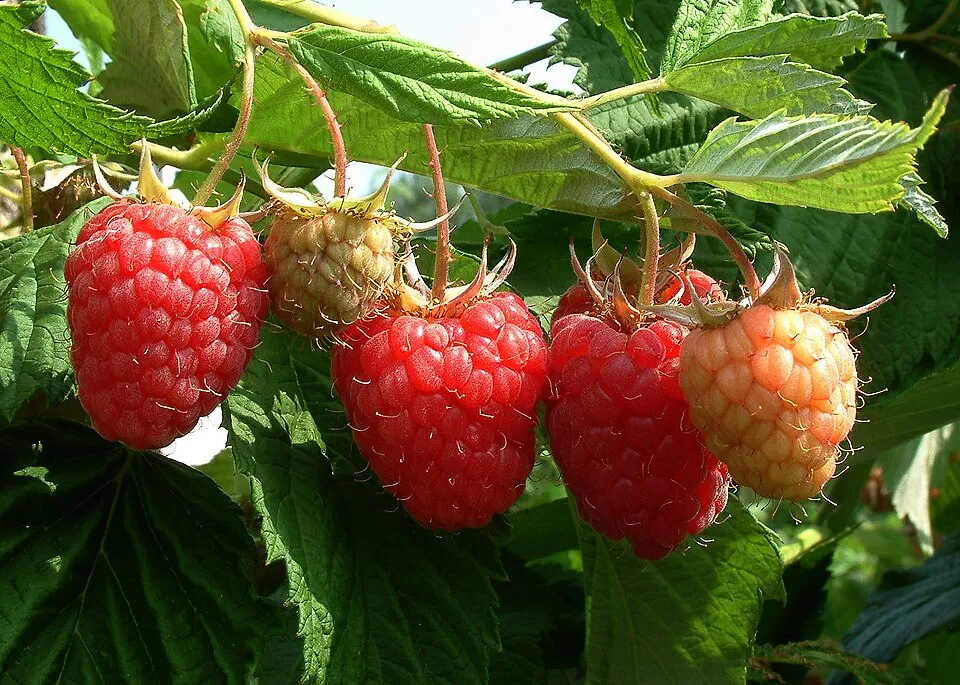
The Raspberry Bush, scientifically known as Rubus idaeus, is a revered deciduous shrub within the diverse Rosaceae family. Indigenous to the temperate zones of Europe and northern Asia, it has been extensively naturalized and cultivated worldwide, celebrated for its succulent and nutritionally dense fruits. This perennial plant typically attains heights of 1.5 to 2.5 meters, characterized by its arching, often thorny canes that bear the iconic red, sweet-tart berries.
The leaves are distinctively compound, usually comprising three to seven ovate leaflets with serrated margins, and a notable whitish, pubescent underside. Raspberries are botanically classified as aggregate fruits, formed from numerous small drupelets, each encapsulating a single minute seed. The plant exhibits vigorous growth and a propensity for spreading via suckers, frequently forming dense thickets if left unmanaged, which makes it a popular choice for both domestic gardens and large-scale commercial orchards.
Beyond its fruit, the leaves are particularly valued in traditional herbal medicine for their unique therapeutic properties. Its robust nature allows it to thrive in various soil conditions, though it prefers well-drained, slightly acidic loam.
Trusted Scientific References
1. Authoritative external sources for Rubus idaeus
1.1 Wikipedia — Rubus idaeus
1.2 Kew POWO (Plants of the World Online)
1.3 PubMed — peer-reviewed research
1.4 NCBI Taxonomy Browser
1.5 GBIF — Global Biodiversity
1.6Raspberry Bush should be interpreted through verified botanical identity, practical care, and responsible safety language. This recovery note adds the missing context needed for a complete profile: match light to the plant's habit, use well-drained soil, water according to season, and avoid unsupported medicinal or edible claims. For publishing, the plant can be presented as a source-backed garden plant with clear care guidance, common problem diagnosis, and conservative safety wording.
1.1.Raspberry Bush — Key Features
- ✓ <strong>Uterine Tonic</strong> — Traditionally used to prepare the uterus for labor.
- ✓ <strong>Antioxidant Powerhouse</strong> — Abundant in anthocyanins, ellagic acid, and Vitamin C.
- ✓ <strong>Astringent Properties</strong> — Due to high tannin content.
- ✓ <strong>Rich in Nutrients</strong> — Provides manganese, Vitamin K, and dietary fiber.
- ✓ <strong>Supports Digestive Health</strong> — Aids in regularity and soothes inflammation.
- ✓ <strong>Anti</strong> — inflammatory Actions — Benefits overall cellular health.
- ✓ <strong>Versatile Use</strong> — Leaves for medicinal tea, fruit for culinary and nutritional purposes.
- ✓ <strong>Indigenous to Europe and Asia</strong> — Widely cultivated globally.
- ✓ <strong>Rosaceae Family Member</strong> — Part of the rose family.
- ✓ <strong>Perennial Shrub</strong> — Grows 1.5-2.5 meters tall with thorny canes.
1.2.Raspberry Bush — Quick Summary
- ✓ Uterine tonic for pregnancy and postpartum recovery.
- ✓ Rich in antioxidants, vitamins, and minerals.
- ✓ Astringent properties aid digestion and reduce inflammation.
- ✓ Supports women's health for menstrual issues.
- ✓ High fiber content for digestive regularity.
- ✓ Generally safe, with caution advised for specific conditions.
2.Raspberry Bush — Scientific Identity
3.Raspberry Bush — Quick Facts
4.Raspberry Bush — Appearance & Identification
5.Raspberry Bush — Native Habitat
6.Raspberry Bush — Water Requirements
- ✓ Site Selection — Choose a location with full sun exposure (6-8 hours daily) for optimal fruit production.
- ✓ Soil Preparation — Ensure well-drained, fertile soil with a slightly acidic pH (6.0-6.8); amend with compost to improve structure.
- ✓ Planting — Plant dormant bare-root canes in early spring, spacing them 2-3 feet apart within rows.
- ✓ Support Systems — Install trellises, wires, or stakes to support the canes, as raspberries are vining and benefit from vertical growth.
- ✓ Watering — Provide consistent moisture, especially during dry spells and fruit development; avoid waterlogging.
- ✓ Pruning — Prune annually to remove spent fruiting canes (floricanes) and thin new growth (primocanes) to maintain vigor and air circulation.
- ✓ Fertilization — Apply a balanced fertilizer in early spring and after harvest to replenish soil nutrients.
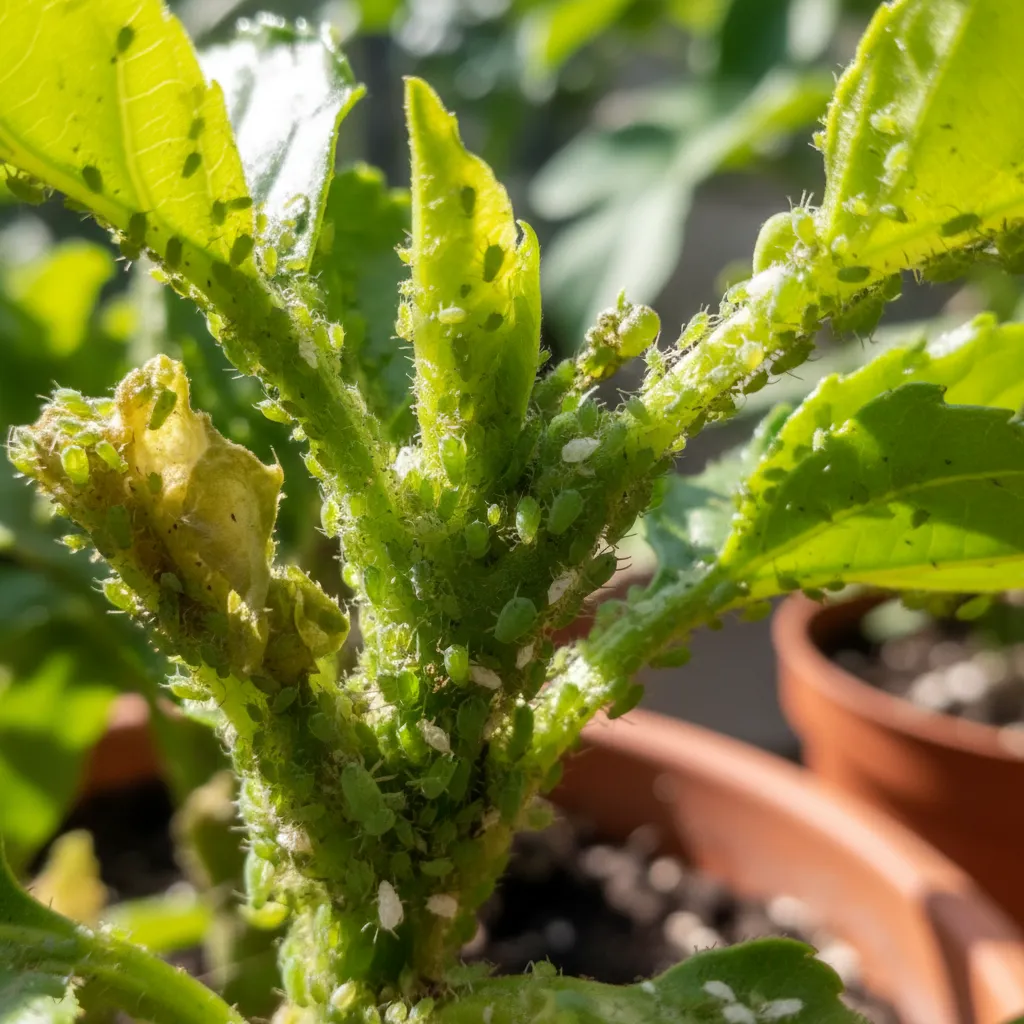
- ✓ Pest and Disease Management — Monitor for common pests like aphids and diseases such as powdery mildew, implementing organic controls when possible.
Reviewed by the Flora Medical Global Botanical Review Panel
Multi-disciplinary editorial group · Botany · Ethnobotany · Herbal-medicine literature
Who reviewed this: This page was checked by the Flora Medical Global Botanical Review Panel — an in-house editorial group of botany graduates, ethnobotany researchers, and horticulture practitioners who collectively maintain our 7,000+ plant encyclopedia. Meet the team.
Our 4-step verification process
1. Taxonomic verification
Scientific names and synonyms cross-checked against Kew POWO, World Flora Online, and The Plant List.
2. Phytochemical & medicinal cross-reference
Active compounds, traditional uses, and reported activities are cross-referenced with PubMed, USDA Dr. Duke's database, and peer-reviewed ethnobotanical literature.
3. Conservation & distribution check
Distribution, ecology, and conservation status confirmed against GBIF occurrence records and the IUCN Red List.
4. Editorial & safety review
Every entry passes an editorial pass for clarity, originality, and safety notices (toxicity, contraindications, dosage caveats) before publication.
Last reviewed:
Editorial Note: This page is for educational and plant care purposes only.
Written by: Flora Medical Global Editorial Team
Reviewed by: Flora Medical Global Botanical Review Panel
Last Updated: June 15, 2026







Raspberry Bush — Comments & Community Reviews
Rate this plant