


Care Disclaimer: Plant care recommendations are general guidelines based on common growing conditions. Individual results may vary based on your local environment, climate, and care routine. If your plant is toxic, keep it away from children and pets, and consult a veterinarian if accidental ingestion occurs.
1.Ratibida Columnifera — Overview
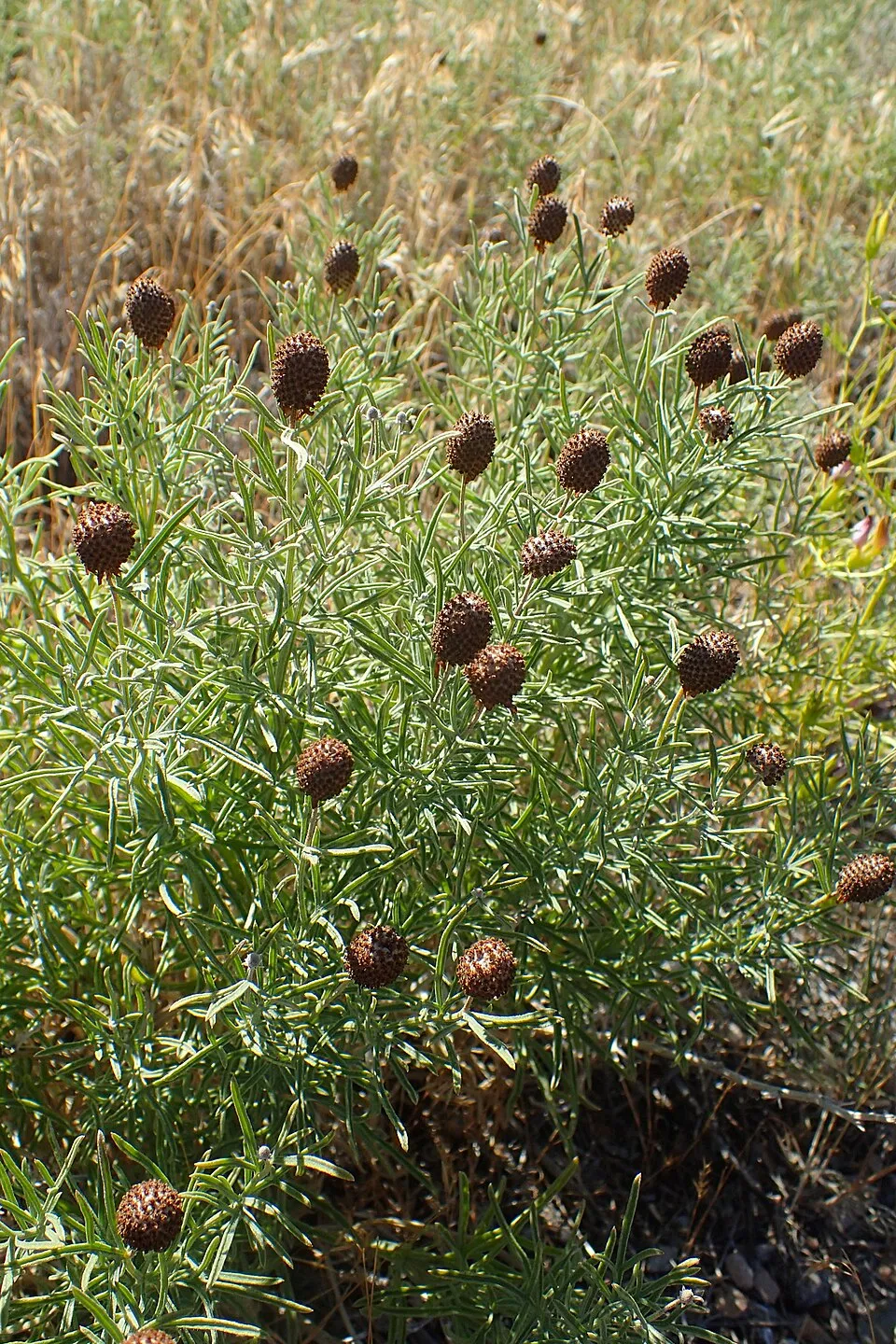
Ratibida columnifera, widely recognized as Mexican Hat or Prairie Coneflower, is a distinctive perennial herbaceous plant belonging to the Asteraceae family. Native across a vast range from Canada down through the central and western United United States, extending into Mexico, it thrives in prairies, plains, meadows, and along roadsides. This species is characterized by its unique flower structure: ray florets that are typically three to seven, conspicuously reflexed downwards, creating a sombrero-like appearance.
These rays can display vibrant yellow, reddish-brown, or striking bicolored patterns. The central disk is a prominent, elongated, often dark reddish-brown cone, measuring between 12 to 50 millimeters high, significantly protruding above the drooping petals.
The plant typically reaches heights of 30 to 90 centimeters (1 to 3 feet), featuring one to several branched stems. Its leaves are deeply pinnatifid to bipinnatifid, giving them a feathery texture, and are concentrated primarily in the lower sections of the stem. Ratibida columnifera possesses a robust taproot system, contributing to its notable drought tolerance and ability to thrive in poor, well-drained soils, including calcareous or loamy types.
Its long blooming season, from early summer to fall, makes it a valuable species for ecological restoration projects, xeriscaping, and native plant gardens, where it attracts a diverse array of pollinators like native bees, butterflies, and other beneficial insects. Despite its aggressive growth habit in favorable conditions, it is a cherished component of native ecosystems.
Trusted Scientific References
1. Authoritative external sources for Ratibida Columnifera
1.1 Wikipedia — Ratibida Columnifera
1.2 Kew POWO (Plants of the World Online)
1.3 PubMed — peer-reviewed research
1.4 NCBI Taxonomy Browser
1.5 GBIF — Global Biodiversity
1.6Ratibida Columnifera should be interpreted through verified botanical identity, practical care, and responsible safety language. This recovery note adds the missing context needed for a complete profile: match light to the plant's habit, use well-drained soil, water according to season, and avoid unsupported medicinal or edible claims. For publishing, the plant can be presented as a source-backed garden plant with clear care guidance, common problem diagnosis, and conservative safety wording.
1.1.Ratibida Columnifera — Key Features
- ✓ <strong>Distinctive sombrero</strong> — shaped flowers with reflexed ray florets.
- ✓ <strong>Prominent, elongated central disk in dark reddish</strong> — brown.
- ✓ <strong>Native to central</strong> — Native to central and western North America, including Canada and Mexico.
- ✓ <strong>Belongs to the</strong> — Belongs to the Asteraceae (Daisy) family.
- ✓ <strong>Perennial herbaceous plant, typically 1</strong> — 3 feet tall.
- ✓ <strong>Drought</strong> — tolerant and adaptable to various well-drained soil types.
- ✓ <strong>Long blooming season</strong> — Long blooming season from summer to fall.
- ✓ <strong>Attracts a wide</strong> — Attracts a wide array of pollinators, including bees and butterflies.
- ✓ <strong>Historically used in</strong> — Historically used in traditional Native American medicine.
- ✓ <strong>Contains bioactive compounds</strong> — Contains bioactive compounds like flavonoids and sesquiterpene lactones.
1.2.Ratibida Columnifera — Quick Summary
- ✓ Mexican Hat is a perennial wildflower known for its unique sombrero-like flowers.
- ✓ Traditionally used by Native Americans for headaches, fevers, stomach issues, and skin ailments.
- ✓ Contains beneficial compounds like flavonoids, sesquiterpenes, and phenolic acids.
- ✓ Highly valued in landscaping for its drought tolerance and pollinator attraction.
- ✓ Requires full sun and well-drained soil, easy to grow from seed.
- ✓ Exercise caution with internal use; potential for allergic reactions.
2.Ratibida Columnifera — Scientific Identity
3.Ratibida Columnifera — Quick Facts
4.Ratibida Columnifera — Appearance & Identification
5.Ratibida Columnifera — Native Habitat
6.Ratibida Columnifera — Water Requirements
- ✓ Seed Sowing — Best sown directly outdoors in late fall or early spring, or cold stratified for spring planting.
- ✓ Sun Exposure — Requires full sun, ideally at least 6 hours of direct sunlight daily, for optimal growth and flowering.
- ✓ Soil Preference — Thrives in well-drained to dry soil, tolerating a wide range of soil types including poor, sandy, calcareous, or loamy.
- ✓ Water Requirements — Highly drought-tolerant once established; requires low to moderate water, making it suitable for xeriscaping.
- ✓ Spacing — Allow adequate space between plants, as it can grow aggressively and spread.
- ✓ Germination — Optimal germination temperatures are between 20-30°C (68-86°F), with germination typically occurring within two days.
- ✓ Maintenance — Low maintenance, generally not requiring fertilization; deadheading can prolong blooming.
- ✓ Pest and Disease — Generally resistant to most common pests and diseases, due to its robust nature.
Reviewed by the Flora Medical Global Botanical Review Panel
Multi-disciplinary editorial group · Botany · Ethnobotany · Herbal-medicine literature
Who reviewed this: This page was checked by the Flora Medical Global Botanical Review Panel — an in-house editorial group of botany graduates, ethnobotany researchers, and horticulture practitioners who collectively maintain our 7,000+ plant encyclopedia. Meet the team.
Our 4-step verification process
1. Taxonomic verification
Scientific names and synonyms cross-checked against Kew POWO, World Flora Online, and The Plant List.
2. Phytochemical & medicinal cross-reference
Active compounds, traditional uses, and reported activities are cross-referenced with PubMed, USDA Dr. Duke's database, and peer-reviewed ethnobotanical literature.
3. Conservation & distribution check
Distribution, ecology, and conservation status confirmed against GBIF occurrence records and the IUCN Red List.
4. Editorial & safety review
Every entry passes an editorial pass for clarity, originality, and safety notices (toxicity, contraindications, dosage caveats) before publication.
Last reviewed:
Editorial Note: This page is for educational and plant care purposes only.
Written by: Flora Medical Global Editorial Team
Reviewed by: Flora Medical Global Botanical Review Panel
Last Updated: June 15, 2026







Ratibida Columnifera — Comments & Community Reviews
Rate this plant