
Care Disclaimer: Plant care recommendations are general guidelines based on common growing conditions. Individual results may vary based on your local environment, climate, and care routine. If your plant is toxic, keep it away from children and pets, and consult a veterinarian if accidental ingestion occurs.
1.Romneya Coulteri — Overview
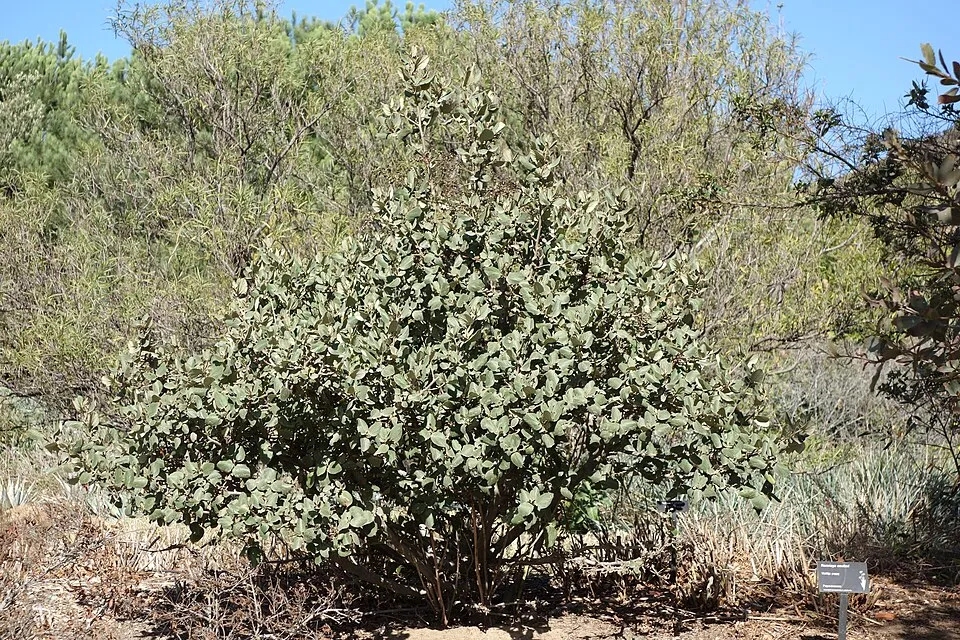
Romneya coulteri, universally recognized as the Coulter's Matilija Poppy or California Tree Poppy, is a majestic perennial shrub indigenous to the sun-drenched landscapes of Southern California and extending into Northern Baja California, Mexico. As a distinguished member of the Papaveraceae family, it shares lineage with other well-known poppies. This magnificent plant commands attention with its extraordinarily large, solitary, and saucer-shaped flowers, which impressively span 4 to 6 inches (10-15 cm) in diameter. Each bloom features luminous, crinkled white petals, often described as having a delicate, tissue-papery texture, elegantly encircling a prominent central boss of vibrant golden-yellow stamens, creating a dramatic visual spectacle.
Blooming predominantly from late spring through summer, its flowering can sporadically continue into the fall, particularly in milder climates or with diligent watering and deadheading. The foliage of Romneya coulteri is equally captivating, presenting deeply lobed and pinnately compound leaves with an attractive silvery-green or bluish-green hue. This distinctive coloration provides a striking contrast to the brilliant white flowers, ensuring year-round aesthetic appeal. The stems, woody at their base, transition to herbaceous and slightly fuzzy towards their tips, capable of reaching impressive heights of 5 to 10 feet (1.5-3 meters) or more, with a similar spread, forming a dense, shrubby habit.
Romneya coulteri is a vigorous grower, known for its ability to spread via robust rhizomes, forming expansive thickets over time. While it is not typically considered invasive within its native range or in well-managed garden settings, its robust nature and remarkable adaptability make it a highly coveted choice for ornamental gardening, excelling particularly in Mediterranean or dry garden styles. The plant is also celebrated for its exceptional resilience, tolerating profound drought conditions once established and thriving in conditions ranging from full sun to partial shade. Its spectacular floral display, attractive foliage, and adaptable nature collectively establish Romneya coulteri as a truly exceptional and sought-after specimen, embodying the wild beauty of California's flora.
Trusted Scientific References
1. Authoritative external sources for Romneya Coulteri
1.1 Wikipedia — Romneya Coulteri
1.2 Kew POWO (Plants of the World Online)
1.3 PubMed — peer-reviewed research
1.4 NCBI Taxonomy Browser
1.5 GBIF — Global Biodiversity
1.1.Romneya Coulteri — Key Features
- ✓ <strong>Botanical Name</strong> — Romneya coulteri
- ✓ <strong>Common Names</strong> — Coulter's Matilija Poppy, California Tree Poppy
- ✓ <strong>Family</strong> — Papaveraceae (Poppy Family)
- ✓ <strong>Native Range</strong> — Southern California, Northern Baja California
- ✓ <strong>Flower Description</strong> — Large (4-6 inch), crinkled white petals surrounding golden stamens
- ✓ <strong>Foliage</strong> — Deeply lobed, pinnately compound, silvery-green to bluish-green leaves
- ✓ <strong>Growth Habit</strong> — Fast-growing perennial shrub, reaching 5-10 feet tall and wide
- ✓ <strong>Soil Preference</strong> — Thrives in poor, rocky, well-draining soils; dislikes rich, heavy soil
- ✓ <strong>Drought Tolerance</strong> — Exceptional drought tolerance once established
- ✓ <strong>Fire Ecology</strong> — Highly adapted to fire, often regenerating vigorously from rhizomes post-fire
- ✓ <strong>Ornamental Value</strong> — Highly prized for its dramatic floral display in gardens
1.2.Romneya Coulteri — Quick Summary
- ✓ Romneya coulteri is a striking California native perennial, known as Matilija Poppy.
- ✓ Features large, crinkled white flowers with golden centers and silvery-green foliage.
- ✓ Highly drought-tolerant and fire-adapted, thriving in poor, well-draining soils.
- ✓ Primarily valued as an ornamental garden plant, spreading via rhizomes.
- ✓ Belongs to the Papaveraceae family, implying potential alkaloid content, but specific medicinal uses are undocumented.
- ✓ Requires aggressive annual pruning for optimal vigor and bloom production.
2.Romneya Coulteri — Scientific Identity
3.Romneya Coulteri — Quick Facts
4.Romneya Coulteri — Appearance & Identification
5.Romneya Coulteri — Native Habitat
6.Romneya Coulteri — Water Requirements
- ✓ Soil Preference — Thrives in very poor, rocky, sandy, or gravely, well-draining soils; avoids rich, heavy, or waterlogged conditions.
- ✓ Light Requirements — Prefers full sun exposure but can tolerate partial shade, especially in hotter inland climates.
- ✓ Watering — Highly drought-tolerant once established; requires infrequent, deep watering, particularly during prolonged dry periods.
- ✓ Pruning — Benefits from aggressive cutting back to 2-4 inches from the ground in late fall or early winter to encourage vigorous new spring growth and abundant blooms.
- ✓ Propagation — Primarily propagated by rhizome division in fall or early spring; seeds can be challenging to germinate and may require fire scarification or cold stratification.
- ✓ Climate & Hardiness — Best suited for Mediterranean climates, hardy in USDA Zones 7-10, tolerating mild frosts.
- ✓ Spacing — Given its rhizomatous spread, allow ample space (5-10 feet) to accommodate its mature size and natural expansion.
- ✓ Pest & Disease Resistance — Generally robust and resistant to most common garden pests and diseases when grown in suitable conditions.
Reviewed by the Flora Medical Global Botanical Review Panel
Multi-disciplinary editorial group · Botany · Ethnobotany · Herbal-medicine literature
Who reviewed this: This page was checked by the Flora Medical Global Botanical Review Panel — an in-house editorial group of botany graduates, ethnobotany researchers, and horticulture practitioners who collectively maintain our 7,000+ plant encyclopedia. Meet the team.
Our 4-step verification process
1. Taxonomic verification
Scientific names and synonyms cross-checked against Kew POWO, World Flora Online, and The Plant List.
2. Phytochemical & medicinal cross-reference
Active compounds, traditional uses, and reported activities are cross-referenced with PubMed, USDA Dr. Duke's database, and peer-reviewed ethnobotanical literature.
3. Conservation & distribution check
Distribution, ecology, and conservation status confirmed against GBIF occurrence records and the IUCN Red List.
4. Editorial & safety review
Every entry passes an editorial pass for clarity, originality, and safety notices (toxicity, contraindications, dosage caveats) before publication.
Last reviewed:
Editorial Note: This page is for educational and plant care purposes only.
Written by: Flora Medical Global Editorial Team
Reviewed by: Flora Medical Global Botanical Review Panel
Last Updated: June 15, 2026







Romneya Coulteri — Comments & Community Reviews
Rate this plant