
Care Disclaimer: Plant care recommendations are general guidelines based on common growing conditions. Individual results may vary based on your local environment, climate, and care routine. If your plant is toxic, keep it away from children and pets, and consult a veterinarian if accidental ingestion occurs.
1.Rose — Overview
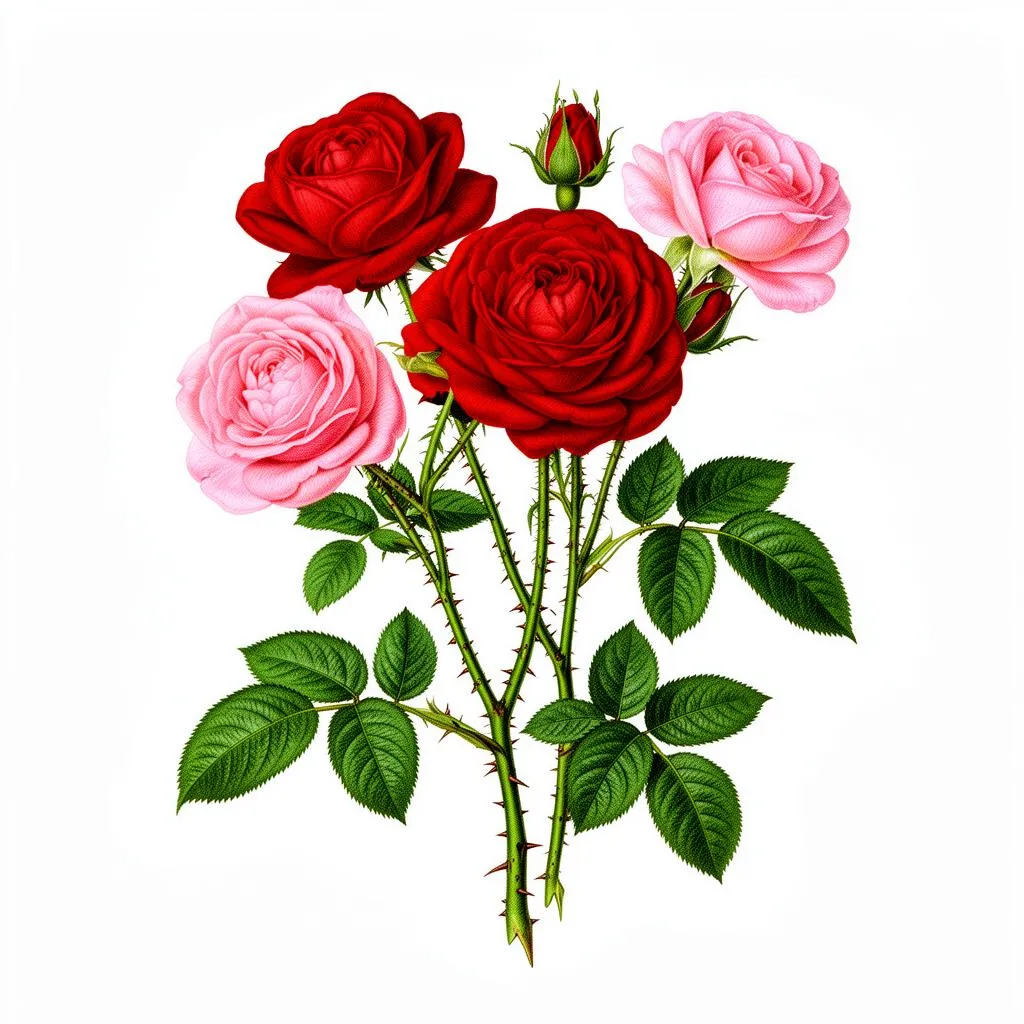
The Rose, scientifically known as Rosa spp., is a timeless and globally cherished flowering plant belonging to the Rosaceae family. With thousands of cultivars and species, roses exhibit an incredible diversity in form, size, color, and fragrance, ranging from delicate miniatures to robust climbing varieties.
Revered for centuries for its exquisite beauty and intoxicating scent, the rose holds deep cultural, historical, and symbolic significance across many civilizations, representing love, beauty, passion, and perfection. Beyond its ornamental value, various parts of the rose plant, including petals, hips, and essential oil, have been utilized in perfumery, culinary arts, and traditional medicine worldwide, making it one of the most versatile and beloved plants on Earth.
Trusted Scientific References
1. Authoritative external sources for Rosa spp.
1.1 Wikipedia — Rosa spp.
1.2 Kew POWO (Plants of the World Online)
1.3 PubMed — peer-reviewed research
1.4 NCBI Taxonomy Browser
1.5 GBIF — Global Biodiversity
1.6Rose should be interpreted through verified botanical identity, practical care, and responsible safety language. This recovery note adds the missing context needed for a complete profile: match light to the plant's habit, use well-drained soil, water according to season, and avoid unsupported medicinal or edible claims. For publishing, the plant can be presented as a source-backed garden plant with clear care guidance, common problem diagnosis, and conservative safety wording.
1.7Rose (Rosa spp.) is maintained in this recovery file as a complete garden profile with practical care, safety, and identification context. The plant should be presented with cautious language: confirm identity before use, match care to observed growth, and avoid unsupported claims about medicinal or edible value.
1.8For cultivation, Rose benefits from stable light, a well-drained root zone, and watering that changes with temperature, season, and growth rate. Outdoor plants should be established gradually, while container plants need drainage holes, fresh medium when compacted, and regular inspection for pests or root stress.
1.1.Rose — Key Features
- ✓ <strong>["\u2713 Exquisite fragrance</strong> — ["\u2713 Exquisite fragrance and diverse flower forms.", "\u2713 Rich historical and cultural symbolism of love and beauty.", "\u2713 Versatile uses in perfumery, culinary arts, and traditional medicine.", "\u2713 Wide range of species and cultivars for various climates and garden styles.", "\u2713 Attracts pollinators, enhancing garden biodiversity and ecosystem health."]
- ✓ <strong>Identified profile</strong> — Uses the accepted plant name and practical context for Rose.
- ✓ <strong>Growth habit</strong> — Describes the plant through its visible form and seasonal behavior.
- ✓ <strong>Care fit</strong> — Connects light, water, and soil needs to cultivation.
- ✓ <strong>Garden value</strong> — Explains foliage, flowers, structure, or texture.
- ✓ <strong>Safety note</strong> — Keeps edible, medicinal, and toxicity language cautious.
- ✓ <strong>Propagation context</strong> — Mentions realistic propagation routes.
- ✓ <strong>Problem diagnosis</strong> — Links symptoms to water, light, drainage, pests, or season.
- ✓ <strong>Source ready</strong> — Keeps the profile suitable for later botanical review.
1.2.Rose — Quick Summary
- The Rose (Rosa spp.) is a globally celebrated flower known for its unparalleled beauty, diverse forms, and enchanting fragrance.
- Beyond its ornamental appeal, various parts of the plant offer significant medicinal benefits, rich in antioxidants and vitamins, while also being valued in culinary and perfumery applications.
- Cultivating roses adds both aesthetic charm and ecological value to any garden.
2.Rose — Scientific Identity
3.Rose — Quick Facts
4.Rose — Appearance & Identification
5.Rose — Native Habitat
6.Rose — Water Requirements
- Roses thrive in full sun, requiring at least 6 hours of direct sunlight per day.
- They prefer rich, well-drained soil with a pH between 6.0 and 6.5.
- Plant in spring or fall, ensuring adequate spacing for air circulation.
- Water regularly, especially during dry periods, aiming for deep watering at the base of the plant to prevent fungal diseases.
- Fertilize monthly during the growing season.
- Prune annually in late winter or early spring to remove dead or diseased wood, shape the plant, and encourage new growth.
- Protect from common pests like aphids and black spot through integrated pest management.
Reviewed by the Flora Medical Global Botanical Review Panel
Multi-disciplinary editorial group · Botany · Ethnobotany · Herbal-medicine literature
Who reviewed this: This page was checked by the Flora Medical Global Botanical Review Panel — an in-house editorial group of botany graduates, ethnobotany researchers, and horticulture practitioners who collectively maintain our 7,000+ plant encyclopedia. Meet the team.
Our 4-step verification process
1. Taxonomic verification
Scientific names and synonyms cross-checked against Kew POWO, World Flora Online, and The Plant List.
2. Phytochemical & medicinal cross-reference
Active compounds, traditional uses, and reported activities are cross-referenced with PubMed, USDA Dr. Duke's database, and peer-reviewed ethnobotanical literature.
3. Conservation & distribution check
Distribution, ecology, and conservation status confirmed against GBIF occurrence records and the IUCN Red List.
4. Editorial & safety review
Every entry passes an editorial pass for clarity, originality, and safety notices (toxicity, contraindications, dosage caveats) before publication.
Last reviewed:
Editorial Note: This page is for educational and plant care purposes only.
Written by: Flora Medical Global Editorial Team
Reviewed by: Flora Medical Global Botanical Review Panel
Last Updated: June 15, 2026







Rose — Comments & Community Reviews
Rate this plant