
Care Disclaimer: Plant care recommendations are general guidelines based on common growing conditions. Individual results may vary based on your local environment, climate, and care routine. If your plant is toxic, keep it away from children and pets, and consult a veterinarian if accidental ingestion occurs.
1.Rose Miniature — Overview
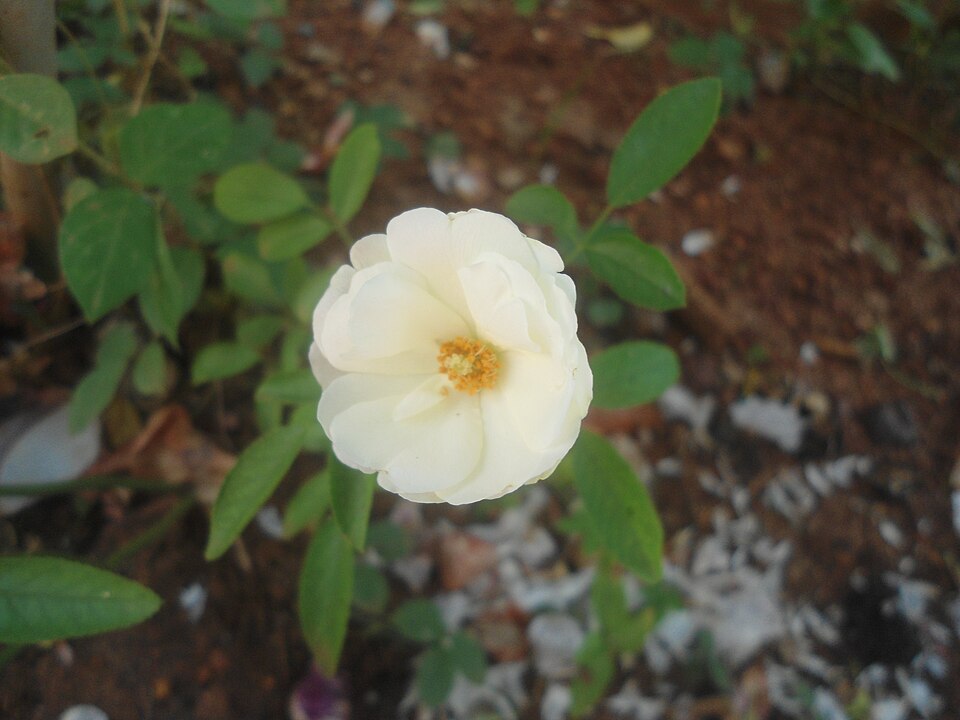
The Miniature Rose, scientifically known as Rosa miniature, represents a delightful and highly cultivated subgroup within the extensive Rosa genus, belonging to the Rosaceae family. These charming plants are celebrated for their exceptionally compact stature, typically reaching no more than 2 feet (60 cm) in height, making them an ideal choice for diverse gardening applications where space is at a premium. Unlike their larger shrub or climbing relatives, their diminutive size enhances their ornamental appeal, enabling gardeners to craft intricate and vibrant displays in containers, window boxes, and small garden borders. Miniature roses are complex hybrids, meticulously bred over generations to encapsulate the classic rose form and often a sweet fragrance within a petite package.
They feature smaller, finer foliage than standard roses, frequently exhibiting a glossy sheen that further emphasizes their delicate nature. The blooms, while proportionally smaller, showcase an impressive spectrum of colors, mirroring the full range found in larger roses—from vibrant reds and soft pinks to sunny yellows, creamy whites, and blushing oranges, often with captivating bi-colored petals. Many varieties enchant with a delightful, characteristic rose scent. These versatile plants thrive in pots, hanging baskets, and as indoor houseplants, provided they receive ample sunlight and attentive care.
Their extended blooming season, spanning from late spring through autumn, ensures a continuous spectacle of beauty. Miniature roses are remarkably resilient, adapting to various conditions, though they prefer well-draining, fertile soil, full sun exposure, and consistent watering. Their manageable size simplifies maintenance, making pruning less daunting than for their larger counterparts, and they bring the grandeur of a rose garden to even the most intimate settings.
Trusted Scientific References
1. Authoritative external sources for Rosa miniature
1.1 Wikipedia — Rosa miniature
1.2 Kew POWO (Plants of the World Online)
1.3 PubMed — peer-reviewed research
1.4 NCBI Taxonomy Browser
1.5 GBIF — Global Biodiversity
1.1.Rose Miniature — Key Features
- ✓ <strong>Compact Growth Habit</strong> — Typically grows under 2 feet (60 cm) in height, perfect for small spaces.
- ✓ <strong>Abundant, Delicate Blooms</strong> — Produces numerous small, classic rose-shaped flowers consistently.
- ✓ <strong>Diverse Color Spectrum</strong> — Flowers come in vibrant reds, pinks, yellows, whites, oranges, and bi-colors.
- ✓ <strong>Sweet Fragrance</strong> — Many varieties possess a delightful, characteristic rose scent.
- ✓ <strong>Fine, Glossy Foliage</strong> — Features smaller, often shinier leaves compared to standard roses.
- ✓ <strong>Long Blooming Season</strong> — Offers continuous flowering from late spring through fall.
- ✓ <strong>High Ornamental Value</strong> — Excellent for containers, borders, window boxes, and indoor decoration.
- ✓ <strong>Adaptable and Resilient</strong> — Tolerates various growing conditions with appropriate care.
- ✓ <strong>Rich in Bioactive Compounds</strong> — Contains antioxidants, anti-inflammatory agents, and essential oils common to the Rosa genus.
- ✓ <strong>Low Maintenance Pruning</strong> — Manageable size makes pruning and general care less intensive.
1.2.Rose Miniature — Quick Summary
- ✓ Miniature Rose (Rosa miniature) is a compact, ornamental hybrid celebrated for its delicate, abundant blooms.
- ✓ A member of the Rosaceae family, it shares many beneficial properties with the wider Rosa genus.
- ✓ Valued for its antioxidant, anti-inflammatory, and mood-enhancing characteristics.
- ✓ Rich in polyphenols, vitamins, and fragrant terpenes, supporting skin health and general well-being.
- ✓ Highly versatile in cultivation, ideal for small spaces, and offers diverse cosmetic and subtle culinary uses.
- ✓ Generally safe for external use, but caution is advised for allergies and during pregnancy; prioritize quality sourcing.
2.Rose Miniature — Scientific Identity
3.Rose Miniature — Quick Facts
4.Rose Miniature — Appearance & Identification
5.Rose Miniature — Native Habitat
6.Rose Miniature — Water Requirements
- ✓ Site Selection — Plant Miniature Roses in a location receiving a minimum of 6-8 hours of direct sunlight daily for optimal growth and abundant flowering.
- ✓ Soil Requirements — Ensure well-draining, fertile soil rich in organic matter, with a slightly acidic to neutral pH range of 6.0 to 6.5.
- ✓ Watering — Water deeply and consistently, especially during dry spells, keeping the soil moist but never waterlogged to prevent root rot.
- ✓ Fertilization — Apply a balanced rose-specific fertilizer every 4-6 weeks throughout the active growing season to support vigorous growth and continuous blooming.
- ✓ Pruning — Conduct annual pruning in late winter or early spring to remove dead, diseased, or weak canes, shape the plant, and encourage healthy new shoots. Deadhead spent blooms regularly to promote further flowering.
- ✓ Pest and Disease Management — Regularly inspect plants for common rose pests like aphids and spider mites, and fungal diseases such as black spot and powdery mildew; address issues promptly using appropriate organic or chemical treatments.
- ✓ Container Growing — For potted Miniature Roses, use containers with adequate drainage holes and a high-quality potting mix, ensuring sufficient space for root development.
- ✓ Winter Protection — In colder climates, provide winter protection by mulching heavily around the base of outdoor plants or moving containerized roses to a sheltered, unheated area.
Reviewed by the Flora Medical Global Botanical Review Panel
Multi-disciplinary editorial group · Botany · Ethnobotany · Herbal-medicine literature
Who reviewed this: This page was checked by the Flora Medical Global Botanical Review Panel — an in-house editorial group of botany graduates, ethnobotany researchers, and horticulture practitioners who collectively maintain our 7,000+ plant encyclopedia. Meet the team.
Our 4-step verification process
1. Taxonomic verification
Scientific names and synonyms cross-checked against Kew POWO, World Flora Online, and The Plant List.
2. Phytochemical & medicinal cross-reference
Active compounds, traditional uses, and reported activities are cross-referenced with PubMed, USDA Dr. Duke's database, and peer-reviewed ethnobotanical literature.
3. Conservation & distribution check
Distribution, ecology, and conservation status confirmed against GBIF occurrence records and the IUCN Red List.
4. Editorial & safety review
Every entry passes an editorial pass for clarity, originality, and safety notices (toxicity, contraindications, dosage caveats) before publication.
Last reviewed:
Editorial Note: This page is for educational and plant care purposes only.
Written by: Flora Medical Global Editorial Team
Reviewed by: Flora Medical Global Botanical Review Panel
Last Updated: June 15, 2026







Rose Miniature — Comments & Community Reviews
Rate this plant