
Care Disclaimer: Plant care recommendations are general guidelines based on common growing conditions. Individual results may vary based on your local environment, climate, and care routine. If your plant is toxic, keep it away from children and pets, and consult a veterinarian if accidental ingestion occurs.
1.Rose Shrub — Overview
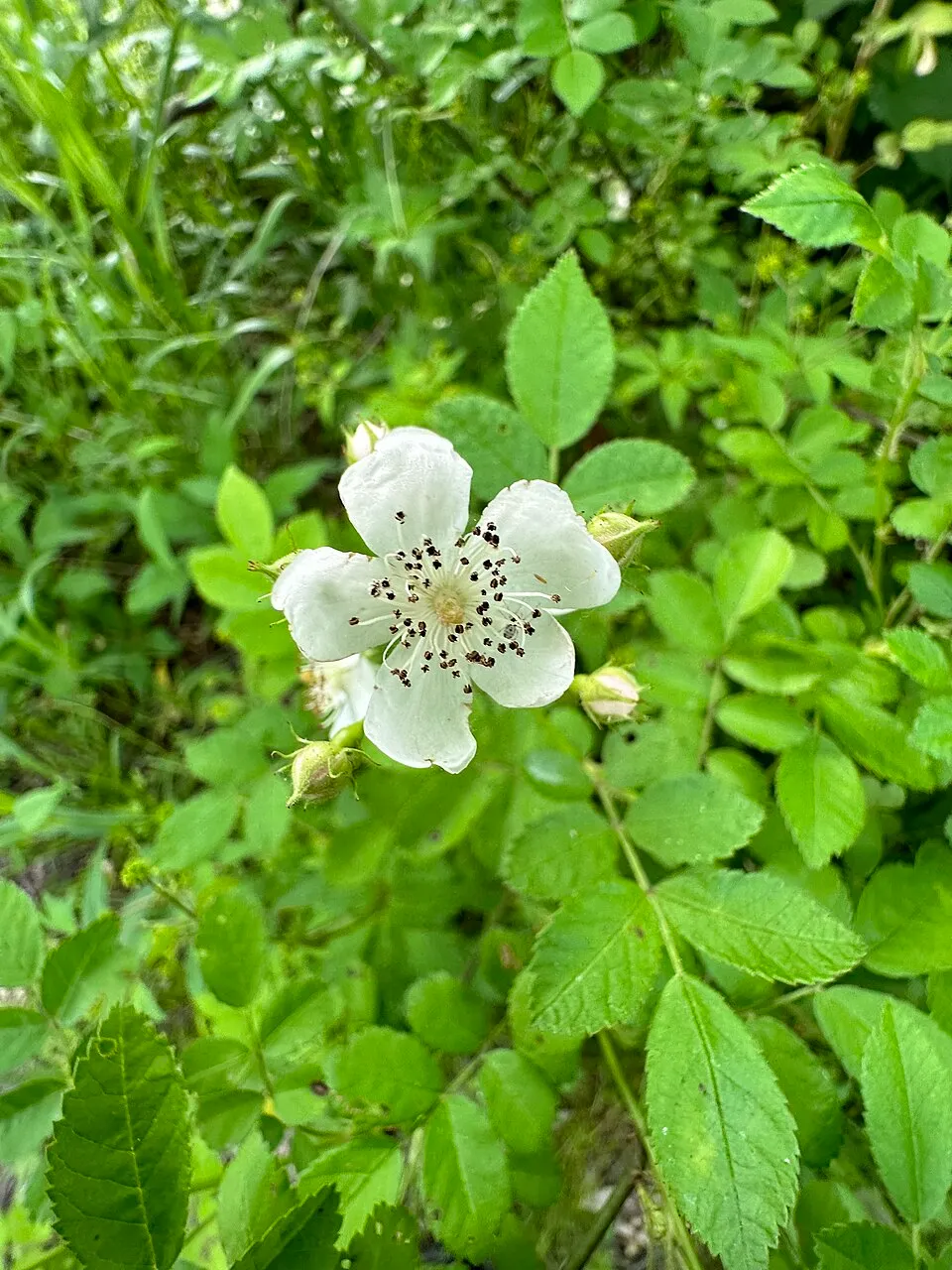
The Rose shrub, botanically known as Rosa spp., is a cherished woody perennial flowering plant belonging to the expansive Rosaceae family. This genus encompasses thousands of diverse cultivars, ranging from compact miniature roses to sprawling climbers, all characterized by their often fragrant blooms and thorny stems. Roses are globally celebrated for their aesthetic appeal, cultivated extensively in gardens, parks, and landscapes across various climates.
Morphologically, a typical rose features compound leaves with serrated leaflets, and flowers that can be solitary or borne in clusters, showcasing a rich palette of colors, forms, and petal arrangements. The flowers develop into a fleshy, often red or orange fruit called a rose hip, which is a key botanical feature with significant medicinal value. While many species are native to Asia, Europe, and North America, their adaptability and beauty have led to widespread cultivation and hybridization, resulting in the vast diversity seen today.
The thorns, technically prickles, serve as a defense mechanism against herbivores, reflecting the plant's ancient and protective nature. Beyond their ornamental value, various parts of the Rose shrub, particularly the petals and hips, have been utilized for centuries in traditional medicine and culinary practices.
Trusted Scientific References
1. Authoritative external sources for Rosa shrub
1.1 Wikipedia — Rosa shrub
1.2 Kew POWO (Plants of the World Online)
1.3 PubMed — peer-reviewed research
1.4 NCBI Taxonomy Browser
1.5 GBIF — Global Biodiversity
1.6Rose Shrub should be interpreted through verified botanical identity, practical care, and responsible safety language. This recovery note adds the missing context needed for a complete profile: match light to the plant's habit, use well-drained soil, water according to season, and avoid unsupported medicinal or edible claims. For publishing, the plant can be presented as a source-backed garden plant with clear care guidance, common problem diagnosis, and conservative safety wording.
1.1.Rose Shrub — Key Features
- ✓ <strong>Rich in Vitamin C</strong> — Rose hips are among the highest natural sources of ascorbic acid, vital for immune health.
- ✓ <strong>Potent Antioxidant Profile</strong> — Contains flavonoids, anthocyanins, and carotenoids that combat oxidative stress.
- ✓ <strong>Anti</strong> — inflammatory Properties — Effective in reducing inflammation both internally and externally due to terpenes and phenolic compounds.
- ✓ <strong>Aromatic and Calming</strong> — Rose essential oil is widely used in aromatherapy for its soothing, anxiolytic, and mood-uplifting effects.
- ✓ <strong>Skin Rejuvenation</strong> — Known for its astringent, antiseptic, and hydrating qualities, beneficial for various skin conditions.
- ✓ <strong>Digestive Aid</strong> — Supports gut health, aids digestion, and can alleviate mild constipation and bloating.
- ✓ <strong>Traditional Medicinal History</strong> — Valued for millennia in Ayurvedic, TCM, and Western herbal traditions for diverse ailments.
- ✓ <strong>Adaptogenic</strong> — like Qualities — Considered a 'rasayana' in Ayurveda, suggesting rejuvenative and balancing effects on the body and mind.
- ✓ <strong>Versatile Usage</strong> — Utilized in teas, oils, tinctures, culinary dishes, and topical applications.
- ✓ <strong>Symbolic and Cultural Significance</strong> — Revered globally as a symbol of love, beauty, and protection.
1.2.Rose Shrub — Quick Summary
- ✓ Rose (Rosa spp.) is a versatile plant renowned for its beauty and significant medicinal properties.
- ✓ Rose hips are a powerhouse of Vitamin C and antioxidants, boosting immunity and overall vitality.
- ✓ Rose petals and essential oil offer anti-inflammatory, calming, and skin-healing benefits.
- ✓ Historically used across cultures for digestive aid, mood elevation, and reproductive health.
- ✓ Essential for immune support, skin care, and emotional well-being, with proper usage and safety considerations.
- ✓ Cultivation requires ample sunlight, well-drained soil, and consistent care for optimal growth and bloom.
2.Rose Shrub — Scientific Identity
3.Rose Shrub — Quick Facts
4.Rose Shrub — Appearance & Identification
5.Rose Shrub — Native Habitat
6.Rose Shrub — Water Requirements
- ✓ Sunlight — Ensure at least 6-8 hours of direct, unfiltered sunlight daily for robust growth and abundant flowering; partial shade may be tolerated in very hot climates but can reduce bloom quality.
- ✓ Soil Requirements — Plant in well-drained, fertile loamy soil with a slightly acidic to neutral pH (6.0-7.0); amend heavy clay or sandy soils generously with organic matter like compost to improve structure and nutrient retention.
- ✓ Watering — Provide consistent, deep watering, especially during dry periods and active growth phases; water at the base of the plant to keep foliage dry, which helps prevent fungal diseases.
- ✓ Pruning — Regular pruning is crucial for plant health, shape, and continuous bloom production; remove dead, diseased, or crossing branches, and deadhead spent flowers to encourage new flushes.
- ✓ Fertilization — Feed roses with a balanced, slow-release granular fertilizer or a specialized rose food in early spring and again after the first major flush of blooms, strictly following product instructions.
- ✓ Pest and Disease Management — Monitor plants diligently for common pests like aphids, spider mites, and thrips, and diseases such as black spot and powdery mildew; employ integrated pest management strategies, using organic or targeted chemical controls as necessary.
- ✓ Propagation — Roses can be propagated through various methods including stem cuttings, budding, grafting, or from seeds (for species roses), with cuttings being a common approach for many cultivars.
- ✓ Air Circulation — Ensure good air circulation around plants by proper spacing and pruning to minimize fungal disease risk.
Reviewed by the Flora Medical Global Botanical Review Panel
Multi-disciplinary editorial group · Botany · Ethnobotany · Herbal-medicine literature
Who reviewed this: This page was checked by the Flora Medical Global Botanical Review Panel — an in-house editorial group of botany graduates, ethnobotany researchers, and horticulture practitioners who collectively maintain our 7,000+ plant encyclopedia. Meet the team.
Our 4-step verification process
1. Taxonomic verification
Scientific names and synonyms cross-checked against Kew POWO, World Flora Online, and The Plant List.
2. Phytochemical & medicinal cross-reference
Active compounds, traditional uses, and reported activities are cross-referenced with PubMed, USDA Dr. Duke's database, and peer-reviewed ethnobotanical literature.
3. Conservation & distribution check
Distribution, ecology, and conservation status confirmed against GBIF occurrence records and the IUCN Red List.
4. Editorial & safety review
Every entry passes an editorial pass for clarity, originality, and safety notices (toxicity, contraindications, dosage caveats) before publication.
Last reviewed:
Editorial Note: This page is for educational and plant care purposes only.
Written by: Flora Medical Global Editorial Team
Reviewed by: Flora Medical Global Botanical Review Panel
Last Updated: June 15, 2026







Rose Shrub — Comments & Community Reviews
Rate this plant