
Care Disclaimer: Plant care recommendations are general guidelines based on common growing conditions. Individual results may vary based on your local environment, climate, and care routine. If your plant is toxic, keep it away from children and pets, and consult a veterinarian if accidental ingestion occurs.
1.Schima Wallichii — Overview
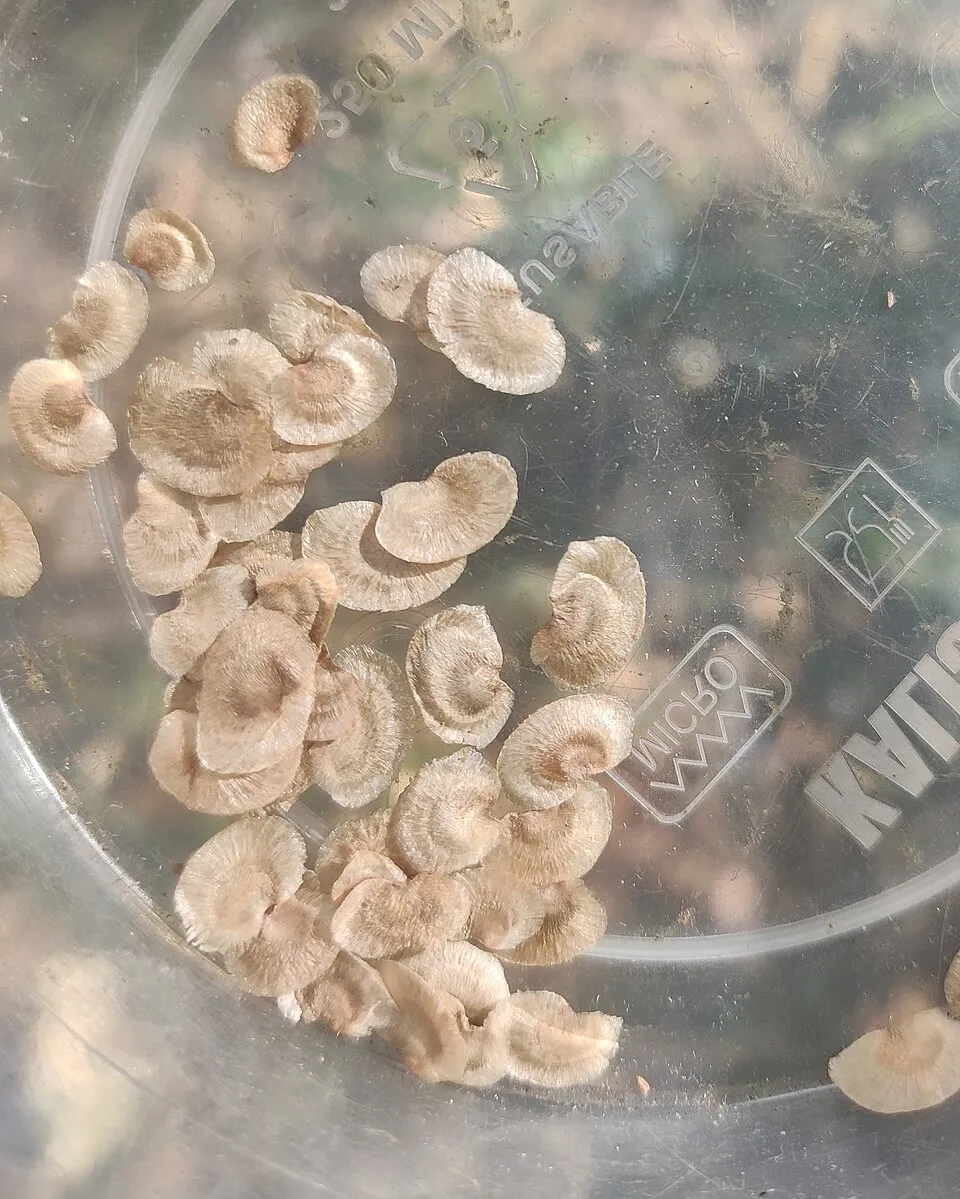
Schima wallichii, commonly known as Gugertree or Needlewood, is an imposing evergreen tree within the Theaceae family, indigenous to the vast Himalayan region and extending across Southeast Asia. This magnificent species typically attains heights of 30 to 40 meters, characterized by a robust, often buttressed trunk that can span up to 1.5 meters in diameter, supporting a dense, rounded canopy. Its distinctive reddish-brown bark is deeply fissured and frequently exfoliates in irregular plates, contributing to its rugged aesthetic. The foliage comprises simple, alternate, leathery leaves, oblong-lanceolate in form, generally measuring 8-15 cm in length and 3-5 cm in width.
These leaves present a glossy dark green on the upper surface and a paler hue beneath, often featuring finely serrated margins. Young leaves may exhibit a subtle reddish tint. The tree produces attractive, fragrant flowers, creamy-white to pale yellow, cup-shaped, and typically 2-3 cm across. These blossoms emerge in axillary or terminal clusters, usually from late spring to early summer, serving as a magnet for various pollinators.
Post-pollination, the tree develops woody, globose capsules, approximately 1.5-2 cm in diameter. These capsules mature and dehisce into 4-5 valves, releasing numerous small, flattened, winged seeds dispersed by wind. Schima wallichii is a vital component of subtropical and tropical evergreen forests, valued for its ecological significance, ornamental qualities, durable timber, and established traditional medicinal applications across its native range.
Trusted Scientific References
1. Authoritative external sources for Schima wallichii
1.1 Wikipedia — Schima wallichii
1.2 Kew POWO (Plants of the World Online)
1.3 PubMed — peer-reviewed research
1.4 NCBI Taxonomy Browser
1.5 GBIF — Global Biodiversity
1.6Schima Wallichii should be interpreted through verified botanical identity, practical care, and responsible safety language. This recovery note adds the missing context needed for a complete profile: match light to the plant's habit, use well-drained soil, water according to season, and avoid unsupported medicinal or edible claims. For publishing, the plant can be presented as a source-backed garden plant with clear care guidance, common problem diagnosis, and conservative safety wording.
1.1.Schima Wallichii — Key Features
- ✓ <strong>Evergreen Tree</strong> — Large, majestic evergreen species.
- ✓ <strong>Theaceae Family</strong> — Member of the tea family.
- ✓ <strong>Native Range</strong> — Himalayas and Southeast Asia.
- ✓ <strong>Distinctive Bark</strong> — Reddish-brown, fissured, exfoliating plates.
- ✓ <strong>Leathery Leaves</strong> — Oblong-lanceolate, glossy dark green.
- ✓ <strong>Fragrant Flowers</strong> — Creamy-white to pale yellow, cup-shaped.
- ✓ <strong>Woody Capsules</strong> — Globose fruits with winged seeds.
- ✓ <strong>Astringent Bark</strong> — Primary medicinal property.
- ✓ <strong>Timber Value</strong> — Highly valued for durable wood.
- ✓ <strong>Pioneer Species</strong> — Used in reforestation and as a shade tree.
1.2.Schima Wallichii — Quick Summary
- ✓ Majestic evergreen tree native to Himalayas and SE Asia.
- ✓ Bark highly valued in traditional medicine for astringent properties.
- ✓ Used for wound healing, skin ailments, and anti-inflammatory effects.
- ✓ Contains potent tannins and toxic alkaloids (fish poison).
- ✓ Cultivated for timber, shade, and reforestation efforts.
- ✓ Strict safety warnings against internal use due to toxicity.
2.Schima Wallichii — Scientific Identity
3.Schima Wallichii — Quick Facts
4.Schima Wallichii — Appearance & Identification
5.Schima Wallichii — Native Habitat
6.Schima Wallichii — Water Requirements
- ✓ Climate Preference — Thrives in tropical climates, adaptable to elevations from lowlands up to 2,400 meters, exceptionally tolerating up to 3,900 meters.
- ✓ Temperature Range — Withstands mean coldest month temperatures of 0-5°C and hottest month temperatures of 37-45°C.
- ✓ Rainfall Requirements — Requires substantial annual rainfall, ranging from 1,400 to 5,000 mm for optimal growth.
- ✓ Soil Adaptability — Succeeds in a broad spectrum of soil types, showing no particular preference for texture or fertility.
- ✓ Drainage and Moisture — While preferring well-drained soils, it has been observed growing in swamps and along rivers, indicating some tolerance to moisture.
- ✓ Light Conditions — Capable of growing in shaded conditions, making it suitable for understory planting or as a pioneer species in reforestation.
- ✓ pH Preference — Prefers a soil pH range of 5.0 to 6.5, but can tolerate slightly acidic conditions down to 4.5 and mildly alkaline up to 7.0.
- ✓ Propagation — Primarily propagated by seeds, which are small, flattened, and winged, dispersed by wind in its natural habitat.
Reviewed by the Flora Medical Global Botanical Review Panel
Multi-disciplinary editorial group · Botany · Ethnobotany · Herbal-medicine literature
Who reviewed this: This page was checked by the Flora Medical Global Botanical Review Panel — an in-house editorial group of botany graduates, ethnobotany researchers, and horticulture practitioners who collectively maintain our 7,000+ plant encyclopedia. Meet the team.
Our 4-step verification process
1. Taxonomic verification
Scientific names and synonyms cross-checked against Kew POWO, World Flora Online, and The Plant List.
2. Phytochemical & medicinal cross-reference
Active compounds, traditional uses, and reported activities are cross-referenced with PubMed, USDA Dr. Duke's database, and peer-reviewed ethnobotanical literature.
3. Conservation & distribution check
Distribution, ecology, and conservation status confirmed against GBIF occurrence records and the IUCN Red List.
4. Editorial & safety review
Every entry passes an editorial pass for clarity, originality, and safety notices (toxicity, contraindications, dosage caveats) before publication.
Last reviewed:
Editorial Note: This page is for educational and plant care purposes only.
Written by: Flora Medical Global Editorial Team
Reviewed by: Flora Medical Global Botanical Review Panel
Last Updated: June 15, 2026







Schima Wallichii — Comments & Community Reviews
Rate this plant