

Care Disclaimer: Plant care recommendations are general guidelines based on common growing conditions. Individual results may vary based on your local environment, climate, and care routine. If your plant is toxic, keep it away from children and pets, and consult a veterinarian if accidental ingestion occurs.
1.Torenia — Overview
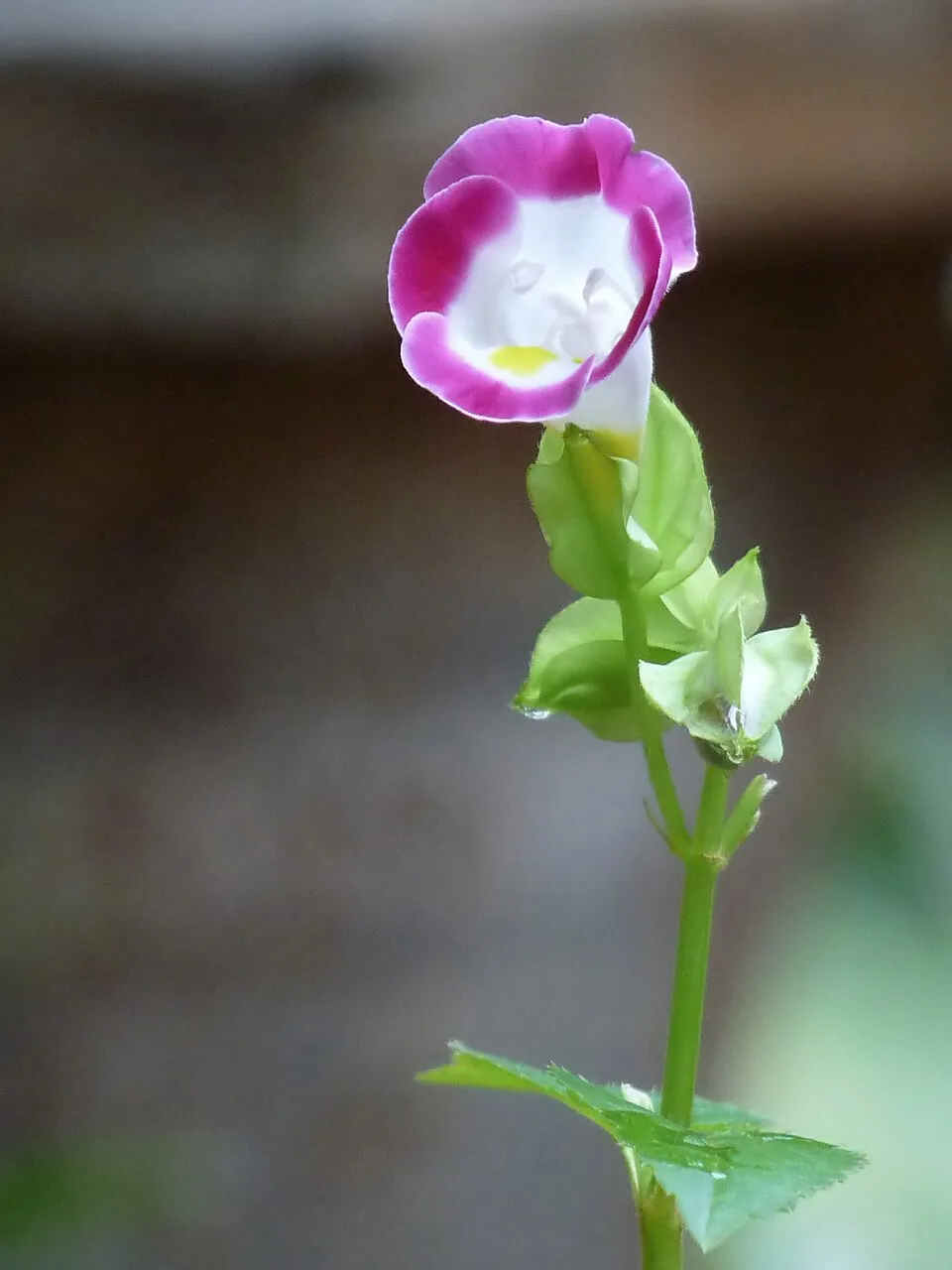
Torenia fournieri, widely known as the Wishbone Flower, Clown Flower, Summer Pansy, or Bluewings, is a captivating annual flowering plant belonging to the Linderniaceae family. Native to Southeast Asia, particularly Vietnam, it is celebrated globally for its prolific and vibrant blooms that resemble pansies.
Morphologically, Torenia fournieri typically forms a compact, bushy mound, though trailing cultivars are also popular for hanging baskets and window boxes. Its distinctive trumpet-shaped flowers, often bicolored, come in a striking array of shades including blues, purples, pinks, whites, and yellows, frequently featuring a contrasting yellow throat.
A unique characteristic, which gives rise to its common name 'Wishbone Flower,' is observed within the flower's throat: two prominent stamens curve and join at their tips, forming a structure reminiscent of a chicken wishbone. These charming blooms appear continuously from late spring until the first frost, making them a reliable source of color throughout the warmer months. While primarily cultivated as an ornamental, Torenia fournieri also plays a minor ecological role by attracting hummingbirds to gardens.
It is typically grown as an annual in most climates, though it can persist as a tender perennial in frost-free USDA Zones 10-11. This species thrives in conditions that mimic its tropical origins, preferring consistent moisture and protection from intense, scorching sun.
Trusted Scientific References
1. Authoritative external sources for Torenia fournieri
1.1 Wikipedia — Torenia fournieri
1.2 Kew POWO (Plants of the World Online)
1.3 PubMed — peer-reviewed research
1.4 NCBI Taxonomy Browser
1.5 GBIF — Global Biodiversity
1.6Torenia should be interpreted through verified botanical identity, practical care, and responsible safety language. This recovery note adds the missing context needed for a complete profile: match light to the plant's habit, use well-drained soil, water according to season, and avoid unsupported medicinal or edible claims. For publishing, the plant can be presented as a source-backed garden plant with clear care guidance, common problem diagnosis, and conservative safety wording.
1.1.Torenia — Key Features
- ✓ <strong>Botanical Name</strong> — Torenia fournieri.
- ✓ <strong>Common Names</strong> — Wishbone Flower, Summer Pansy, Clown Flower, Bluewings.
- ✓ <strong>Family</strong> — Linderniaceae.
- ✓ <strong>Bloom Time</strong> — Late spring through first frost.
- ✓ <strong>Flower Colors</strong> — Blue, purple, pink, white, yellow, and bicolors.
- ✓ <strong>Growth Habit</strong> — Compact, mounded, or trailing.
- ✓ <strong>Preferred Exposure</strong> — Partial to full shade.
- ✓ <strong>Special Attraction</strong> — Attracts hummingbirds.
- ✓ <strong>Maintenance</strong> — Low, self-cleaning, no deadheading required.
- ✓ <strong>Primary Use</strong> — Ornamental garden plant for seasonal color.
1.2.Torenia — Quick Summary
- ✓ Torenia fournieri, also known as Wishbone Flower, is a vibrant ornamental annual.
- ✓ Features unique trumpet-shaped, two-toned blooms with distinctive wishbone-like stamens.
- ✓ Primarily cultivated for its aesthetic appeal in gardens, containers, and hanging baskets.
- ✓ Thrives in partial shade with consistently moist, well-draining soil and is heat tolerant.
- ✓ Attracts hummingbirds, is deer resistant, and requires minimal care as it is self-cleaning.
- ✓ Not recognized for significant medicinal benefits in traditional or modern herbalism.
2.Torenia — Scientific Identity
3.Torenia — Quick Facts
4.Torenia — Appearance & Identification
5.Torenia — Native Habitat
6.Torenia — Water Requirements
- ✓ Soil Requirements — Plant Torenia fournieri in rich, loamy soil that offers excellent drainage; amending heavy clay soils with compost or other organic matter is beneficial.
- ✓ Light Exposure — Prefers light to moderate partial shade for optimal performance, especially in hot climates. Can tolerate more sun in cooler northern regions, but deep shade may reduce flowering.
- ✓ Watering — Requires consistently moist soil, but it is crucial to avoid waterlogging. Water when the top inch of soil feels dry to the touch; container plants may need daily watering during hot, dry periods.
- ✓ Fertilization — Incorporate compost or a slow-release granular fertilizer into the soil at planting time. For plants in containers, apply a balanced water-soluble plant food every few weeks during the growing season.
- ✓ Planting Time — Sow seeds or transplant young plants in spring after all danger of frost has passed. For mass plantings, space plants approximately 8 to 10 inches apart to ensure adequate air circulation.
- ✓ Propagation — While many newer hybrids are sterile, certain varieties can be grown from seed indoors 8 to 10 weeks before the last frost. Seeds require light to germinate and should be kept at around 70°F in moist soil.
- ✓ Pruning & Deadheading — Torenia fournieri is self-cleaning, so deadheading is not strictly necessary. However, if plants become leggy, shearing them back by about half can encourage bushier growth and a fresh flush of blooms.
- ✓ Pest & Disease Management — Watch for fungal diseases like powdery mildew and root rot, often caused by overwatering or poor air circulation. Common garden pests such as aphids and whiteflies can also affect plants.
Reviewed by the Flora Medical Global Botanical Review Panel
Multi-disciplinary editorial group · Botany · Ethnobotany · Herbal-medicine literature
Who reviewed this: This page was checked by the Flora Medical Global Botanical Review Panel — an in-house editorial group of botany graduates, ethnobotany researchers, and horticulture practitioners who collectively maintain our 7,000+ plant encyclopedia. Meet the team.
Our 4-step verification process
1. Taxonomic verification
Scientific names and synonyms cross-checked against Kew POWO, World Flora Online, and The Plant List.
2. Phytochemical & medicinal cross-reference
Active compounds, traditional uses, and reported activities are cross-referenced with PubMed, USDA Dr. Duke's database, and peer-reviewed ethnobotanical literature.
3. Conservation & distribution check
Distribution, ecology, and conservation status confirmed against GBIF occurrence records and the IUCN Red List.
4. Editorial & safety review
Every entry passes an editorial pass for clarity, originality, and safety notices (toxicity, contraindications, dosage caveats) before publication.
Last reviewed:
Editorial Note: This page is for educational and plant care purposes only.
Written by: Flora Medical Global Editorial Team
Reviewed by: Flora Medical Global Botanical Review Panel
Last Updated: June 15, 2026







Torenia — Comments & Community Reviews
Rate this plant