

Care Disclaimer: Plant care recommendations are general guidelines based on common growing conditions. Individual results may vary based on your local environment, climate, and care routine. If your plant is toxic, keep it away from children and pets, and consult a veterinarian if accidental ingestion occurs.
1.Trachelium — Overview
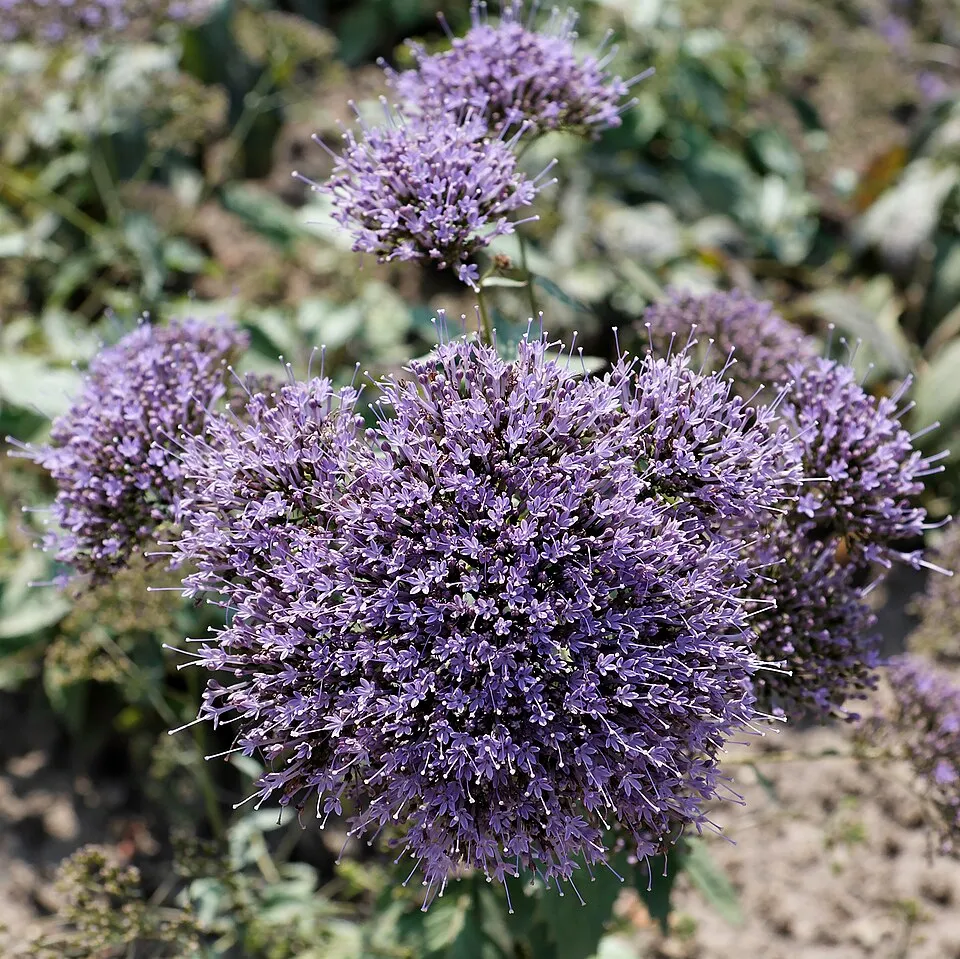
Trachelium caeruleum, commonly known as Blue Throatwort or Blue Lace Flower, is an exquisite member of the Campanulaceae family, highly prized for its ornamental qualities. This tender perennial is often cultivated as an annual in temperate zones, showcasing a robust yet delicate appearance. It forms an upright, bushy mound of vibrant green foliage, from which emerge numerous slender stems.
Each stem culminates in dense, flat-topped corymbs, or umbels, composed of countless tiny, star-shaped florets. These delicate blooms typically display captivating shades of blue, purple, or white, creating a lacy, airy texture that is visually stunning. Native to the rocky crevices and coastal regions of the Mediterranean, Trachelium caeruleum thrives in conditions mimicking its natural habitat—well-drained soil and ample sunlight.
Its natural distribution is primarily confined to Southern Europe and North Africa, but its popularity as a garden plant and a long-lasting cut flower has led to its widespread cultivation globally. The plant's ability to produce continuous blooms throughout the growing season, coupled with its elegant form, makes it a favored choice for garden beds, borders, and particularly for professional florists seeking unique and durable cut flower material. Despite its widespread ornamental use, Trachelium caeruleum is not extensively documented for significant medicinal benefits in traditional or modern herbal practices, its value being almost exclusively decorative.
Trusted Scientific References
1. Authoritative external sources for Trachelium caeruleum
1.1 Wikipedia — Trachelium caeruleum
1.2 Kew POWO (Plants of the World Online)
1.3 PubMed — peer-reviewed research
1.4 NCBI Taxonomy Browser
1.5 GBIF — Global Biodiversity
1.6Trachelium should be interpreted through verified botanical identity, practical care, and responsible safety language. This recovery note adds the missing context needed for a complete profile: match light to the plant's habit, use well-drained soil, water according to season, and avoid unsupported medicinal or edible claims. For publishing, the plant can be presented as a source-backed garden plant with clear care guidance, common problem diagnosis, and conservative safety wording.
1.1.Trachelium — Key Features
- ✓ <strong>Common Names</strong> — Blue Throatwort, Blue Lace Flower, Trachelium.
- ✓ <strong>Botanical Family</strong> — Campanulaceae (Bellflower family).
- ✓ <strong>Flower Appearance</strong> — Dense, flat-topped clusters of tiny, star-shaped florets.
- ✓ <strong>Bloom Colors</strong> — Predominantly shades of blue, purple, and white.
- ✓ <strong>Growth Habit</strong> — Upright, bushy mound, typically reaching 18-36 inches (45-90 cm) tall.
- ✓ <strong>Primary Use</strong> — Highly valued ornamental plant, excellent as a long-lasting cut flower.
- ✓ <strong>Scent</strong> — Some cultivars, like 'Lake Michigan', are noted for a light, delicate fragrance.
- ✓ <strong>Life Cycle</strong> — Half-hardy annual in cooler zones, short-lived perennial in warmer climates (USDA Zones 8+).
- ✓ <strong>Environmental Preference</strong> — Obligate long-day plant, preferring moist, well-drained soil and consistent temperatures.
- ✓ <strong>Pollinator Attraction</strong> — Its numerous small flowers effectively attract beneficial pollinators such as bees and butterflies.
1.2.Trachelium — Quick Summary
- ✓ Trachelium caeruleum, or Blue Lace Flower, is an ornamental gem.
- ✓ Cherished for its delicate, flat-topped clusters of blue, purple, or white flowers.
- ✓ A tender perennial, often grown as an annual, ideal for gardens and cut arrangements.
- ✓ Requires full sun to partial shade and consistently moist, well-drained soil.
- ✓ Lacks documented traditional or modern medicinal applications; primarily decorative.
- ✓ Generally considered low toxicity, intended for horticultural enjoyment.
2.Trachelium — Scientific Identity
3.Trachelium — Quick Facts
4.Trachelium — Appearance & Identification
5.Trachelium — Native Habitat
6.Trachelium — Water Requirements
- ✓ Planting Location — Trachelium caeruleum thrives in full sun to partial shade, requiring at least 6 hours of direct sunlight daily for optimal flowering and robust growth.
- ✓ Soil Requirements — Prefers well-drained, consistently moist soil enriched with organic matter; avoid heavy, saturated conditions to prevent the development of root diseases.
- ✓ Watering Practices — Water frequently to maintain damp soil, especially during dry periods and for young plants, though established plants show some drought tolerance.
- ✓ Spacing and Support — Space plants 6-9 inches apart; one to two layers of netting are highly recommended to provide support, keep plants upright, and ensure straight stems, particularly for cut flower production.
- ✓ Propagation and Timing — Start seeds indoors 8-10 weeks before the last frost or plant hardened-off plugs; optimal growth occurs when days are 60-75°F and nights are 55-65°F.
- ✓ Fertilization and Care — Fertilize regularly with a balanced liquid feed (e.g., 20-10-20) during the active growing season to encourage vigorous growth and abundant flowering.
- ✓ Pinching — Pinching is not strictly necessary; not pinching yields a larger central umbel with several smaller side umbels ('satellites'), while pinching creates more uniform stems and requires wider plant spacing.
- ✓ Pest and Disease Management — Monitor for common insect pests such as aphids, leaf rollers, and thrips; prevent bacterial blight, pythium, phytophthora, and rhizoctonia through proper spacing and well-drained soil.
Reviewed by the Flora Medical Global Botanical Review Panel
Multi-disciplinary editorial group · Botany · Ethnobotany · Herbal-medicine literature
Who reviewed this: This page was checked by the Flora Medical Global Botanical Review Panel — an in-house editorial group of botany graduates, ethnobotany researchers, and horticulture practitioners who collectively maintain our 7,000+ plant encyclopedia. Meet the team.
Our 4-step verification process
1. Taxonomic verification
Scientific names and synonyms cross-checked against Kew POWO, World Flora Online, and The Plant List.
2. Phytochemical & medicinal cross-reference
Active compounds, traditional uses, and reported activities are cross-referenced with PubMed, USDA Dr. Duke's database, and peer-reviewed ethnobotanical literature.
3. Conservation & distribution check
Distribution, ecology, and conservation status confirmed against GBIF occurrence records and the IUCN Red List.
4. Editorial & safety review
Every entry passes an editorial pass for clarity, originality, and safety notices (toxicity, contraindications, dosage caveats) before publication.
Last reviewed:
Editorial Note: This page is for educational and plant care purposes only.
Written by: Flora Medical Global Editorial Team
Reviewed by: Flora Medical Global Botanical Review Panel
Last Updated: June 15, 2026







Trachelium — Comments & Community Reviews
Rate this plant