
Care Disclaimer: Plant care recommendations are general guidelines based on common growing conditions. Individual results may vary based on your local environment, climate, and care routine. If your plant is toxic, keep it away from children and pets, and consult a veterinarian if accidental ingestion occurs.
1.Tradescantia Garden — Overview
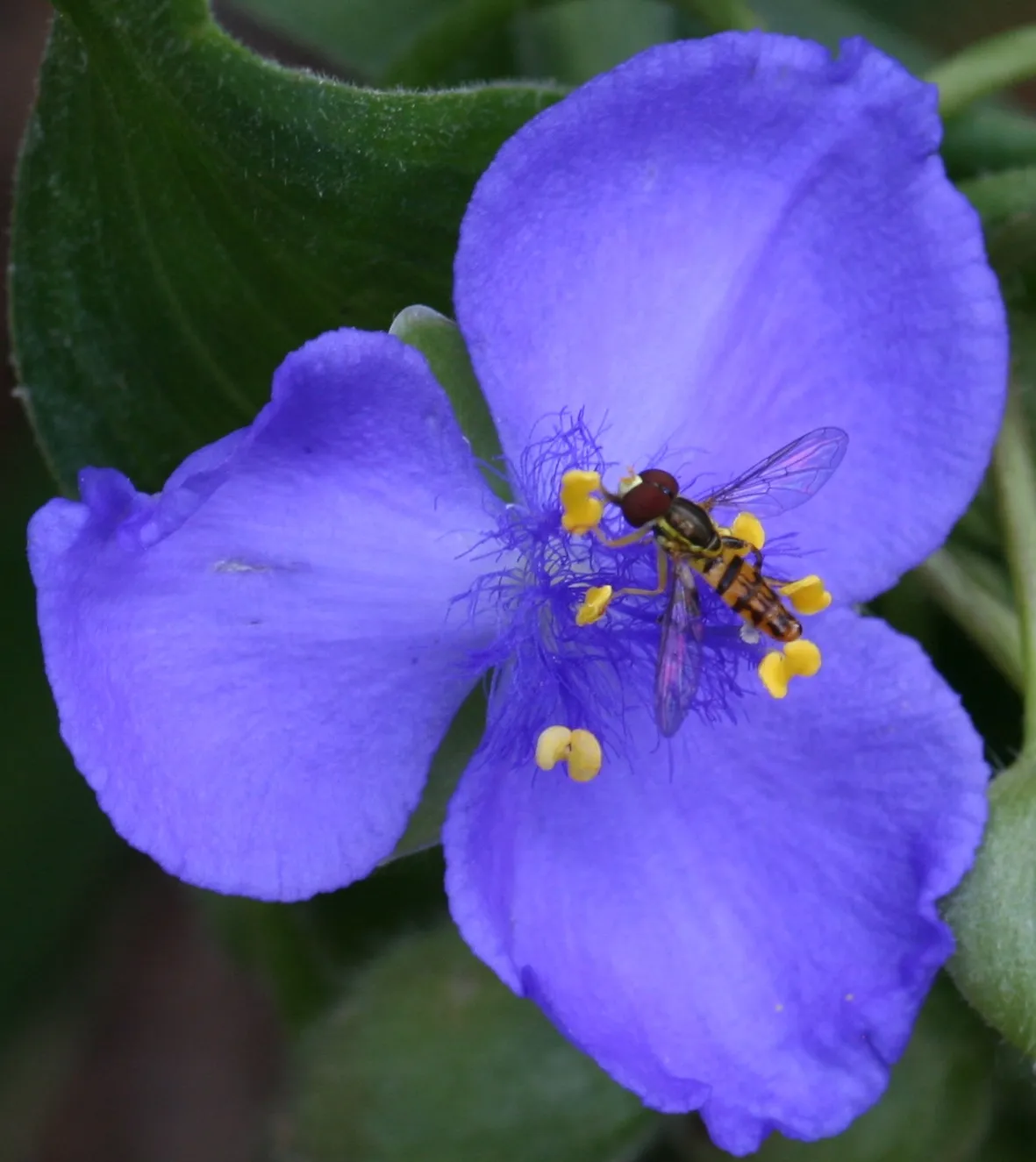
Tradescantia virginiana, commonly known as Virginia Spiderwort, is an enchanting and robust perennial native to the eastern regions of North America. This resilient member of the Commelinaceae family typically forms graceful clumps of arching, linear to lance-shaped leaves, providing a verdant backdrop for its captivating blooms. From late spring through the summer months, it produces delicate, three-petaled flowers, predominantly in striking shades of blue and purple, though white varieties also occur.
These ephemeral blossoms famously open in the morning light and gracefully close by afternoon, each lasting only a single day, yet a continuous succession ensures prolonged visual appeal. Its exceptional hardiness, extended blooming period, and remarkable adaptability to diverse growing conditions make Virginia Spiderwort a highly valued asset in various garden designs, including mixed borders, informal cottage gardens, and naturalized landscapes. While primarily celebrated for its ornamental charm, its historical medicinal applications further underscore its multifaceted significance, distinguishing it from the more tropical Tradescantia species often cultivated as houseplants.
Trusted Scientific References
1. Authoritative external sources for Tradescantia virginiana
1.1 Wikipedia — Tradescantia virginiana
1.2 Kew POWO (Plants of the World Online)
1.3 PubMed — peer-reviewed research
1.4 NCBI Taxonomy Browser
1.5 GBIF — Global Biodiversity
1.6Tradescantia Garden should be interpreted through verified botanical identity, practical care, and responsible safety language. This recovery note adds the missing context needed for a complete profile: match light to the plant's habit, use well-drained soil, water according to season, and avoid unsupported medicinal or edible claims. For publishing, the plant can be presented as a source-backed garden plant with clear care guidance, common problem diagnosis, and conservative safety wording.
1.1.Tradescantia Garden — Key Features
- ✓ <strong>Botanical Name</strong> — Tradescantia virginiana.
- ✓ <strong>Common Names</strong> — Virginia Spiderwort, Common Spiderwort, Widow's Tears, Trinity Flower.
- ✓ <strong>Family</strong> — Commelinaceae.
- ✓ <strong>Native Range</strong> — Eastern North America, spanning from Maine to South Carolina and west to Missouri.
- ✓ <strong>Medicinal Uses</strong> — Primarily topical anti-inflammatory, astringent, and antioxidant properties.
- ✓ <strong>Key Constituents</strong> — Flavonoids, anthocyanins, phenolic acids, saponins, and mucilage.
- ✓ <strong>Flower Color</strong> — Typically blue, purple, or sometimes white, with three distinctive petals.
- ✓ <strong>Bloom Time</strong> — Flowers appear from late spring through the summer months.
- ✓ <strong>Growth Habit</strong> — Forms upright, clumping mounds, typically growing 1 to 3 feet (30-90 cm) tall and wide.
- ✓ <strong>Garden Use</strong> — Excellent for borders, woodland gardens, naturalized areas, and pollinator gardens.
1.2.Tradescantia Garden — Quick Summary
- ✓ Virginia Spiderwort is a hardy perennial native to Eastern North America, valued for its striking blue-purple flowers and ornamental appeal.
- ✓ Traditionally used topically by indigenous peoples for its anti-inflammatory and astringent properties, particularly for skin irritations and insect bites.
- ✓ Rich in beneficial phytochemicals including flavonoids, anthocyanins, and phenolic acids, which contribute to its antioxidant potential.
- ✓ An easy-to-grow garden plant, thriving in moist, well-drained soil under full sun to partial shade conditions.
- ✓ Primarily recommended for external applications like poultices, compresses, or washes due to limited internal safety data.
- ✓ Mildly toxic if ingested, potentially causing skin irritation or digestive upset in sensitive individuals and pets, necessitating careful handling.
2.Tradescantia Garden — Scientific Identity
3.Tradescantia Garden — Quick Facts
4.Tradescantia Garden — Appearance & Identification
5.Tradescantia Garden — Native Habitat
6.Tradescantia Garden — Water Requirements
- ✓ Light Requirements — Thrives in full sun to partial shade; in hotter climates, provide protection from intense afternoon sun to prevent leaf scorch.
- ✓ Soil Preferences — Prefers rich, well-drained, consistently moist soil with an acidic pH between 5.0 and 6.5; adapts well to average garden soils, including clay, provided good drainage.
- ✓ Watering — Requires regular watering to maintain consistent soil moisture, especially during dry spells; avoid both drought stress and waterlogging to prevent root rot.
- ✓ Planting — Plant in spring or fall, spacing individual plants approximately 12 to 18 inches apart to allow for mature clump formation.
- ✓ Fertilization — Apply a balanced, slow-release all-purpose fertilizer in early spring, or amend the soil annually with a thin layer of organic compost.
- ✓ Propagation — Easily propagated by division every few years in spring or fall to rejuvenate plants, or from stem cuttings and seeds.
- ✓ Maintenance — Deadhead spent flowers to encourage continuous blooming and prevent prolific self-seeding; shear back untidy foliage by a third after the main flush of blooms to promote fresh growth and a potential late-season rebloom.
- ✓ Hardiness Zones — Hardy types are suitable for outdoor cultivation in USDA Zones 4-9.
Reviewed by the Flora Medical Global Botanical Review Panel
Multi-disciplinary editorial group · Botany · Ethnobotany · Herbal-medicine literature
Who reviewed this: This page was checked by the Flora Medical Global Botanical Review Panel — an in-house editorial group of botany graduates, ethnobotany researchers, and horticulture practitioners who collectively maintain our 7,000+ plant encyclopedia. Meet the team.
Our 4-step verification process
1. Taxonomic verification
Scientific names and synonyms cross-checked against Kew POWO, World Flora Online, and The Plant List.
2. Phytochemical & medicinal cross-reference
Active compounds, traditional uses, and reported activities are cross-referenced with PubMed, USDA Dr. Duke's database, and peer-reviewed ethnobotanical literature.
3. Conservation & distribution check
Distribution, ecology, and conservation status confirmed against GBIF occurrence records and the IUCN Red List.
4. Editorial & safety review
Every entry passes an editorial pass for clarity, originality, and safety notices (toxicity, contraindications, dosage caveats) before publication.
Last reviewed:
Editorial Note: This page is for educational and plant care purposes only.
Written by: Flora Medical Global Editorial Team
Reviewed by: Flora Medical Global Botanical Review Panel
Last Updated: June 15, 2026







Tradescantia Garden — Comments & Community Reviews
Rate this plant