
Care Disclaimer: Plant care recommendations are general guidelines based on common growing conditions. Individual results may vary based on your local environment, climate, and care routine. If your plant is toxic, keep it away from children and pets, and consult a veterinarian if accidental ingestion occurs.
1.Turnip — Overview
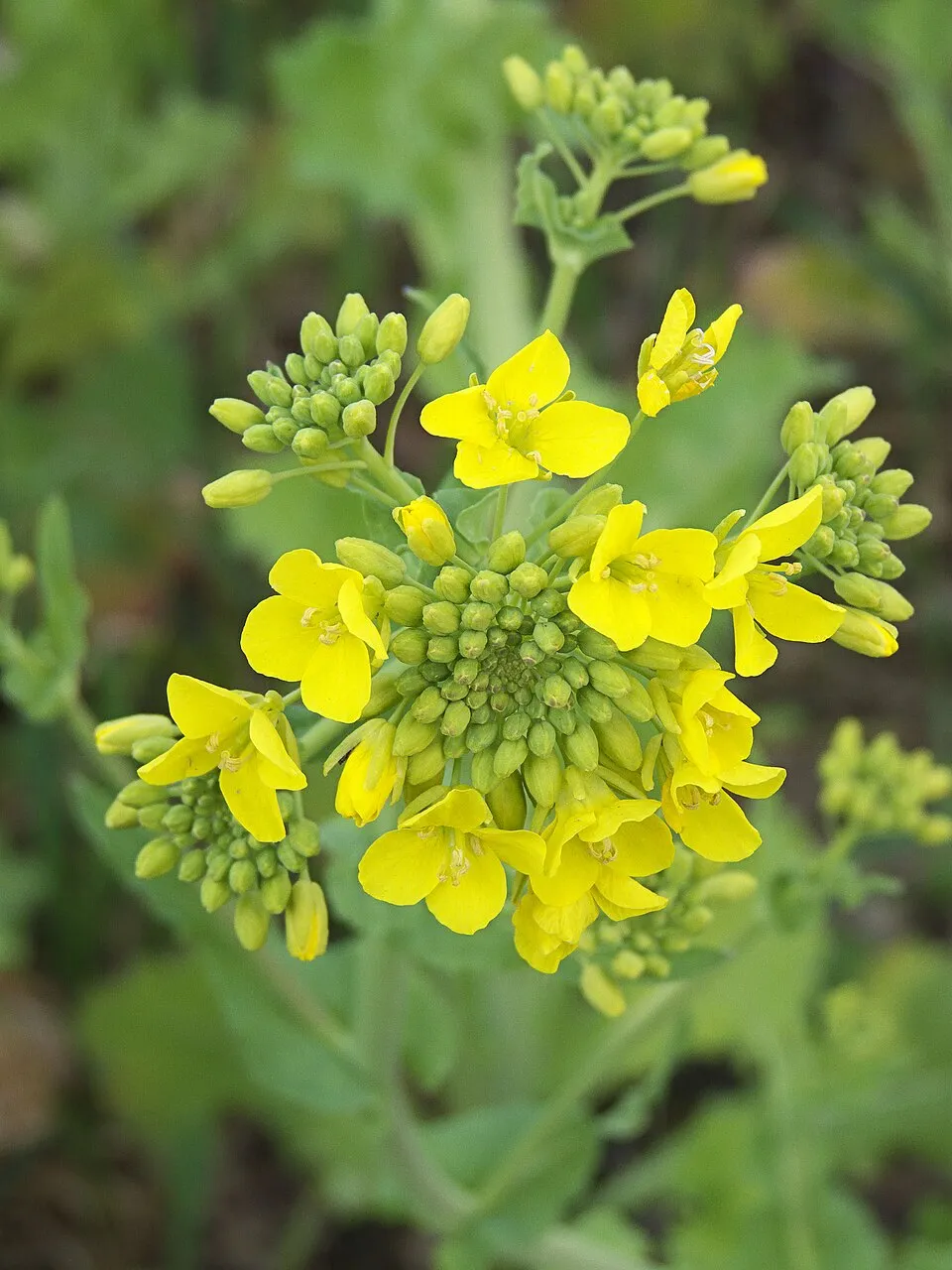
The turnip, scientifically known as Brassica rapa subsp. rapa, is a globally cultivated biennial root vegetable typically grown as an annual. Belonging to the diverse Brassicaceae family, it forms a distinctive rosette of vibrant green leaves above ground and a swollen, fleshy taproot below. This taproot, the primary edible part, is usually white with a purple or green top, though varieties exist with entirely white or red roots.
Its morphology is characterized by deeply lobed or lyrate basal leaves and smaller, entire upper leaves on a flowering stem if allowed to bolt. The plant thrives in temperate climates, preferring cool growing conditions for optimal root development and flavor. While its exact origin is debated, it is believed to have originated in Western Asia or Europe and has been cultivated for thousands of years across various cultures. Taxonomically, it is closely related to other Brassica species, including Chinese cabbage and bok choy, all sharing the Brassica rapa designation but differing in subspecies.
The flavor profile of the turnip root can vary significantly, from sweet and mild in young, white varieties like 'Hakurei' to more pungent and peppery in mature or traditional cooking types, a characteristic often attributed to its glucosinolate content. Its versatility extends beyond the root, as the nutrient-dense turnip greens are also widely consumed.
Trusted Scientific References
1. Authoritative external sources for Brassica rapa
1.1 Wikipedia — Brassica rapa
1.2 Kew POWO (Plants of the World Online)
1.3 PubMed — peer-reviewed research
1.4 NCBI Taxonomy Browser
1.5 GBIF — Global Biodiversity
1.6Turnip should be interpreted through verified botanical identity, practical care, and responsible safety language. This recovery note adds the missing context needed for a complete profile: match light to the plant's habit, use well-drained soil, water according to season, and avoid unsupported medicinal or edible claims. For publishing, the plant can be presented as a source-backed garden plant with clear care guidance, common problem diagnosis, and conservative safety wording.
1.1.Turnip — Key Features
- ✓ <strong>Nutrient</strong> — Dense Root and Greens — Both parts offer a rich profile of vitamins, minerals, and dietary fiber.
- ✓ <strong>Glucosinolate Rich</strong> — Contains compounds that contribute to its unique flavor and health benefits.
- ✓ <strong>Antioxidant Powerhouse</strong> — Packed with compounds that combat oxidative stress.
- ✓ <strong>Anti</strong> — inflammatory Potential — Bioactive compounds help reduce inflammation.
- ✓ <strong>Digestive Aid</strong> — High fiber content supports gut health and regularity.
- ✓ <strong>Immune Booster</strong> — Excellent source of Vitamin C.
- ✓ <strong>Bone Health Supporter</strong> — Turnip greens are high in Vitamin K.
- ✓ <strong>Versatile Culinary Ingredient</strong> — Used raw, cooked, pickled, or juiced in diverse cuisines.
- ✓ <strong>Cool Season Crop</strong> — Thrives in cooler temperatures, making it a staple in temperate regions.
- ✓ <strong>Low Calorie</strong> — A healthy addition to weight management diets.
1.2.Turnip — Quick Summary
- ✓ Turnip (Brassica rapa) is a highly nutritious root vegetable and leafy green.
- ✓ Rich in vitamins (C, K, A), minerals, fiber, and potent antioxidants.
- ✓ Supports immune function, digestive health, bone strength, and detoxification.
- ✓ Contains glucosinolates and isothiocyanates with anti-inflammatory and potential anti-cancer properties.
- ✓ Versatile in culinary uses, from raw salads to cooked dishes.
- ✓ Generally safe, but moderation is advised for individuals on blood thinners or with thyroid issues.
2.Turnip — Scientific Identity
3.Turnip — Quick Facts
4.Turnip — Appearance & Identification
5.Turnip — Native Habitat
6.Turnip — Water Requirements
- ✓ Climate Preference — Turnips thrive in cool weather, ideally maturing in temperatures around 60°F (15°C); hot weather can make roots woody or bitter.
- ✓ Soil Requirements — Prefer well-drained, fertile soil with a pH between 6.0 and 7.5, amended with compost or well-rotted manure to prevent root deformities.
- ✓ Planting Times — Sow seeds 4-6 weeks before the last frost for a spring crop, or in late summer (August 1st in many regions) for a fall/winter harvest; rutabagas require a longer season.
- ✓ Seed Spacing and Depth — Plant seeds 1/2 to 1 inch deep and 1-2 inches apart in rows spaced 12-18 inches apart, covering lightly with soil.
- ✓ Thinning Seedlings — Once seedlings reach 4 inches tall, thin them to 3-6 inches apart for optimal root development; use thinned greens in salads.
- ✓ Watering Regimen — Maintain consistently moist soil, providing about one inch of water per week, as drought stress can lead to bitter or woody roots.
- ✓ Fertilization — Generally, turnips do not require heavy fertilization beyond initial soil amendments; excessive nitrogen can promote leaf growth over root development.
- ✓ Harvesting — Harvest turnip roots when they are 2-4 inches in diameter for best flavor and texture; greens can be harvested continuously by picking outer leaves.
Reviewed by the Flora Medical Global Botanical Review Panel
Multi-disciplinary editorial group · Botany · Ethnobotany · Herbal-medicine literature
Who reviewed this: This page was checked by the Flora Medical Global Botanical Review Panel — an in-house editorial group of botany graduates, ethnobotany researchers, and horticulture practitioners who collectively maintain our 7,000+ plant encyclopedia. Meet the team.
Our 4-step verification process
1. Taxonomic verification
Scientific names and synonyms cross-checked against Kew POWO, World Flora Online, and The Plant List.
2. Phytochemical & medicinal cross-reference
Active compounds, traditional uses, and reported activities are cross-referenced with PubMed, USDA Dr. Duke's database, and peer-reviewed ethnobotanical literature.
3. Conservation & distribution check
Distribution, ecology, and conservation status confirmed against GBIF occurrence records and the IUCN Red List.
4. Editorial & safety review
Every entry passes an editorial pass for clarity, originality, and safety notices (toxicity, contraindications, dosage caveats) before publication.
Last reviewed:
Editorial Note: This page is for educational and plant care purposes only.
Written by: Flora Medical Global Editorial Team
Reviewed by: Flora Medical Global Botanical Review Panel
Last Updated: June 15, 2026







Turnip — Comments & Community Reviews
Rate this plant