

Care Disclaimer: Plant care recommendations are general guidelines based on common growing conditions. Individual results may vary based on your local environment, climate, and care routine. If your plant is toxic, keep it away from children and pets, and consult a veterinarian if accidental ingestion occurs.
1.Zucchini — Overview
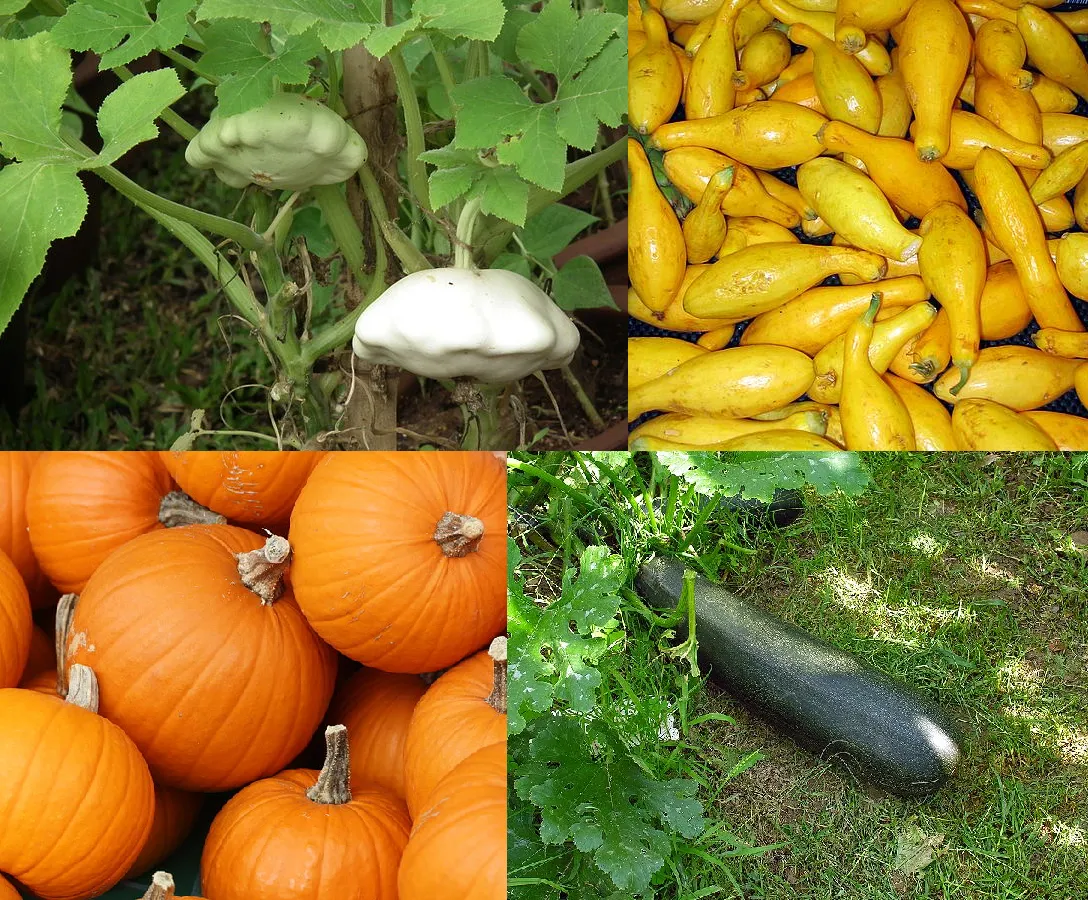
Zucchini, scientifically known as Cucurbita pepo, is a highly popular summer squash variety belonging to the Cucurbitaceae family, which also encompasses pumpkins, gourds, and cucumbers. While botanically a fruit, it is universally utilized as a vegetable in culinary practices. Its genetic origins trace back to the Americas, with modern cultivated varieties primarily developed in Italy during the late 19th century.
The plant typically presents as a vigorous annual, either a sprawling vine reaching up to 5 meters with tendrils for support, or a more compact bush cultivar. It features large, deeply lobed leaves and distinctive bright yellow, trumpet-shaped flowers, with separate male and female blooms. Female flowers mature into the characteristic elongated, cylindrical fruit, which boasts smooth skin ranging from deep green to vibrant yellow or even striped patterns.
The interior flesh is pale green to white, offering a mild, subtly sweet flavor and a tender texture when harvested young. Optimal harvesting occurs when the fruit is approximately 15-25 cm (6-10 inches) long and firm, as overly mature zucchini can become watery with hardened seeds. It thrives in warm temperate to tropical zones, preferring elevations above 500 meters in tropical regions, and is not found growing wild.
Trusted Scientific References
1. Authoritative external sources for Cucurbita pepo
1.1 Wikipedia — Cucurbita pepo
1.2 Kew POWO (Plants of the World Online)
1.3 PubMed — peer-reviewed research
1.4 NCBI Taxonomy Browser
1.5 GBIF — Global Biodiversity
1.6Zucchini should be interpreted through verified botanical identity, practical care, and responsible safety language. This recovery note adds the missing context needed for a complete profile: match light to the plant's habit, use well-drained soil, water according to season, and avoid unsupported medicinal or edible claims. For publishing, the plant can be presented as a source-backed garden plant with clear care guidance, common problem diagnosis, and conservative safety wording.
1.1.Zucchini — Key Features
- ✓ <strong>Botanical Classification</strong> — Botanically a fruit, culinarily treated as a vegetable.
- ✓ <strong>Nutritional Powerhouse</strong> — Rich in Vitamins A, C, and B-vitamins, along with essential minerals like potassium and manganese.
- ✓ <strong>High Water Content</strong> — Comprises over 90% water, promoting hydration and contributing to its low-calorie density.
- ✓ <strong>Dietary Fiber Source</strong> — Provides both soluble and insoluble fiber, beneficial for digestive health and satiety.
- ✓ <strong>Antioxidant Rich</strong> — Contains lutein, zeaxanthin, and beta-carotene, offering protection against oxidative stress.
- ✓ <strong>Versatile Culinary Use</strong> — Can be eaten raw, sautéed, grilled, roasted, baked, or incorporated into various dishes.
- ✓ <strong>Vigorous Growth Habit</strong> — Typically an annual plant, growing as sprawling vines or compact bush varieties.
- ✓ <strong>Edible Flowers</strong> — The bright yellow flowers are also consumed in various cuisines.
- ✓ <strong>Origin and Development</strong> — Native to the Americas, with modern varieties developed in Italy.
- ✓ <strong>Family Member</strong> — Belongs to the Cucurbitaceae family, alongside pumpkins and cucumbers.
1.2.Zucchini — Quick Summary
- ✓ Nutrient-rich, low-calorie summer squash widely used as a culinary vegetable.
- ✓ Excellent source of vitamins (A, C, B-vitamins), minerals (potassium, manganese), fiber, and antioxidants.
- ✓ Supports digestive health, hydration, eye protection, and cardiovascular well-being.
- ✓ Versatile in culinary applications, from raw salads to roasted dishes and baked goods.
- ✓ Generally safe for consumption, but avoid unusually bitter varieties due to potential cucurbitacin toxicity.
- ✓ Easy to cultivate in warm climates, yielding abundant fruit.
2.Zucchini — Scientific Identity
3.Zucchini — Quick Facts
4.Zucchini — Appearance & Identification
5.Zucchini — Native Habitat
6.Zucchini — Water Requirements
- ✓ Soil Preparation — Zucchini thrives in rich, well-drained, and moisture-retentive soil, ideally with a pH between 5.5 and 6.8.
- ✓ Climate Requirements — Requires a warm growing season of at least 120 days, with optimal daytime temperatures ranging from 17-30°C (63-86°F).
- ✓ Sunlight Exposure — Prefers a very warm, sunny, and sheltered position, though it can tolerate light shade.
- ✓ Water Management — Needs consistent moisture; a mean annual rainfall of 600-1500mm is ideal, but it tolerates 300-2800mm.
- ✓ Planting — Can be grown from seed directly into the ground after the last frost or started indoors and transplanted; bush varieties are suitable for smaller spaces.
- ✓ Fertilization — Benefits from regular feeding with organic matter or balanced fertilizer to support its vigorous growth and fruit production.
- ✓ Pest and Disease Control — Monitor for common pests like squash bugs and powdery mildew; ensure good air circulation and crop rotation.
- ✓ Harvesting — Harvest immature fruits when 15-25 cm (6-10 inches) long for best flavor and texture; frequent harvesting encourages more production.
Reviewed by the Flora Medical Global Botanical Review Panel
Multi-disciplinary editorial group · Botany · Ethnobotany · Herbal-medicine literature
Who reviewed this: This page was checked by the Flora Medical Global Botanical Review Panel — an in-house editorial group of botany graduates, ethnobotany researchers, and horticulture practitioners who collectively maintain our 7,000+ plant encyclopedia. Meet the team.
Our 4-step verification process
1. Taxonomic verification
Scientific names and synonyms cross-checked against Kew POWO, World Flora Online, and The Plant List.
2. Phytochemical & medicinal cross-reference
Active compounds, traditional uses, and reported activities are cross-referenced with PubMed, USDA Dr. Duke's database, and peer-reviewed ethnobotanical literature.
3. Conservation & distribution check
Distribution, ecology, and conservation status confirmed against GBIF occurrence records and the IUCN Red List.
4. Editorial & safety review
Every entry passes an editorial pass for clarity, originality, and safety notices (toxicity, contraindications, dosage caveats) before publication.
Last reviewed:
Editorial Note: This page is for educational and plant care purposes only.
Written by: Flora Medical Global Editorial Team
Reviewed by: Flora Medical Global Botanical Review Panel
Last Updated: June 15, 2026







Zucchini — Comments & Community Reviews
Rate this plant