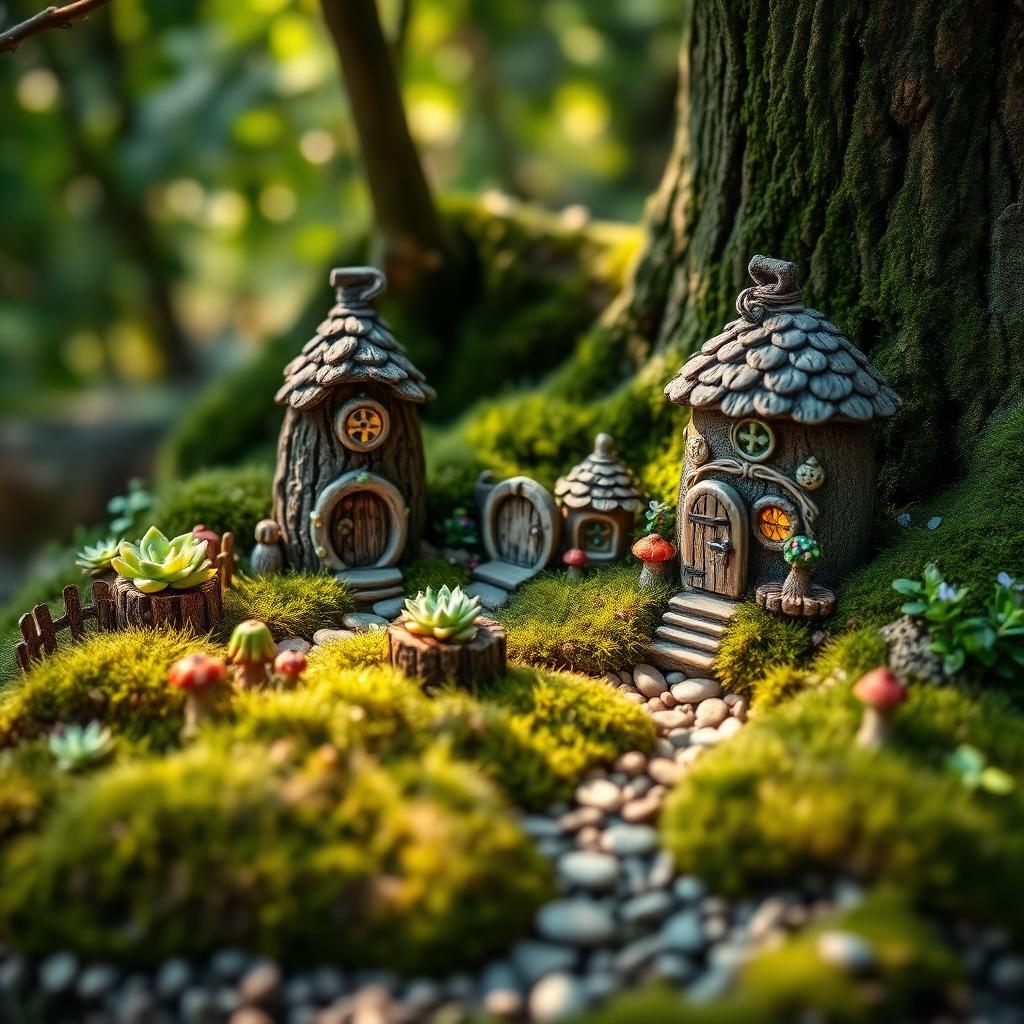
Fairy Garden
Create a magical miniature world with tiny plants, houses, and pathways
Introduction — Fairy Garden
A fairy garden is a miniature landscape that sparks imagination and wonder. Using tiny plants, whimsical accessories like miniature houses, bridges, and fences, and natural materials like moss and pebbles, you create a magical world in a pot, planter, or garden corner. Fairy gardens are perfect for children's creativity, therapeutic for adults, and endlessly customizable — from enchanted forests to seaside villages.
Getting Started with Your Fairy Garden
Building a thriving fairy garden is well within reach for gardeners at any level. The key is to match your plants to the conditions you actually have — light, space, climate and the time you can give — rather than fighting them. This in-depth guide expands on the steps above with the planning, soil, watering, feeding and troubleshooting know-how you need to sparks creativity and imagination in children and adults. For wider plant options as you grow, browse our garden plants, indoor plants and medicinal plants libraries, and explore more gardening ideas for inspiration.
Planning & Assessing Your Space
Before buying anything, spend a few days observing the spot you plan to use. Note how many hours of direct sun it receives and when (morning sun is gentler than harsh afternoon sun), how exposed it is to wind, and whether rain reaches it. These three factors — light, wind and water — decide which plants will flourish in your fairy garden. Measure the usable area, including vertical surfaces such as walls and railings, so you can plan for the maximum number of plants without overcrowding.
- Track sunlight hours across a full day before choosing plants.
- Group plants with similar light and water needs together.
- Leave room for airflow — crowded plants invite pests and disease.
- Plan vertical layers (tall at the back, trailing at the front/edges).
Soil, Containers & Drainage
Healthy roots are the foundation of every successful fairy garden. Use a quality, free-draining growing medium suited to your plants, and make sure every container has drainage holes — standing water is the single most common cause of plant loss. Add a layer of coarse material at the base of large pots, and refresh or top up compost each season as nutrients are used up. Choose container sizes that give roots room to develop; too-small pots dry out fast and stunt growth.
Best Plants to Grow
Start with hardy, forgiving species and expand once you find your rhythm. For a fairy garden, reliable choices include Baby Tears, Miniature Fern, Moss, Creeping Thyme, Miniature Ivy, Small Succulents, Selaginella. Mix foliage, flowering and (where space allows) edible plants for year-round interest. You can read detailed care notes for each species on its page in our plant library.
- Baby Tears — a dependable pick for this setup
- Miniature Fern — a dependable pick for this setup
- Moss — a dependable pick for this setup
- Creeping Thyme — a dependable pick for this setup
- Miniature Ivy — a dependable pick for this setup
- Small Succulents — a dependable pick for this setup
- Selaginella — a dependable pick for this setup
Watering & Feeding
Water based on what the plant and weather tell you, not a rigid calendar. Check the top 2–3 cm of soil: water thoroughly when it feels dry, and let excess drain away. Most plants prefer a deep, less-frequent soak over daily sips. Feed actively growing plants during the warmer months and ease off as growth slows. The seasonal calendar below is a practical starting point you can adjust to your climate.
| Season | Watering | Feeding | Key tasks |
|---|---|---|---|
| Spring | Increase as growth resumes; keep soil evenly moist | Start a balanced feed every 2–4 weeks | Repot, prune, sow and plant out |
| Summer | Most frequent; check daily in heat, water deeply | Feed actively-growing plants regularly | Mulch, deadhead, watch for pests |
| Autumn | Reduce gradually as temperatures fall | Taper feeding toward dormancy | Harvest, tidy, collect seed, plan |
| Winter | Minimal; let most plants rest, avoid waterlogging | Pause feeding for dormant plants | Protect from cold, clean tools, plan next season |
Seasonal Care Calendar
Gardening rewards small, consistent attention. Use the rhythm above to stay ahead: ramp up in spring, maintain through summer, harvest and tidy in autumn, and let plants rest in winter. Keeping brief notes each season — what thrived, what struggled — quickly turns you into an expert on your own fairy garden.
Common Problems, Pests & Diseases
Catching issues early makes them easy to fix. Yellowing leaves often signal overwatering or poor drainage; pale, leggy growth usually means too little light; crisp brown edges suggest underwatering or low humidity. Inspect undersides of leaves regularly for common pests such as aphids, spider mites and mealybugs, and treat promptly with a gentle, plant-safe method. For evidence-based, low-toxicity pest guidance see Royal Horticultural Society (RHS) — Gardening advice, The Old Farmer's Almanac — Gardening guides, RHS — House plants.
Common Mistakes to Avoid
- Overwatering. More plants are killed by too much water than too little — always check the soil first.
- Wrong light. Placing a sun-lover in shade (or vice versa) leads to weak, disappointing growth.
- Overcrowding. Give each plant room; crowding reduces airflow and spreads problems.
- Skipping drainage. Pots without holes drown roots — never let containers sit in water.
- Forgetting to feed. Container plants exhaust nutrients quickly and need regular feeding in the growing season.
Tools & Materials Checklist
- Containers/beds with drainage and saucers
- Quality potting mix and slow-release or liquid feed
- Watering can or drip system
- Hand trowel, pruners and gloves
- Plant labels and a simple care journal
- Mulch and, if needed, a trellis or supports
Maintenance & Long-Term Success
A fairy garden gets better with time. Prune to shape and encourage new growth, rotate pots for even light, refresh soil annually, and propagate your favourites to fill gaps for free. Above all, observe — the plants will tell you what they need. When you are ready to expand, our other gardening guides and full plant libraries are the perfect next step.
Benefits — Fairy Garden
Sparks creativity and imagination in children and adults
Perfect for small spaces — fits in a single pot or tray
Therapeutic and stress-relieving craft activity
Teaches children about plant care on a small scale
Endlessly customizable with themes and seasons
Makes a wonderful handmade gift
Step-by-Step Guide — Fairy Garden
Choose Your Container
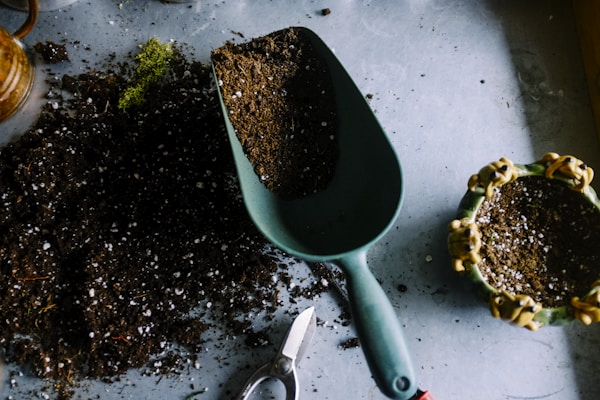
Use a wide, shallow pot (30-45 cm), a broken terracotta pot on its side, a wooden tray, or even a tree stump hollow. Ensure drainage holes. For outdoor fairy gardens, a garden corner or raised bed works beautifully.

Plan Your Theme
Decide on a theme: enchanted forest, beach cottage, woodland village, or fairy tea party. Sketch a simple layout with paths, a focal point (house or tree), and planting areas. Themes make the design cohesive.

Add Soil & Landscape
Fill with well-draining potting mix. Create small hills and valleys for terrain interest. Lay pebble pathways and add a small mirror or blue glass pebbles for a "pond." Build up one corner higher for a hillside effect.

Plant Miniature Plants
Choose naturally small, slow-growing plants: Baby Tears, Miniature Ferns, Small Succulents, Moss, Creeping Thyme, Miniature Ivy. Scale is key — everything should look proportional to your tiny world.

Add Fairy Accessories
Place miniature houses, benches, lanterns, bridges, fences, and fairy figurines. Use natural materials like twigs for fences, acorn caps for bowls, and bark for signs. DIY accessories add personal charm.
Pro Tips — Fairy Garden
- ✦Use slow-growing plants to maintain scale — fast growers will outgrow the scene quickly
- ✦Seal wooden and clay accessories with waterproof coating for outdoor gardens
- ✦Change accessories seasonally — add tiny pumpkins in autumn, snowmen in winter
- ✦Moss is your best friend for ground cover — it creates an instant magical forest floor
- ✦Let children design and maintain their own fairy garden — it teaches responsibility and nurtures creativity
Recommended Plants — Fairy Garden
Explore Our Other Platforms


Frequently Asked Questions — Fairy Garden
Q. What are the benefits of a Fairy Garden?
Sparks creativity and imagination in children and adults. Perfect for small spaces — fits in a single pot or tray. Therapeutic and stress-relieving craft activity. Teaches children about plant care on a small scale. Endlessly customizable with themes and seasons.
Q. How do I start a Fairy Garden?
1. Choose Your Container: Use a wide, shallow pot (30-45 cm), a broken terracotta pot on its side, a wooden tray, or even a tree stump hollow. Ensure drainage holes. For outdoor fairy gardens, a garden corner or raised bed works beautifully. 2. Plan Your Theme: Decide on a theme: enchanted forest, beach cottage, woodland village, or fairy tea party. Sketch a simple layout with paths, a focal point (house or tree), and planting areas. Themes make the design cohesive. 3. Add Soil & Landscape: Fill with well-draining potting mix. Create small hills and valleys for terrain interest. Lay pebble pathways and add a small mirror or blue glass pebbles for a "pond." Build up one corner higher for a hillside effect. 4. Plant Miniature Plants: Choose naturally small, slow-growing plants: Baby Tears, Miniature Ferns, Small Succulents, Moss, Creeping Thyme, Miniature Ivy. Scale is key — everything should look proportional to your tiny world. 5. Add Fairy Accessories: Place miniature houses, benches, lanterns, bridges, fences, and fairy figurines. Use natural materials like twigs for fences, acorn caps for bowls, and bark for signs. DIY accessories add personal charm.
Q. Which plants are best for a Fairy Garden?
Great choices include Baby Tears, Miniature Fern, Moss, Creeping Thyme, Miniature Ivy, Small Succulents, Selaginella. Pick varieties that match your light and space.
Q. What tips help a Fairy Garden thrive?
Use slow-growing plants to maintain scale — fast growers will outgrow the scene quickly. Seal wooden and clay accessories with waterproof coating for outdoor gardens. Change accessories seasonally — add tiny pumpkins in autumn, snowmen in winter. Moss is your best friend for ground cover — it creates an instant magical forest floor. Let children design and maintain their own fairy garden — it teaches responsibility and nurtures creativity.
Q. Is a Fairy Garden suitable for beginners?
Yes. Start small with a few hardy, low-maintenance plants, follow the step-by-step guide above, and expand as you gain confidence.
Further Reading & Sources
Explore More Gardening Ideas
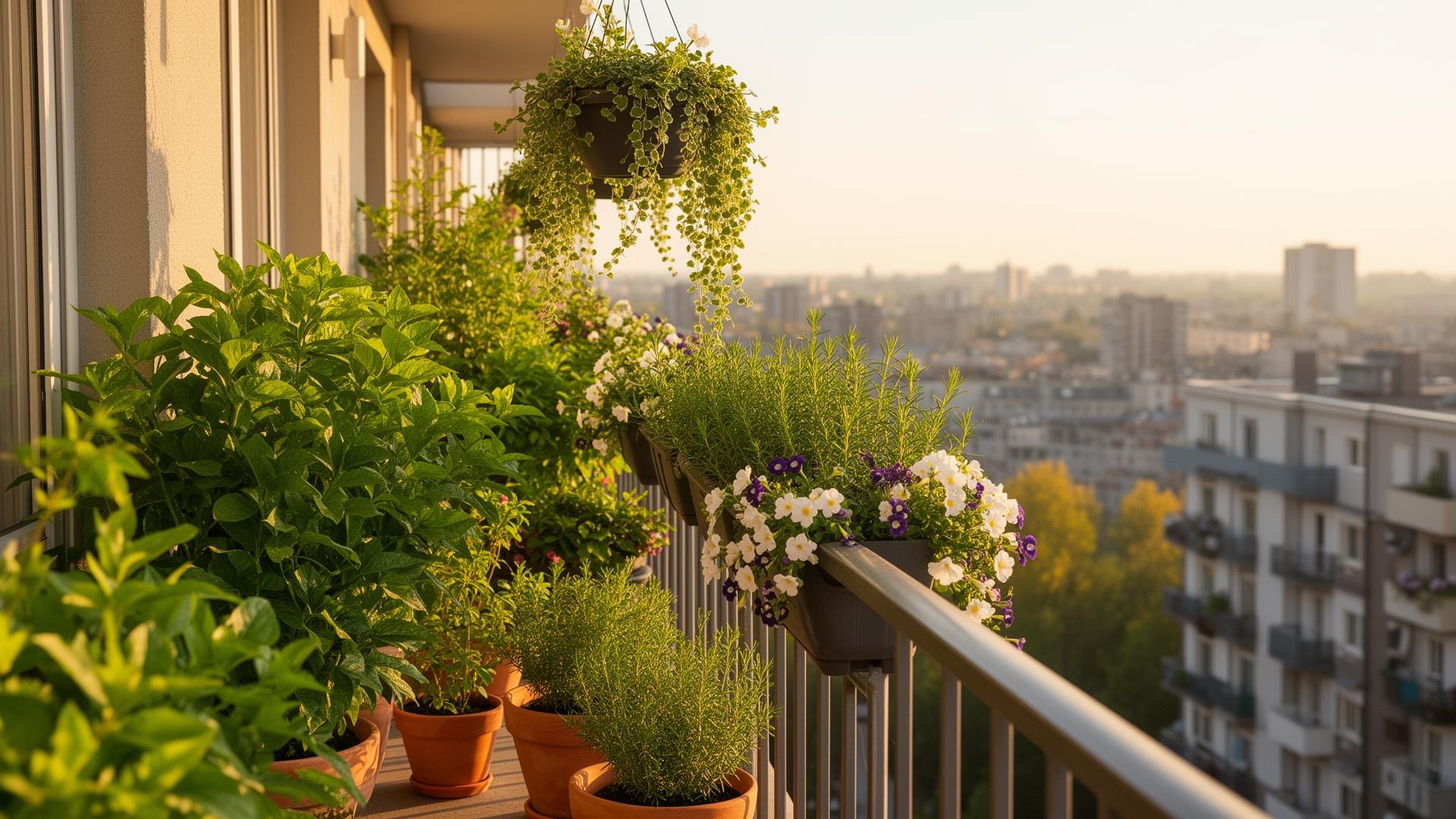
Balcony Garden
Transform your balcony into a green oasis
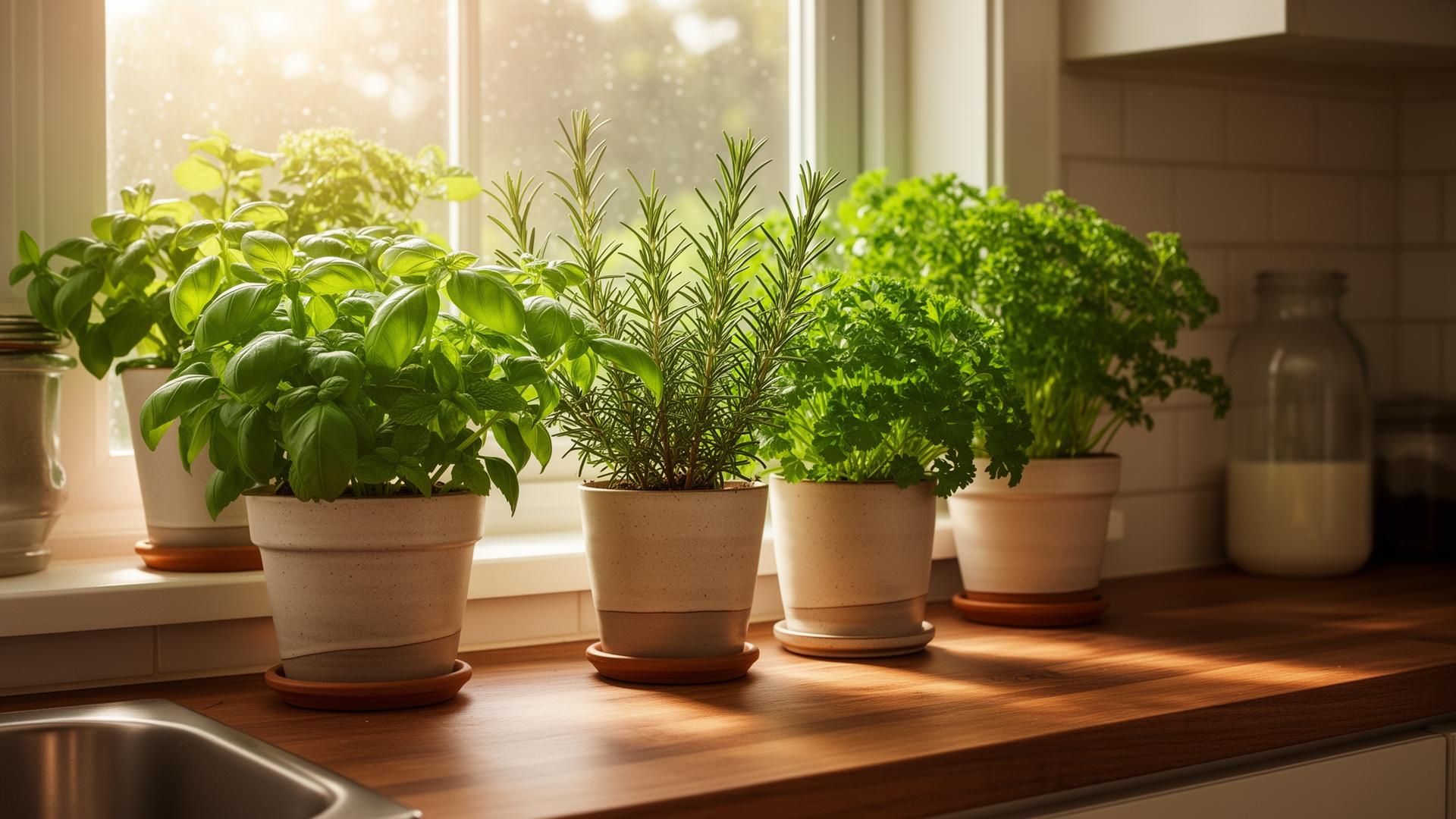
Kitchen Herb Garden
Grow fresh herbs right in your kitchen

Vertical Garden
Maximize space with vertical planting
Terrace Garden
Create a rooftop garden paradise
Container Gardening
Beautiful gardens in pots and containers

Water Garden
Aquatic plants and water features

Composting Guide
Turn kitchen waste into rich garden gold
Seasonal Planting Calendar
Know exactly what to plant and when
Natural Pest Control
Protect your garden without chemicals
Seed Starting Guide
Grow any plant from seed like a pro
Medicinal Garden
Grow your own natural pharmacy at home
Butterfly Garden
Attract beautiful butterflies to your garden
Succulent Garden
Create a low-maintenance, drought-tolerant succulent paradise
Organic Garden
Grow chemical-free, healthy food at home with organic methods
Rooftop Fruit Garden
Grow delicious fruits on your rooftop with container gardening techniques
Rain Garden
Design a beautiful garden that captures and filters rainwater naturally

Shade Garden
Transform shady corners into lush, thriving green retreats

Fragrant Flower Garden
Fill your garden with intoxicating natural fragrances all year round
Rock Garden
Build a stunning, low-maintenance garden with rocks and alpine plants

Zen Garden
Create a minimalist Japanese-inspired garden for meditation and peace
Wildlife Garden
Create a habitat-rich garden that welcomes birds, bees, and beneficial creatures
Edible Flower Garden
Grow beautiful flowers you can eat — add color and flavor to your meals

Pollinator Garden
Support bees, butterflies, and hummingbirds with a nectar-rich flower haven
Vegetable Garden
Grow your own fresh, organic vegetables at home

Tropical Garden
Create a lush tropical paradise with exotic plants
Permaculture Garden
Design a self-sustaining ecosystem garden

Bonsai Garden
Master the ancient art of miniature tree cultivation

Cottage Garden
Create a romantic, overflowing flower garden
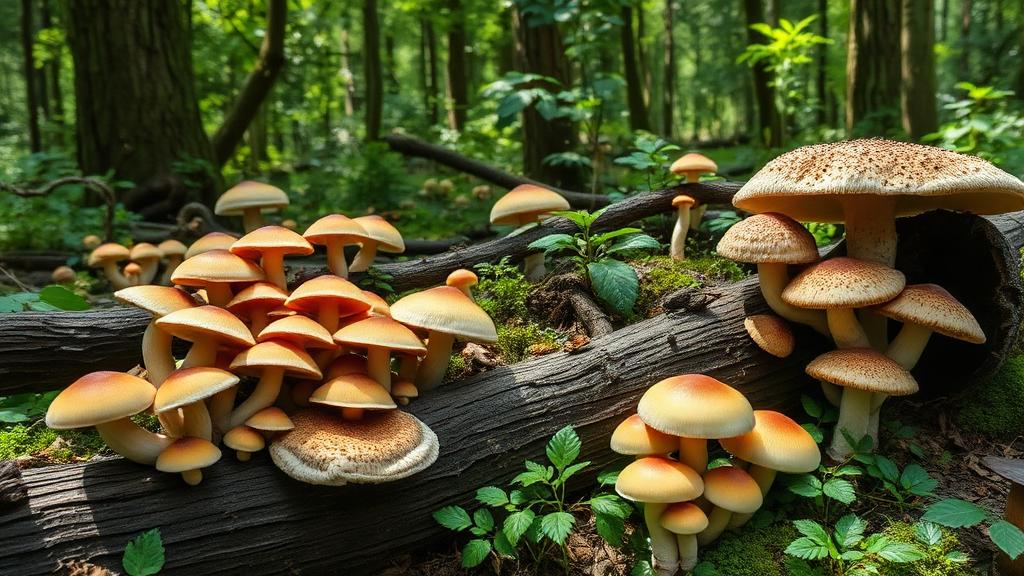
Mushroom Garden
Grow gourmet mushrooms at home in shade and moisture
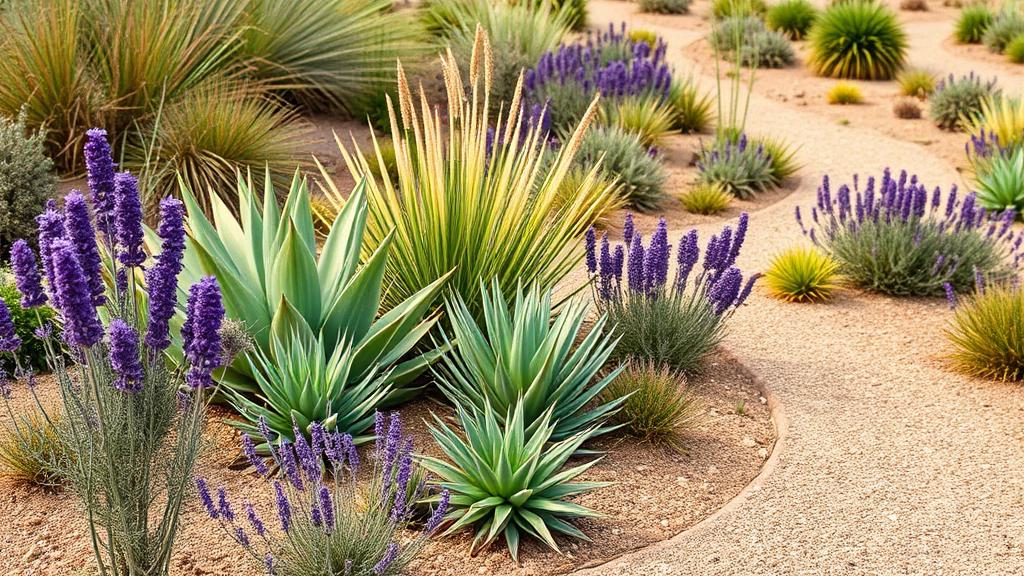
Drought-Resistant Garden
Design a beautiful garden that thrives with minimal water

Moonlight Garden
Create a magical garden that glows in the evening

Native Plant Garden
Celebrate local ecology with indigenous plants
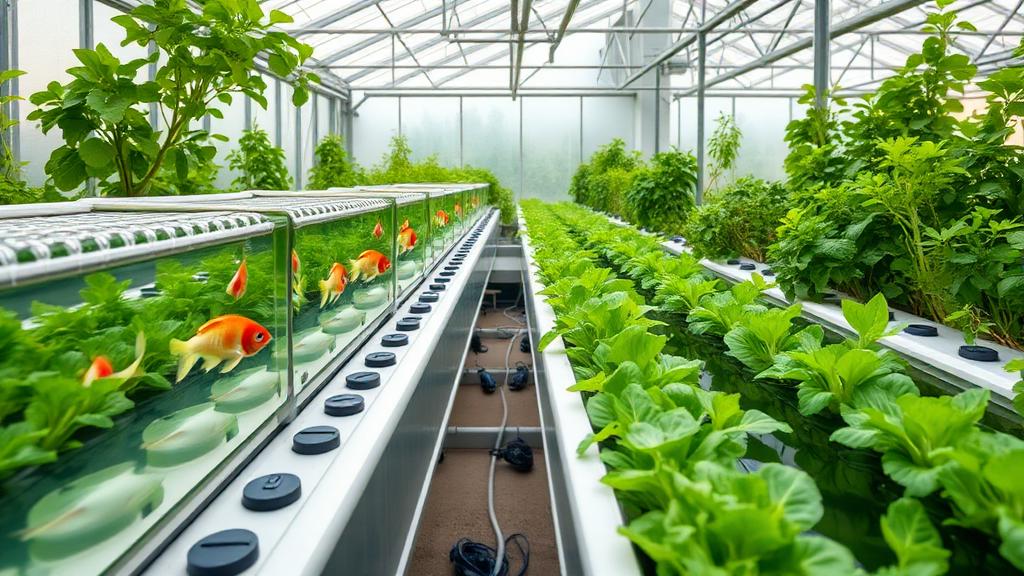
Aquaponics Garden
Combine fish farming and plant growing in one system
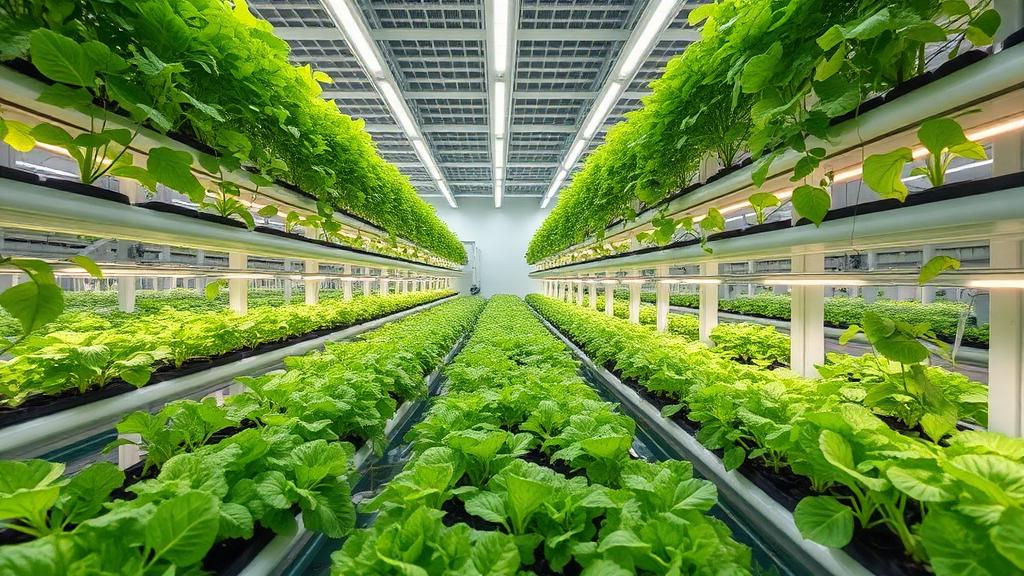
Hydroponic Garden
Grow plants without soil using nutrient-rich water systems

Tea Garden
Grow your own tea plants and herbal infusions at home

Cactus Garden
Build a striking desert landscape with diverse cacti

Color Theme Garden
Design a garden around a stunning color palette

Winter Garden
Keep your garden beautiful and productive through winter
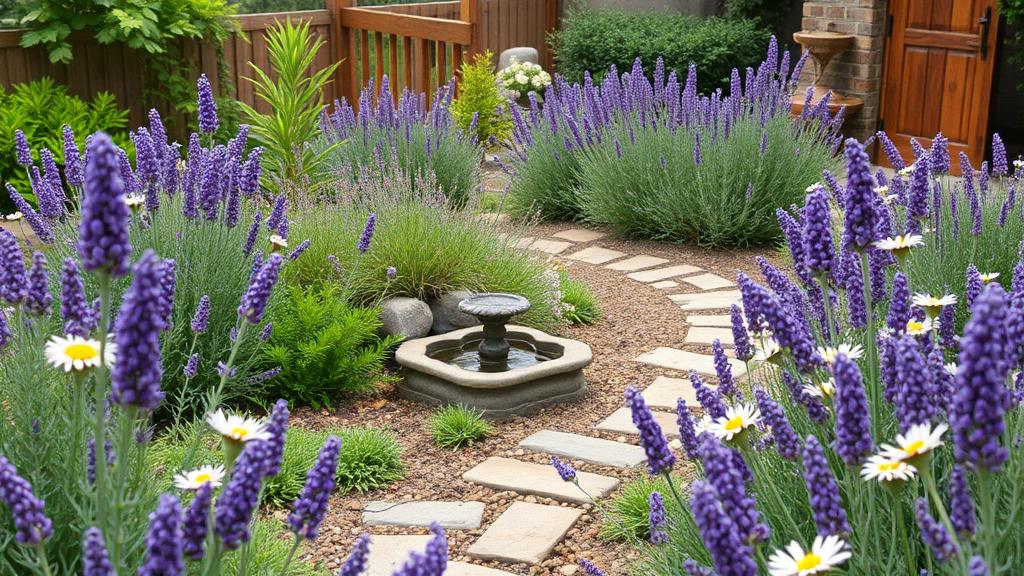
Sensory Garden
Engage all five senses with a therapeutic garden design
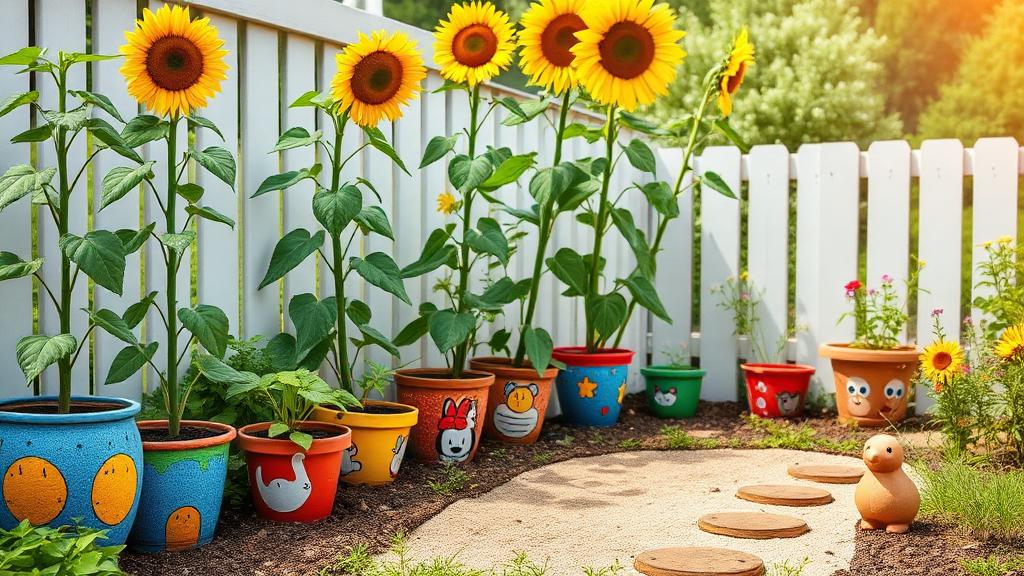
Children's Garden
Create a fun, educational garden for kids to explore

Spice Garden
Cultivate aromatic spices for cooking and wellness
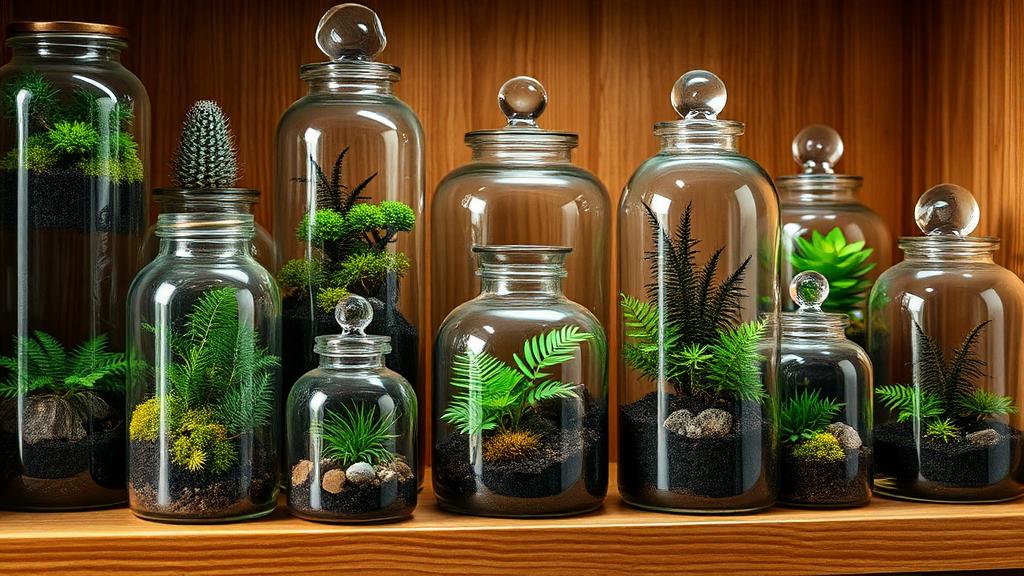
Terrarium Garden
Create miniature ecosystems in glass containers

Cut Flower Garden
Grow your own fresh bouquets all season long
Subscribe to Our Newsletter
Get updates on new plants, blogs & gardening ideas
Choose your interests:
🔒 We respect your privacy. Unsubscribe anytime. Email verification required.