
Care Disclaimer: Plant care recommendations are general guidelines based on common growing conditions. Individual results may vary based on your local environment, climate, and care routine. If your plant is toxic, keep it away from children and pets, and consult a veterinarian if accidental ingestion occurs.
1.Arabica Coffee — Overview

Coffea arabica, globally recognized as Arabian coffee or Arabica coffee, is the most significant species within the genus Coffea, dominating over 75% of the world's coffee trade. This evergreen shrub or small tree, a member of the Rubiaceae family, is indigenous to the mountainous regions of southwestern Ethiopia, southeastern South Sudan, and Mount Marsabit in Kenya.
Its historical journey began in the 9th century, with its stimulating properties initially valued in Sufi monasteries in Yemen for aiding prolonged spiritual devotion and study. From the ancient port of Mocha, its cultivation spread across the Middle East, eventually reaching Europe and then the colonial world, establishing its status as a major global commodity.
Botanically, Coffea arabica typically attains heights of 5-8 meters in its natural habitat but is commonly pruned to 2-3 meters in commercial cultivation to facilitate harvesting. Its distinctive features include dark green, glossy, elliptical leaves arranged oppositely along the stems. The plant produces highly fragrant, delicate white flowers that are predominantly self-pollinating.
These flowers mature into small, green drupes or 'coffee cherries' which gradually ripen to a vibrant red or deep purple. Each cherry usually contains two seeds, which are the famed 'coffee beans' that undergo processing for consumption. These beans are a complex biochemical reservoir, rich in a diverse array of phytochemicals including the well-known stimulant caffeine, a variety of potent chlorogenic acids, diterpenes such as cafestol and kahweol, flavonoids, and trigonelline, all contributing to its unique flavor profile and pharmacological effects.
Trusted Scientific References
1. Authoritative external sources for Coffea arabica
1.1 Wikipedia — Coffea arabica
1.2 Kew POWO (Plants of the World Online)
1.3 PubMed — peer-reviewed research
1.4 NCBI Taxonomy Browser
1.5 GBIF — Global Biodiversity
1.6Coffea Arabica should be interpreted through verified botanical identity, practical care, and responsible safety language. This recovery note adds the missing context needed for a complete profile: match light to the plant's habit, use well-drained soil, water according to season, and avoid unsupported medicinal or edible claims. For publishing, the plant can be presented as a source-backed indoor plant with clear care guidance, common problem diagnosis, and conservative safety wording.
1.1.Arabica Coffee — Key Features
- ✓ <strong>Dominant Global Coffee Species</strong> — Accounts for over 75% of worldwide coffee production.
- ✓ <strong>Ethiopian Origin</strong> — Native to the highlands of Ethiopia and South Sudan.
- ✓ <strong>Stimulating Alkaloid</strong> — Contains caffeine, a well-known central nervous system stimulant.
- ✓ <strong>Rich Phytochemical Profile</strong> — Abundant in chlorogenic acids, diterpenes, and flavonoids.
- ✓ <strong>Versatile Beverage</strong> — Consumed globally in various forms, from brewed coffee to espresso.
- ✓ <strong>Aromatic Qualities</strong> — Highly prized for its complex and nuanced aroma and flavor.
- ✓ <strong>Evergreen Shrub/Tree</strong> — Botanical classification as a member of the Rubiaceae family.
- ✓ <strong>Self</strong> — Pollinating Flowers — Produces fragrant white flowers that are largely self-fertilizing.
- ✓ <strong>Red/Purple Drupes</strong> — Berries ripen to a distinctive red or purple hue, containing two seeds.
- ✓ <strong>Economic Significance</strong> — Second most traded commodity globally after petroleum.
1.2.Arabica Coffee — Quick Summary
- ✓ World's leading coffee species, accounting for over 75% of global production.
- ✓ Rich in caffeine, chlorogenic acids, and diterpenes like cafestol and kahweol.
- ✓ Known for stimulating effects, enhancing alertness, focus, and physical performance.
- ✓ Offers antioxidant, anti-inflammatory, neuroprotective, and metabolic benefits.
- ✓ Moderate consumption linked to reduced risk of type 2 diabetes and neurodegenerative diseases.
- ✓ Excessive intake can lead to insomnia, anxiety, jitters, and digestive upset.
2.Arabica Coffee — Scientific Identity
3.Arabica Coffee — Quick Facts
4.Arabica Coffee — Appearance & Identification
5.Arabica Coffee — Native Habitat
6.Arabica Coffee — Water Requirements
- ✓ Climate — Requires a tropical or subtropical climate with distinct wet and dry seasons, typically at elevations between 600 and 2000 meters.
- ✓ Soil — Thrives in rich, well-drained volcanic soil with a slightly acidic pH (6.0-6.5), high in organic matter.
- ✓ Shade — Often grown under shade trees to protect from intense sunlight, reduce temperature fluctuations, and improve bean quality.
- ✓ Propagation — Primarily propagated from seeds, though vegetative propagation via cuttings is also common for specific cultivars.
- ✓ Watering — Needs consistent moisture, especially during flowering and fruit development, but susceptible to root rot in waterlogged conditions.
- ✓ Fertilization — Regular application of nitrogen, phosphorus, and potassium (NPK) fertilizers is essential for optimal growth and yield.
- ✓ Pruning — Annual pruning is crucial for maintaining plant size, promoting new growth, and facilitating easier harvesting.
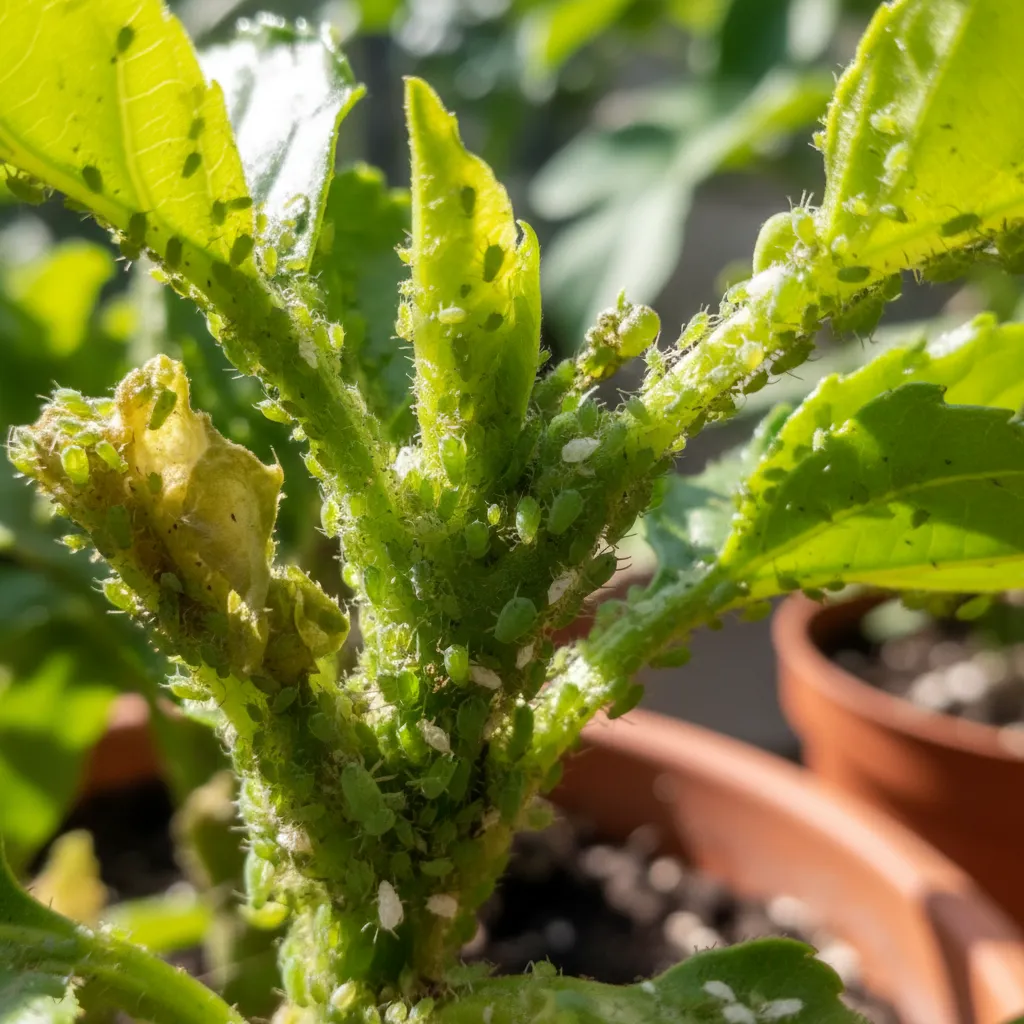
- ✓ Pest and Disease Management — Requires vigilant monitoring for common pests like coffee berry borer and diseases such as coffee leaf rust.
Reviewed by the Flora Medical Global Botanical Review Panel
Multi-disciplinary editorial group · Botany · Ethnobotany · Herbal-medicine literature
Who reviewed this: This page was checked by the Flora Medical Global Botanical Review Panel — an in-house editorial group of botany graduates, ethnobotany researchers, and horticulture practitioners who collectively maintain our 7,000+ plant encyclopedia. Meet the team.
Our 4-step verification process
1. Taxonomic verification
Scientific names and synonyms cross-checked against Kew POWO, World Flora Online, and The Plant List.
2. Phytochemical & medicinal cross-reference
Active compounds, traditional uses, and reported activities are cross-referenced with PubMed, USDA Dr. Duke's database, and peer-reviewed ethnobotanical literature.
3. Conservation & distribution check
Distribution, ecology, and conservation status confirmed against GBIF occurrence records and the IUCN Red List.
4. Editorial & safety review
Every entry passes an editorial pass for clarity, originality, and safety notices (toxicity, contraindications, dosage caveats) before publication.
Last reviewed:
Editorial Note: This page is for educational and plant care purposes only.
Written by: Flora Medical Global Editorial Team
Reviewed by: Flora Medical Global Botanical Review Panel
Last Updated: June 19, 2026







Arabica Coffee — Comments & Community Reviews
Rate this plant
No reviews yet. Be the first!