


Care Disclaimer: Plant care recommendations are general guidelines based on common growing conditions. Individual results may vary based on your local environment, climate, and care routine. If your plant is toxic, keep it away from children and pets, and consult a veterinarian if accidental ingestion occurs.
1.Chlorophytum (Spider Plant) — Overview
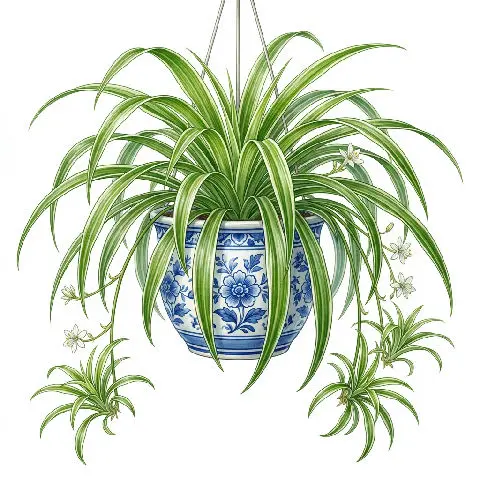
Chlorophytum comosum, universally recognized as the Spider Plant, is a remarkably adaptable and beloved perennial herbaceous plant indigenous to the coastal and tropical regions of southern Africa, particularly South Africa. Taxonomically, it resides within the Asparagaceae family, though it has previously been classified under Liliaceae and Agavaceae. Its generic name, 'Chlorophytum,' is derived from the Greek 'chloros' meaning green and 'phyton' meaning plant, a fitting descriptor for its vibrant foliage. The specific epithet 'comosum' refers to its distinctive tufted or hairy appearance.
This species boasts a rich history as a prominent indoor ornamental, cherished for its graceful, arching, linear leaves, which frequently exhibit striking variegation with white or cream stripes. Its ease of care and unique propagation method contributed to its widespread adoption in Victorian homes, experiencing a resurgence in popularity during the late 20th century, cementing its status as one of the most ubiquitous houseplants globally. Morphologically, Chlorophytum comosum develops strap-like leaves in a basal rosette, typically spanning 20-45 cm in length and 0.5-2 cm in width. Cultivars range from solid green to those with a central white or yellow stripe ('Vittatum') or white margins ('Variegatum').
While technically monocarpic, the plant continuously produces numerous small, star-shaped white flowers on slender, arching leafless scapes that can extend up to 75 cm. Following flowering, the plant's most iconic feature emerges: small clonal plantlets, or 'spiderettes,' which develop at the nodes along these scapes. These miniature replicas of the parent plant, complete with nascent roots, are the origin of its common 'spider' moniker and are crucial for its effortless propagation, often creating an attractive cascading effect in hanging baskets. Its thick, fleshy roots and rhizomes serve as water storage organs, enabling the Spider Plant to tolerate periods of inconsistent watering in its native, often dry, environments.
Trusted Scientific References
1. Authoritative external sources for Chlorophytum comosum
1.1 Wikipedia — Chlorophytum comosum
1.2 Kew POWO (Plants of the World Online)
1.3 PubMed — peer-reviewed research
1.4 NCBI Taxonomy Browser
1.5 GBIF — Global Biodiversity
1.1.Chlorophytum (Spider Plant) — Key Features
- ✓ <strong>Striking Variegated Foliage</strong> — Often features green leaves with prominent white or cream stripes.
- ✓ <strong>Abundant 'Spiderettes'</strong> — Produces numerous plantlets on arching stems, resembling spiders.
- ✓ <strong>Excellent Air Purifier</strong> — Known for effectively removing formaldehyde, xylene, and benzene from indoor air.
- ✓ <strong>Low Maintenance</strong> — Highly tolerant of neglect and adaptable to various indoor conditions.
- ✓ <strong>Non</strong> — Toxic to Pets & Humans — A safe choice for households with children and animals.
- ✓ <strong>Cascading Growth Habit</strong> — Ideal for hanging baskets, creating a lush, flowing display.
- ✓ <strong>Robust Root System</strong> — Thick, fleshy roots store water, aiding drought tolerance.
- ✓ <strong>Rapid Growth Rate</strong> — Quickly establishes and produces new foliage and plantlets.
- ✓ <strong>Versatile Placement</strong> — Thrives in medium to bright indirect light, suitable for many indoor settings.
- ✓ <strong>Natural Stress Reducer</strong> — Contributes to a calming environment, supporting mental well-being.
1.2.Chlorophytum (Spider Plant) — Quick Summary
- ✓ Air-purifying powerhouse, removing common indoor toxins.
- ✓ Exceptionally easy to grow, ideal for beginners.
- ✓ Produces adorable 'spiderettes' for effortless propagation.
- ✓ Non-toxic to pets and children, a safe household plant.
- ✓ Enhances indoor aesthetics and contributes to well-being.
- ✓ Adaptable to various light conditions, thriving indoors.
2.Chlorophytum (Spider Plant) — Scientific Identity
3.Chlorophytum (Spider Plant) — Quick Facts
4.Chlorophytum (Spider Plant) — Appearance & Identification
5.Chlorophytum (Spider Plant) — Native Habitat
6.Chlorophytum (Spider Plant) — Water Requirements
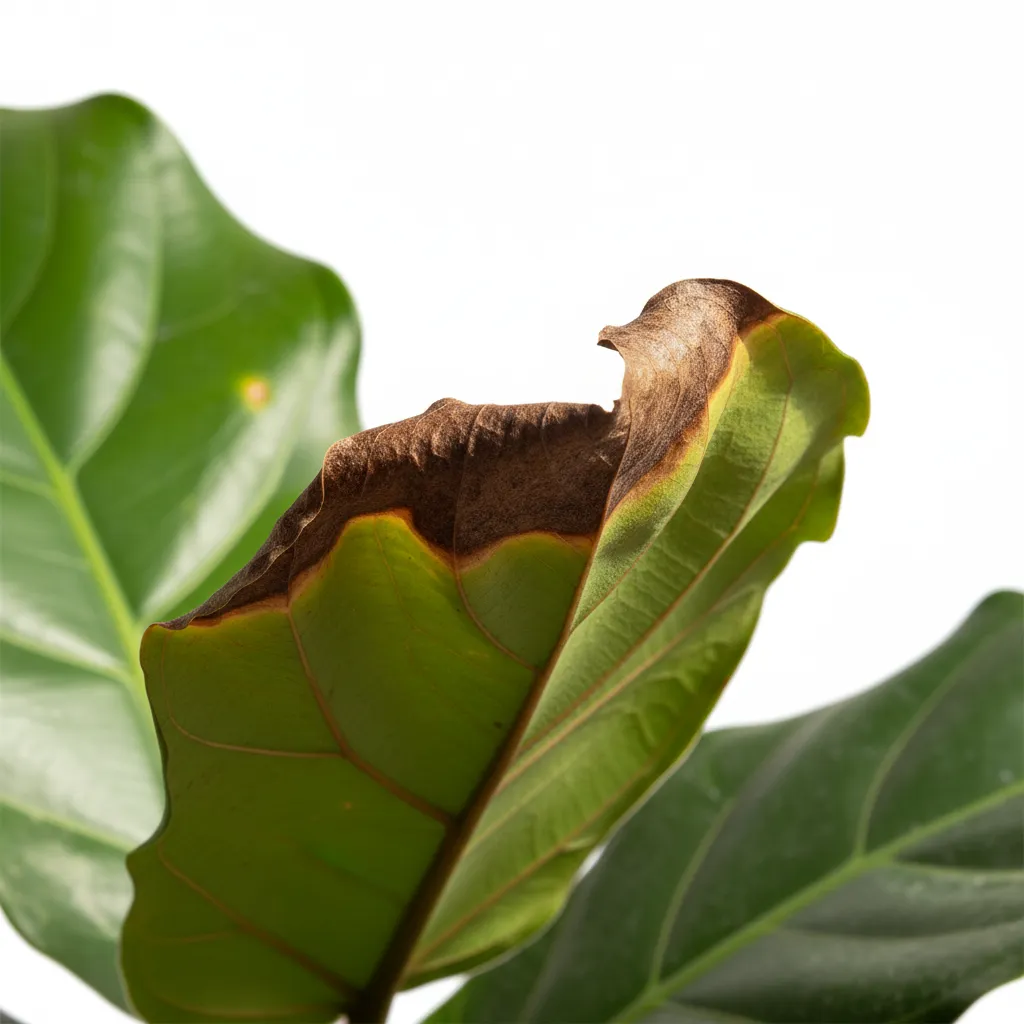
- ✓ Light — Provide medium to bright, indirect light; direct, intense sunlight can scorch the leaves.
- ✓ Watering — Allow the top inch or two of soil to dry out between thorough waterings to prevent root rot.
- ✓ Soil — Use a well-draining, general-purpose potting mix or soilless medium to ensure proper aeration.
- ✓ Temperature & Humidity — Thrives in average room temperatures (18-24°C) and average indoor humidity levels.
- ✓ Fertilization — Feed sparingly every 3-4 months during the growing season with a balanced liquid fertilizer diluted to half strength.
- ✓ Repotting — Repot annually or biennially when the plant becomes root-bound, as this encourages vigorous growth and plantlet production.
- ✓ Propagation — Easily propagated by planting the 'spiderettes' (plantlets) directly into soil, either while still attached to the mother plant or after detaching.
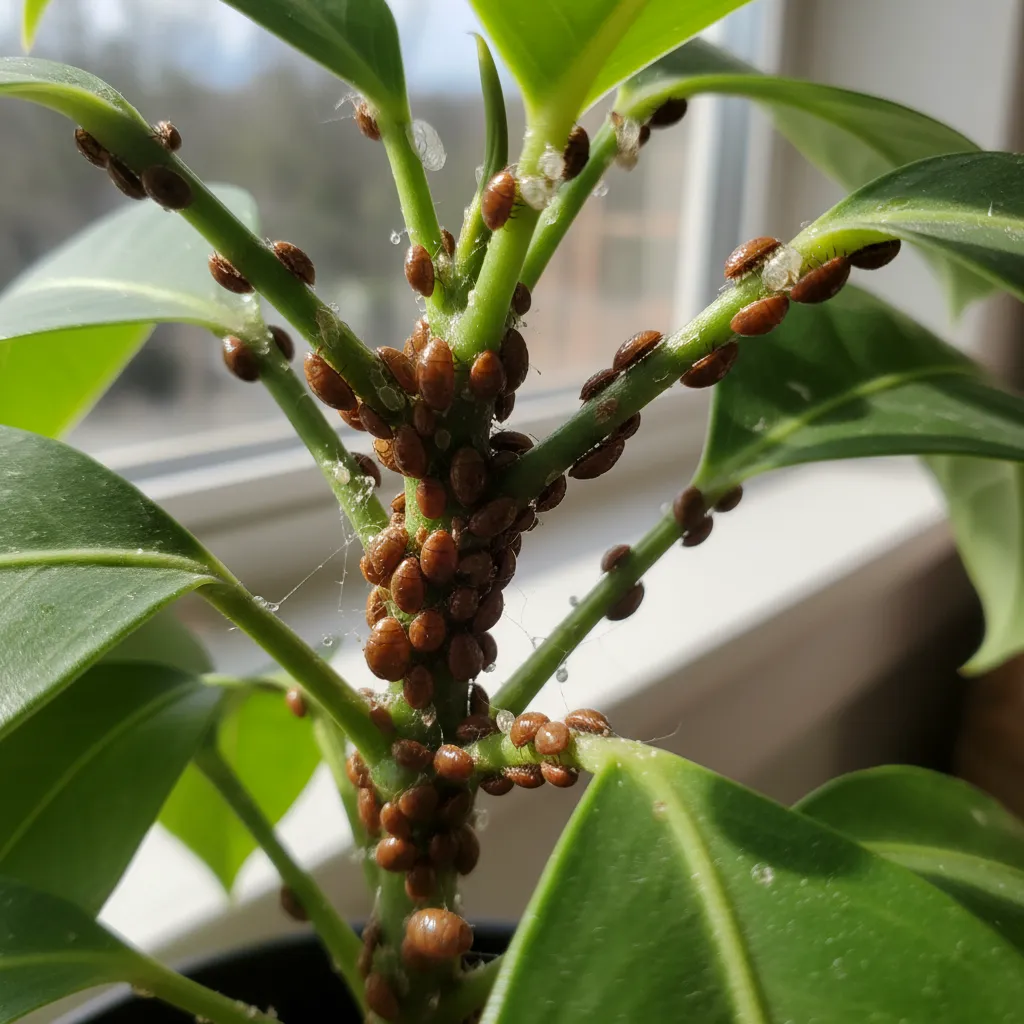
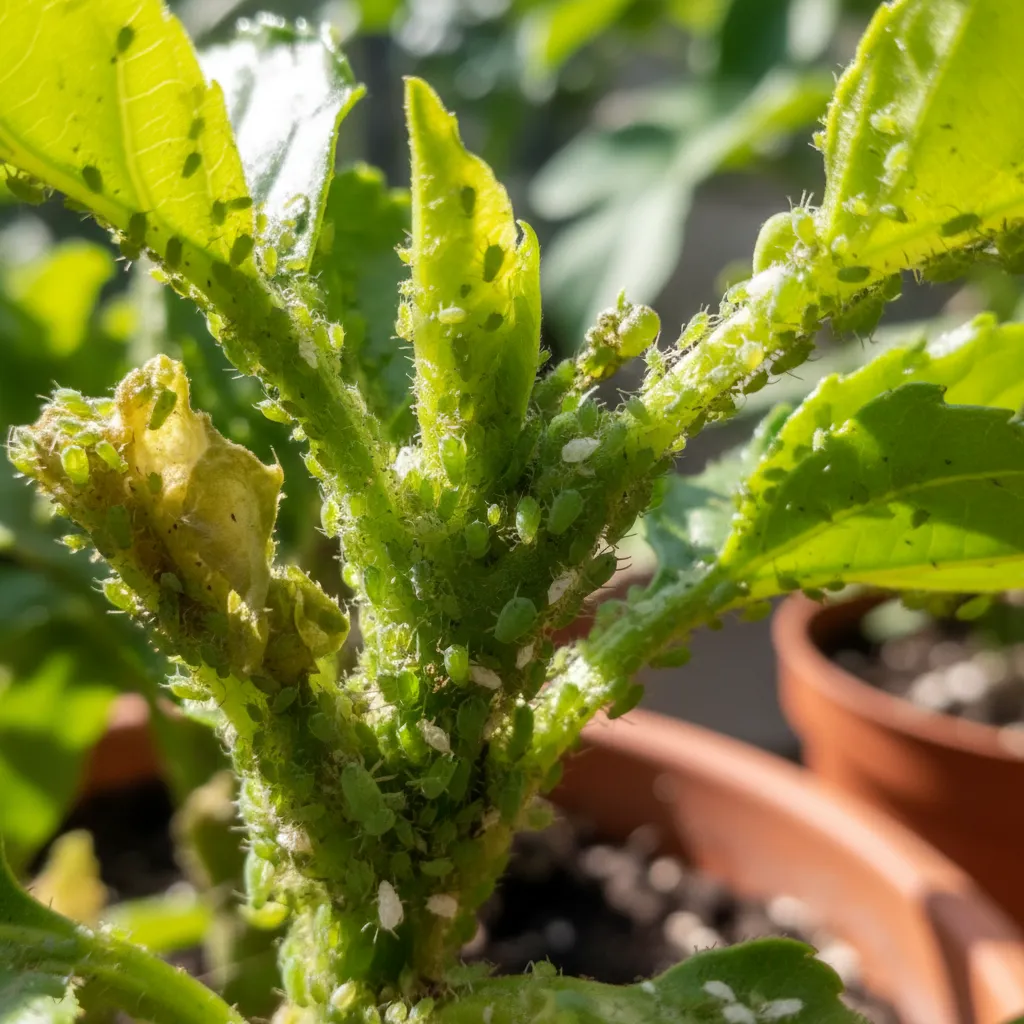
- ✓ Pest Management — Generally pest-resistant, but occasionally susceptible to mealybugs and scale insects; treat promptly with horticultural oil or insecticidal soap.
Reviewed by the Flora Medical Global Botanical Review Panel
Multi-disciplinary editorial group · Botany · Ethnobotany · Herbal-medicine literature
Who reviewed this: This page was checked by the Flora Medical Global Botanical Review Panel — an in-house editorial group of botany graduates, ethnobotany researchers, and horticulture practitioners who collectively maintain our 7,000+ plant encyclopedia. Meet the team.
Our 4-step verification process
1. Taxonomic verification
Scientific names and synonyms cross-checked against Kew POWO, World Flora Online, and The Plant List.
2. Phytochemical & medicinal cross-reference
Active compounds, traditional uses, and reported activities are cross-referenced with PubMed, USDA Dr. Duke's database, and peer-reviewed ethnobotanical literature.
3. Conservation & distribution check
Distribution, ecology, and conservation status confirmed against GBIF occurrence records and the IUCN Red List.
4. Editorial & safety review
Every entry passes an editorial pass for clarity, originality, and safety notices (toxicity, contraindications, dosage caveats) before publication.
Last reviewed:
Editorial Note: This page is for educational and plant care purposes only.
Written by: Flora Medical Global Editorial Team
Reviewed by: Flora Medical Global Botanical Review Panel
Last Updated: June 16, 2026







Chlorophytum (Spider Plant) — Comments & Community Reviews
Rate this plant