Scientific name: Monstera deliciosa
Bengali name: স্যুইস চিজ প্লান্ট
Family: Araceae
Genus: Monstera
Origin: Central America, Southern Mexico
Quick Summary
✓ Iconic ornamental plant known for its unique fenestrated leaves. ✓ All vegetative parts are highly toxic due to calcium oxalate crystals (raphides). ✓ The fully ripe fruit is edible and has a tropical flavor. ✓ Traditionally used externally for conditions like arthritis and snakebites, with limited scientific evidence and high risk. ✓ Requires bright indirect light, high humidity, and well-draining soil as a houseplant. ✓ Essential to keep away from children and pets due to severe toxicity upon ingestion.
Key Features
✓ Distinctive Fenestrated Leaves — Large, glossy, heart-shaped leaves with natural splits and holes. ✓ Epiphytic Growth Habit — Climbs using aerial roots in its native tropical environment. ✓ Edible Ripe Fruit — Produces a sweet, tropical-flavored fruit when fully mature, resembling banana and pineapple. ✓ Prominent Aerial Roots — Sturdy roots that emerge from stems, providing support and absorbing moisture. ✓ High Ornamental Value — A popular houseplant cherished for its lush, exotic appearance. ✓ Contains Calcium Oxalate Raphides — Responsible for severe irritation and toxicity in raw plant parts. ✓ Tropical Origin — Native to the rainforests of Southern Mexico and Central America. ✓ Requires Support for Optimal Growth — Benefits from moss poles or trellises to climb. ✓ Guttation Phenomenon — Exhibits water droplets on leaf edges, indicating healthy water transport. ✓ Low Maintenance (as a houseplant) — Relatively easy to care for once its basic needs are met.
Description
Monstera deliciosa, widely recognized as the Swiss Cheese Plant or Fruit Salad Plant, is an evergreen perennial vine native to the humid tropical rainforests of Southern Mexico and Panama, extending throughout Central America. This striking member of the Araceae family is characterized by its large, heart-shaped leaves that develop distinctive natural splits and holes, known as fenestrations, as they mature. In its natural epiphytic habitat, it can ascend trees to heights exceeding 70 feet, anchoring itself with robust aerial roots. When cultivated indoors, it typically reaches a more manageable size of 3-7 feet, though it can still grow quite large. The stems are thick and smooth, often producing numerous aerial roots that seek moisture and support. While mature plants can produce an inflorescence consisting of a creamy-white spathe enclosing a spadix, followed by an edible, pineapple-like fruit, indoor flowering and fruiting are rare. Its preference for bright, indirect light and high humidity mimics its jungle origins, where it thrives in the understory. The name 'Monstera deliciosa' translates to 'delicious monstrosity,' aptly describing its impressive size and the delectable flavor of its fully ripe fruit.Trusted Scientific References
Authoritative external sources for Monstera deliciosa:
Medicinal Benefits
✓ Traditional Anti-inflammatory Support — Historically, certain indigenous preparations of Monstera deliciosa were used topically to alleviate inflammatory conditions like arthritis and rheumatism, though scientific validation is limited and direct contact with raw plant material is highly irritating. ✓ Traditional Antivenom Aid — In some folk medicine practices, parts of the plant were applied externally as a traditional remedy for snakebites, aiming to reduce local swelling or draw out venom; however, this practice lacks modern scientific support and carries significant risks due to plant toxicity. ✓ Potential for Bioactive Compound Isolation — Beyond calcium oxalate, future phytochemical research might explore isolated, non-toxic compounds from Monstera deliciosa for specific pharmacological activities, provided effective detoxification methods are developed. ✓ Air Purification (Indirect) — As a prominent houseplant, Monstera deliciosa contributes to improved indoor air quality by absorbing carbon dioxide and releasing oxygen, as well as increasing ambient humidity, which can benefit respiratory comfort. ✓ Psychological Well-being — The presence of lush, vibrant foliage in indoor environments is known to reduce stress, enhance mood, and improve concentration, thereby contributing to overall mental and emotional health. ✓ Traditional Wound Care (External) — Some historical accounts suggest the use of external poultices for minor skin irritations or wounds in traditional systems, though the inherent toxicity of the plant makes this practice hazardous without specific preparation. ✓ Folk Remedy for Joint Pain — Specific traditional applications targeted various forms of joint pain, often involving external compresses or rubs, which would require careful processing to mitigate irritant effects. ✓ Nutritional Value of Ripe Fruit — The fully ripe fruit of Monstera deliciosa is consumed for its unique flavor and is a source of vitamins and minerals, offering a safe, edible component of the plant.
Benefits
• Enhances indoor air quality by filtering out common toxins, making it a healthier space. • Its unique fenestrated leaves contribute to a visually striking decor that elevates any room. • Grows well in low-light conditions, making it suitable for various interior environments. • Adds humidity to the air through transpiration, improving comfort in dry indoor spaces. • Low maintenance plant, requiring minimal watering and care, ideal for busy lifestyles. • Can grow alongside other houseplants, offering versatility in plant arrangements. • Its aerial roots can be trained to climb, allowing for a dynamic growth display. • Non-toxic to pets, though ingestion can still lead to mild gastrointestinal upset, especially in cats and dogs. • Promotes a serene and tropical ambiance in the home, reminiscent of rainforest environments.
Advantages of Growing
✓ Enhances indoor air quality by filtering out common toxins, making it a healthier space. ✓ Its unique fenestrated leaves contribute to a visually striking decor that elevates any room. ✓ Grows well in low-light conditions, making it suitable for various interior environments. ✓ Adds humidity to the air through transpiration, improving comfort in dry indoor spaces. ✓ Low maintenance plant, requiring minimal watering and care, ideal for busy lifestyles. ✓ Can grow alongside other houseplants, offering versatility in plant arrangements. ✓ Its aerial roots can be trained to climb, allowing for a dynamic growth display. ✓ Non-toxic to pets, though ingestion can still lead to mild gastrointestinal upset, especially in cats and dogs. ✓ Promotes a serene and tropical ambiance in the home, reminiscent of rainforest environments. ✓ Monstera works well as an indoor specimen because it adds structure and decorative value to interior spaces.
Diseases & Conditions Treated
- Rheumatic Pain (Traditional, external)
- Arthritis (Traditional, external)
- Snakebite Symptoms (Traditional, external)
- Minor Skin Irritations (Traditional, external, with extreme caution)
- Inflammatory Swelling (Traditional, external)
- Joint Pain (Traditional, external)
- Gout (Traditional, external)
- Sprains (Traditional, external)
Chemical Constituents
✓ Calcium Oxalate Crystals (Raphides) — These needle-shaped crystals are the primary irritant and toxic compound found abundantly in all vegetative parts of Monstera deliciosa, causing mechanical irritation upon contact or ingestion. ✓ Irritating Proteins — Associated with calcium oxalate raphides, these proteins are thought to enhance the irritating and inflammatory response when plant tissues are damaged or ingested, contributing to the burning sensation. ✓ Flavonoids — While not extensively studied in Monstera deliciosa, plants in the Araceae family often contain various flavonoids, which are polyphenolic compounds known for their antioxidant and potential anti-inflammatory properties. ✓ Saponins — These glycosides, characterized by their foam-forming properties, may be present in trace amounts, potentially contributing to plant defense mechanisms, though their specific role and concentration in Monstera are not well-defined. ✓ Tannins — Polyphenolic compounds with astringent properties, tannins could be present, contributing to the plant's defense against herbivores and pathogens, though detailed research is limited. ✓ Polysaccharides — Structural carbohydrates that form the bulk of plant cell walls, and potentially some storage polysaccharides, are ubiquitous in plant tissues. ✓ Volatile Organic Compounds — Minor amounts of volatile compounds may contribute to the plant's subtle aroma, though Monstera deliciosa is not known for strong aromatic properties. ✓ Ascorbic Acid (Vitamin C) — Present in the fully ripened fruit, contributing to its nutritional value and antioxidant capacity.
Usage Method
✓ Ripe Fruit Consumption — The most common and safe internal use involves consuming the fully ripened fruit, which detaches easily and offers a unique tropical flavor; unripe fruit is highly irritating. ✓ Ornamental Display — Primarily cultivated as an aesthetic houseplant, enhancing indoor spaces with its striking foliage and contributing to a biophilic environment. ✓ Traditional Topical Applications — Historically, specific preparations of plant parts were processed into poultices or compresses for external use in traditional medicine, strictly avoiding ingestion and with extreme caution due to irritant compounds. ✓ Decoctions for External Washes (Caution) — In some traditional contexts, diluted decoctions might have been used as external washes; however, the presence of calcium oxalate necessitates extreme caution and professional guidance. ✓ Horticultural Propagation — Cuttings from stems with aerial roots are commonly used to propagate new plants, allowing for easy expansion of ornamental collections. ✓ Scientific Research and Extraction — For research purposes, specific compounds are isolated and extracted under controlled laboratory conditions to study potential bioactivities, separate from raw plant material. ✓ Air Humidification — The plant naturally releases moisture through transpiration, contributing to indoor humidity levels, a general benefit for dry environments.
Cultivation Method
✓ Bright Indirect Light — Monstera deliciosa thrives in bright, indirect light; direct sunlight can scorch its leaves, while too little light may inhibit fenestration development. ✓ Consistent Watering — Allow the top 2-3 inches of soil to dry out between waterings; overwatering can lead to root rot, especially in cooler months. ✓ High Humidity — Native to tropical rainforests, this plant prefers high humidity; consider using a humidifier or pebble tray, as misting alone is often insufficient. ✓ Well-Draining Soil — Plant in a rich, well-draining potting mix, ideally one formulated for aroids, to prevent waterlogging and promote healthy root growth. ✓ Provide Support — As a vining plant, Monstera benefits from a moss pole, trellises, or bamboo stakes to climb, encouraging larger leaf development and upright growth. ✓ Regular Fertilization — Feed with a balanced liquid fertilizer at half strength every 2-4 weeks during the growing season (spring and summer), reducing frequency in winter. ✓ Repot as Needed — Repot every 1-2 years or when roots emerge from drainage holes, increasing pot size by no more than 2 inches to avoid excess moisture retention. ✓ Leaf Cleaning — Periodically wipe leaves with a damp cloth to remove dust, ensuring optimal photosynthesis and maintaining the plant's aesthetic appeal.
Environment & Growth
Monstera deliciosa prefers a warm and humid environment to flourish. Ideal indoor temperatures range from 65 to 85°F (18 to 29°C). The plant does best in bright, indirect light but can adapt to lower light levels; however, this may result in fewer fenestrations on the leaves. High humidity levels above 50% are preferable for optimal growth and leaf health; using a humidifier or misting the leaves occasionally can help increase moisture in dry indoor spaces. Well-draining potting soil is essential to prevent root rot. The plant can be placed near a west or east-facing window to ensure it receives adequate light while avoiding scorching from direct sun, particularly in the afternoon hours.
Care Tips
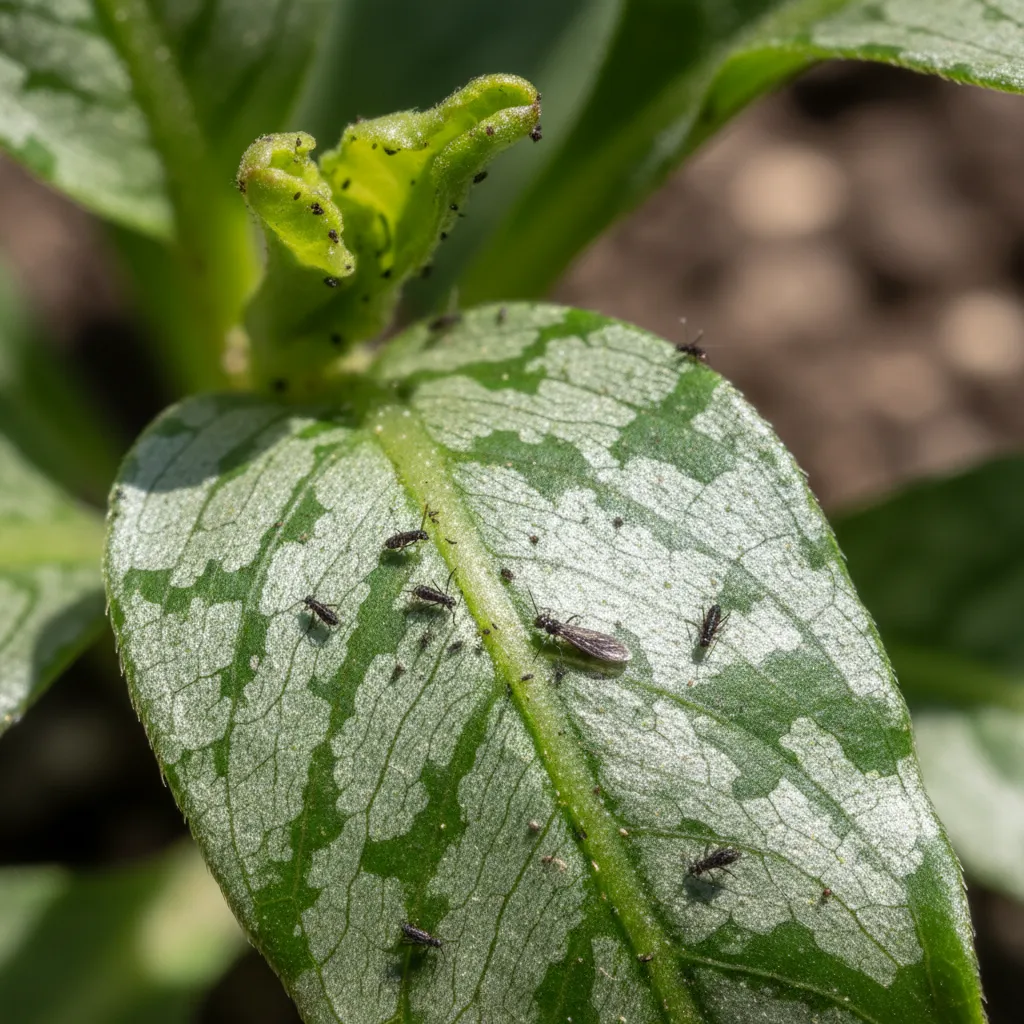
Monstera deliciosa thrives in well-draining potting soil that retains some moisture without becoming waterlogged. Water the plant when the top 1-2 inches of soil feel dry, typically every 1-2 weeks, depending on indoor humidity and temperature. It is essential to reduce watering in the winter months when growth slows. Fertilize with a balanced, water-soluble fertilizer every four to six weeks during the growing season (spring to early fall) to encourage healthy growth and vibrant foliage. Pruning should be done as needed to remove any dead or yellowing leaves and to keep the plant's shape. Monstera can be susceptible to common pests like spider mites and mealybugs; regular leaf cleaning and adequate air circulation help prevent infestations. Additionally, consider moving the plant outdoors during warm months, but avoid exposure to direct sunlight, which can scorch the leaves.
Safety Profile
✓ High Toxicity (Internal) — Ingestion of any raw part of the Monstera deliciosa plant is highly toxic due to calcium oxalate crystals, causing severe irritation and potential airway obstruction. ✓ Skin Irritation Risk — Direct skin contact with sap or broken plant tissues can cause dermatitis; always wear gloves when handling, pruning, or repotting. ✓ Keep Out of Reach — Ensure the plant is inaccessible to children and pets to prevent accidental ingestion and subsequent severe poisoning. ✓ Fruit Ripeness is Crucial — Only consume the fruit when it is fully ripe and the scales can be easily removed; unripe fruit still contains irritating calcium oxalate. ✓ No Self-Medication — Due to its inherent toxicity and lack of scientifically proven safe medicinal uses, Monstera deliciosa should never be used for self-medication. ✓ Wash Hands Thoroughly — Always wash hands with soap and water after handling the plant, even if wearing gloves, to remove any residual irritants. ✓ Seek Medical Attention — In case of accidental ingestion or severe skin/eye contact, immediately seek professional medical or veterinary assistance.
Side Effects
✓ Oral and Gastrointestinal Irritation — Ingestion of raw plant material causes immediate, intense burning, swelling, and pain in the mouth, throat, and digestive tract due to calcium oxalate raphides. ✓ Skin Dermatitis — Direct contact with the sap or plant tissues can lead to skin irritation, redness, itching, and a burning sensation, especially for sensitive individuals. ✓ Ocular Irritation — Contact with eyes can cause severe pain, redness, and swelling, necessitating immediate flushing with water. ✓ Nausea and Vomiting — Ingesting even small amounts can trigger severe nausea, vomiting, and abdominal pain. ✓ Swelling of Airways — In severe cases of ingestion, swelling of the tongue and throat can impede breathing, requiring urgent medical attention. ✓ Toxicity to Pets — Monstera deliciosa is toxic to cats, dogs, and other household pets, causing similar oral and gastrointestinal symptoms upon ingestion. ✓ Allergic Reactions — Though rare, some individuals may experience allergic reactions to plant components beyond the direct irritant effects of calcium oxalate.
Cultural Significance
The *Monstera deliciosa*, affectionately known as the Swiss Cheese Plant or Fruit Salad Plant, carries a rich tapestry of cultural significance woven through its native Central American and Southern Mexican homelands. While direct historical medicinal applications for this specific species are not widely documented in major codified systems like Ayurveda or Traditional Chinese Medicine, its close relatives within the Araceae family have a long history of use in folk medicine across various tropical regions. These uses often involved poultices for skin ailments or internal preparations for digestive issues, hinting at a potential, albeit less documented, role for *Monstera deliciosa* in indigenous healing practices, particularly in its native rainforest environment where it was readily available. Culturally, the *Monstera deliciosa* is deeply intertwined with the symbolism of growth, abundance, and the vibrant energy of the rainforest. Its epiphytic nature, climbing and reaching towards the canopy, can be interpreted as a metaphor for aspiration and upward mobility. The striking fenestrations, or holes, in its leaves are particularly evocative, often seen as representing the interplay of light and shadow, or the permeable boundaries between worlds. While not a central figure in major religious pantheons, its presence in the lush jungles likely imbued it with a certain reverence, perhaps featuring in local rituals or as an offering to nature spirits. Economically, the *Monstera deliciosa* has transitioned from a regional curiosity to a global horticultural phenomenon. Historically, its edible fruit, with its unique flavor profile reminiscent of a blend of tropical fruits, held local economic importance, particularly in regions where it was cultivated for consumption. The name "deliciosa" itself speaks to this culinary value. In modern times, its economic significance lies primarily in the houseplant trade. Its dramatic aesthetic and relatively easy care have propelled it to immense popularity, making it a highly commercialized commodity in nurseries and online marketplaces worldwide. The culinary tradition of *Monstera deliciosa* is most notable for its fruit. When ripe, it is said to taste like a combination of pineapple, banana, and mango, leading to its "Fruit Salad Plant" moniker. However, it is crucial to note that the fruit must be perfectly ripe; unripe portions can be irritating. Folklore surrounding the plant often focuses on its striking appearance and its ability to thrive in challenging environments. The etymology of its common names, "Swiss Cheese Plant," directly references the distinctive perforations in its leaves. In contemporary culture, *Monstera deliciosa* has achieved iconic status in interior design and gardening trends. It is a celebrated element in the wellness industry, valued for its air-purifying qualities and its ability to bring a sense of biophilic connection and natural beauty into indoor spaces, symbolizing a desire for a more verdant and tranquil living environment.
Quick Facts
| Category | indoor |
|---|---|
| Family | Araceae |
| Genus | Monstera |
| Sun requirement | Part Sun/Part Shade |
| Water need | Medium |