
Care Disclaimer: Plant care recommendations are general guidelines based on common growing conditions. Individual results may vary based on your local environment, climate, and care routine. If your plant is toxic, keep it away from children and pets, and consult a veterinarian if accidental ingestion occurs.
1.Monstrose Cactus — Overview
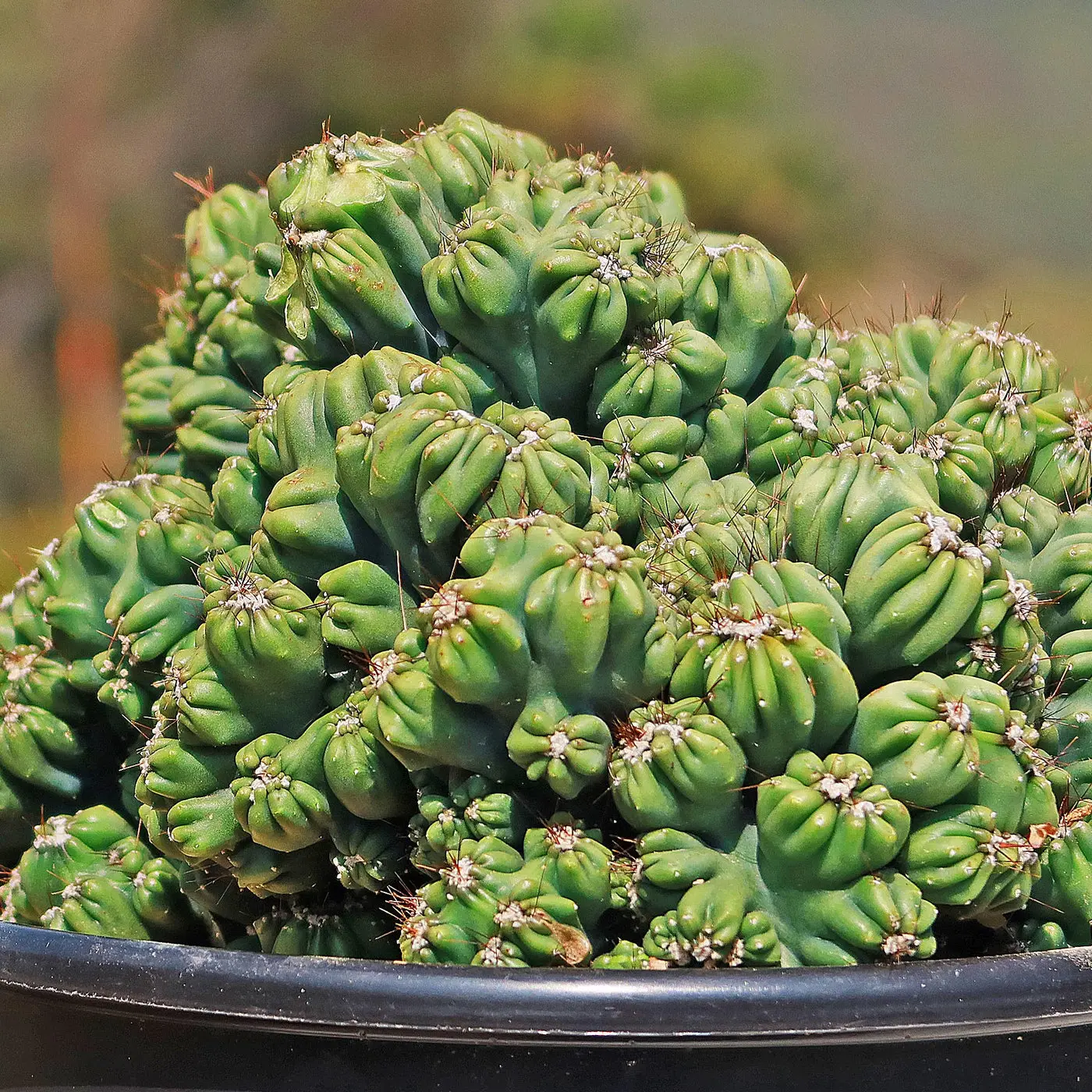
Cereus forbesii monstrose, affectionately known as the Monstrose Cactus or 'Ming Thing', is a captivating and architecturally striking succulent within the Cactaceae family. This botanical marvel is a naturally occurring mutation of the species Cereus forbesii, which is indigenous to the arid and semi-arid landscapes of South America, particularly spanning Brazil, Bolivia, Paraguay, and Argentina. Distinguished from its typically columnar and uniformly ribbed progenitor, the Monstrose Cactus exhibits a highly irregular, contorted, and often brain-like or club-shaped growth pattern, earning its 'monstrose' designation. The plant develops robust, thick, and highly branched stems that can attain impressive heights of 3 to 4 feet (0.9 to 1.2 meters) or more in cultivated environments, potentially exceeding this in its native range.
Its distinctive bluish-green waxy coating serves as a protective barrier against harsh environmental elements and minimizes water loss. The irregular lobes and ridges of the stem are adorned with relatively short, sturdy spines, typically measuring 1-2 centimeters in length, presenting in shades from white to light yellow, contributing to its intricate texture without being overly aggressive. In optimal conditions, the Monstrose Cactus can produce large, showy, and intensely fragrant nocturnal flowers, which are a spectacular sight, often lasting only until the following morning. These substantial blooms can reach up to 8 inches (20 cm) in diameter, predominantly displaying white or pale yellow hues with numerous delicate petals and a prominent central stamen cluster.
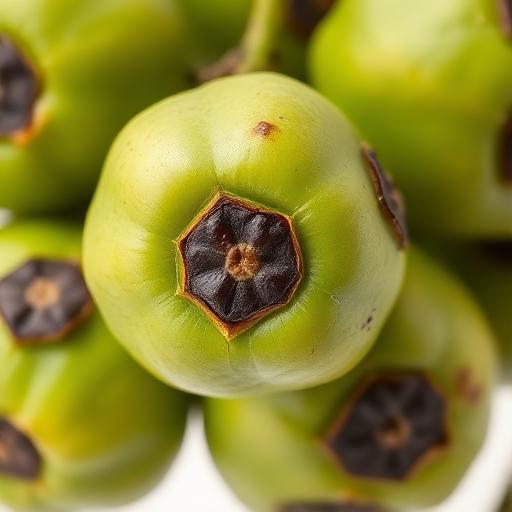
While less common in cultivation, successful pollination may lead to the development of edible fruits. Its root system is typically fibrous and somewhat shallow, an adaptation for efficient absorption of surface moisture from infrequent rainfall, characteristic of its desert habitat. Taxonomically, Cereus forbesii monstrose is classified within the genus Cereus, a diverse group known for its columnar cacti.
Trusted Scientific References
1. Authoritative external sources for Cereus forbesii monstrose
1.1 Wikipedia — Cereus forbesii monstrose
1.2 Kew POWO (Plants of the World Online)
1.3 PubMed — peer-reviewed research
1.4 NCBI Taxonomy Browser
1.5 GBIF — Global Biodiversity
1.1.Monstrose Cactus — Key Features
- ✓ <strong>Monstrose Growth</strong> — Exhibits a distinctive, irregular, contorted, and club-like growth pattern, a natural genetic mutation.
- ✓ <strong>Bluish</strong> — Green Stems — Features thick, robust stems covered in a protective waxy, bluish-green coating.
- ✓ <strong>Nocturnal Blooms</strong> — Produces large, showy, white to pale yellow flowers that open at night and are intensely fragrant.
- ✓ <strong>Drought Tolerant</strong> — Highly adapted to arid environments, requiring infrequent watering and well-draining soil.
- ✓ <strong>Low Maintenance</strong> — Relatively easy to care for, making it suitable for novice and experienced plant enthusiasts.
- ✓ <strong>South American Native</strong> — Originates from arid regions of Brazil, Bolivia, Paraguay, and Argentina.
- ✓ <strong>Architectural Appeal</strong> — Valued for its sculptural form, adding unique visual interest to any space.
- ✓ <strong>Moderate Size</strong> — Can reach heights of 3-4 feet in cultivation, forming a branched, columnar structure.
- ✓ <strong>Fibrous Root System</strong> — Possesses a shallow, fibrous root system adapted for efficient surface moisture absorption.
- ✓ <strong>Spiny Texture</strong> — Adorned with short, sturdy, white to light yellow spines that add to its intriguing surface.
1.2.Monstrose Cactus — Quick Summary
- ✓ Unique 'monstrose' growth habit, resembling clubs or brains.
- ✓ Member of the Cactaceae family, native to South America.
- ✓ Primarily an ornamental succulent, valued for its striking form.
- ✓ Requires bright indirect light, well-draining soil, and minimal watering.
- ✓ Produces large, fragrant, nocturnal white flowers in optimal conditions.
- ✓ Generally low maintenance but sensitive to frost and overwatering.
2.Monstrose Cactus — Scientific Identity
3.Monstrose Cactus — Quick Facts
4.Monstrose Cactus — Appearance & Identification
5.Monstrose Cactus — Native Habitat
6.Monstrose Cactus — Water Requirements
- ✓ Light Requirement — Provide bright, indirect light; protect from harsh afternoon sun to prevent sunburn, as direct intense light can scorch the stems.
- ✓ Soil Preference — Use a well-draining cactus or succulent potting medium, ideally amended with coarse sand, perlite, or pumice to ensure excellent drainage.
- ✓ Watering Schedule — Allow the soil to dry out completely between waterings; overwatering is the most common cause of root rot in Cereus forbesii monstrose.
- ✓ Container Choice — Plant in clay pots with multiple drainage holes to promote better aeration and prevent water retention, which is crucial for cactus health.
- ✓ Temperature Range — Prefers temperatures between 50 to 70 degrees Fahrenheit (10-21°C); protect from frost to prevent scarring and potential damage.
- ✓ Hardiness Zones — Hardy in USDA Plant Hardiness Zones 9 to 11; bring indoors before the first frost if grown in colder climates.
- ✓ Seasonal Care — During summer, it can be placed outdoors in partial to filtered shade; reduce watering significantly in winter months when the plant is dormant.
Reviewed by the Flora Medical Global Botanical Review Panel
Multi-disciplinary editorial group · Botany · Ethnobotany · Herbal-medicine literature
Who reviewed this: This page was checked by the Flora Medical Global Botanical Review Panel — an in-house editorial group of botany graduates, ethnobotany researchers, and horticulture practitioners who collectively maintain our 7,000+ plant encyclopedia. Meet the team.
Our 4-step verification process
1. Taxonomic verification
Scientific names and synonyms cross-checked against Kew POWO, World Flora Online, and The Plant List.
2. Phytochemical & medicinal cross-reference
Active compounds, traditional uses, and reported activities are cross-referenced with PubMed, USDA Dr. Duke's database, and peer-reviewed ethnobotanical literature.
3. Conservation & distribution check
Distribution, ecology, and conservation status confirmed against GBIF occurrence records and the IUCN Red List.
4. Editorial & safety review
Every entry passes an editorial pass for clarity, originality, and safety notices (toxicity, contraindications, dosage caveats) before publication.
Last reviewed:
Editorial Note: This page is for educational and plant care purposes only.
Written by: Flora Medical Global Editorial Team
Reviewed by: Flora Medical Global Botanical Review Panel
Last Updated: June 16, 2026







Monstrose Cactus — Comments & Community Reviews
Rate this plant