
Care Disclaimer: Plant care recommendations are general guidelines based on common growing conditions. Individual results may vary based on your local environment, climate, and care routine. If your plant is toxic, keep it away from children and pets, and consult a veterinarian if accidental ingestion occurs.
1.Portulacaria Afra — Overview
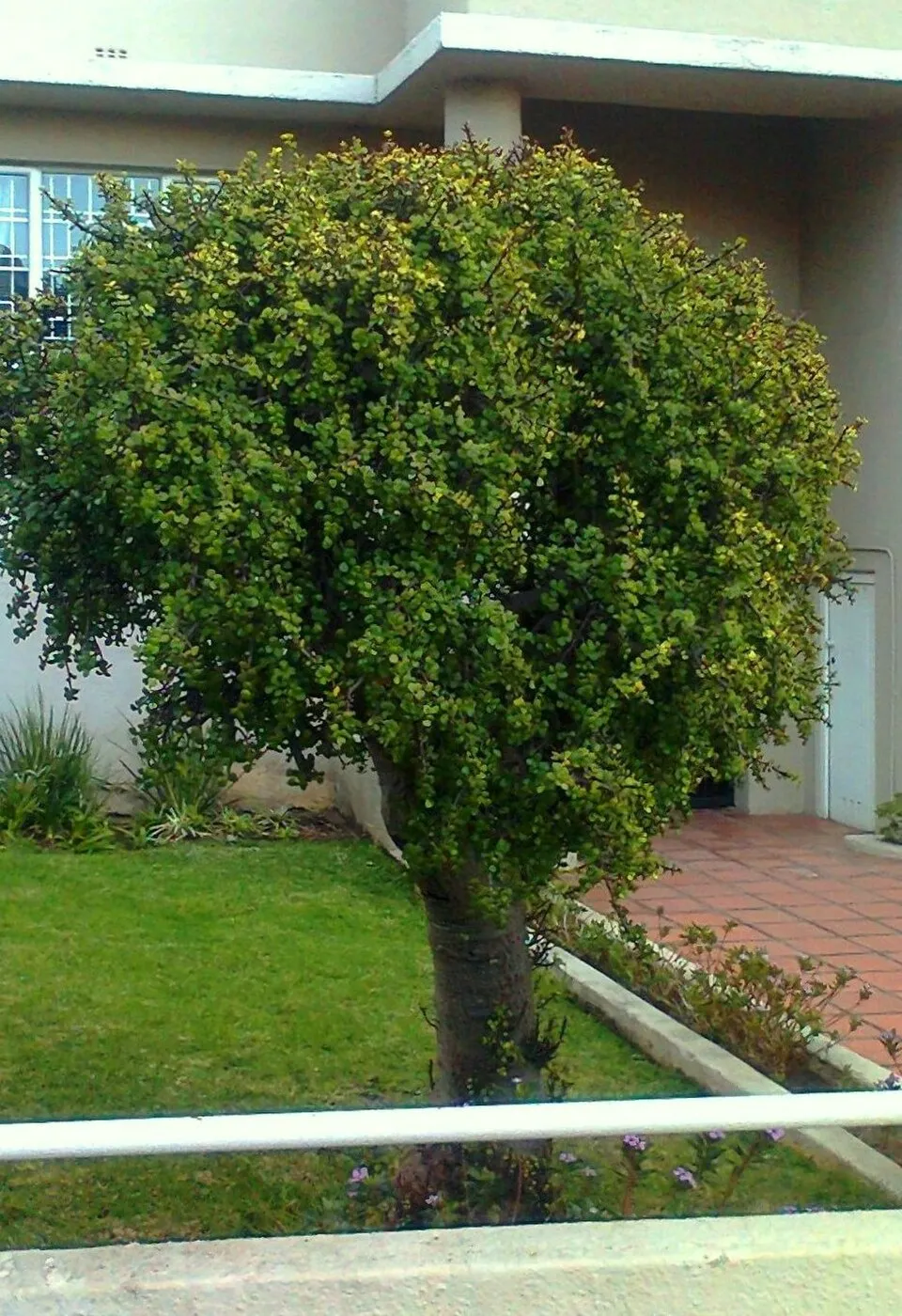
Portulacaria afra, commonly known as Elephant Bush or Spekboom, is a resilient evergreen succulent shrub native to the arid and semi-arid regions of South Africa, particularly abundant in the Eastern Cape. Belonging to the Didiereaceae family, this robust plant typically grows as a sprawling shrub, though it can develop into a small tree, reaching heights of 2 to 5 meters in its natural habitat, or generally 1 to 3 feet when cultivated indoors. Its distinctive morphology features thick, fleshy, obovate to orbicular leaves, usually 1 to 2 inches long, arranged oppositely along its sturdy, often reddish-brown stems.
These leaves are vibrant green, often developing striking reddish edges when exposed to intense sunlight, a characteristic adaptation to reduce water loss and protect against UV radiation. The stems are semi-woody and can become gnarled and corky with age, adding to its ornamental appeal. While flowering is rare in indoor settings, mature outdoor specimens produce small, star-shaped, pink to lavender flowers in dense clusters during late spring to early summer, attracting various pollinators.
Portulacaria afra thrives in well-draining, sandy or rocky soils and is renowned for its exceptional drought tolerance and adaptability, making it an ideal choice for xeriscaping and low-maintenance indoor cultivation. Taxonomically, it is classified within the order Caryophyllales, sharing evolutionary links with other unique succulent species from Madagascar, highlighting its specialized adaptations for water storage and survival in harsh environments.
Trusted Scientific References
1. Authoritative external sources for Portulacaria afra
1.1 Wikipedia — Portulacaria afra
1.2 Kew POWO (Plants of the World Online)
1.3 PubMed — peer-reviewed research
1.4 NCBI Taxonomy Browser
1.5 GBIF — Global Biodiversity
1.6Portulacaria Afra should be interpreted through verified botanical identity, practical care, and responsible safety language. This recovery note adds the missing context needed for a complete profile: match light to the plant's habit, use well-drained soil, water according to season, and avoid unsupported medicinal or edible claims. For publishing, the plant can be presented as a source-backed indoor plant with clear care guidance, common problem diagnosis, and conservative safety wording.
1.1.Portulacaria Afra — Key Features
- ✓ <strong>Drought</strong> — tolerant succulent, requiring minimal water.
- ✓ <strong>Edible leaves with</strong> — Edible leaves with a tangy, slightly sour flavor, used in salads and cooking.
- ✓ <strong>Rich in antioxidants,</strong> — Rich in antioxidants, including flavonoids and phenolic acids, combating oxidative stress.
- ✓ <strong>Possesses anti</strong> — inflammatory and analgesic properties, beneficial for pain and swelling.
- ✓ <strong>A staple in</strong> — A staple in Traditional African Medicine for a wide range of ailments.
- ✓ <strong>Known for its</strong> — Known for its high carbon sequestration capacity, earning it the nickname 'carbon sponge'.
- ✓ <strong>Extremely easy to</strong> — Extremely easy to cultivate, making it a popular choice for beginners and xeriscaping.
- ✓ <strong>Attractive ornamental plant,</strong> — Attractive ornamental plant, often used for bonsai due to its woody stems and small leaves.
- ✓ <strong>Demonstrated antimicrobial and</strong> — Demonstrated antimicrobial and antidiabetic potential in preliminary research.
1.2.Portulacaria Afra — Quick Summary
- ✓ Portulacaria afra, or Spekboom, is a highly resilient, edible succulent native to South Africa.
- ✓ It is prized for its significant antioxidant and anti-inflammatory properties, supporting cellular health.
- ✓ Traditionally used for a wide array of ailments including wounds, diabetes, and digestive issues.
- ✓ A low-maintenance plant, easy to grow and propagate, making it popular for both ornamental and medicinal uses.
- ✓ Its leaves are versatile, suitable for raw consumption, infusions, and topical applications for skin health.
2.Portulacaria Afra — Scientific Identity
3.Portulacaria Afra — Quick Facts
4.Portulacaria Afra — Appearance & Identification
5.Portulacaria Afra — Native Habitat
6.Portulacaria Afra — Water Requirements
- ✓ Soil — Use a well-draining succulent or cactus potting mix, often amended with perlite or pumice to ensure excellent drainage.
- ✓ Light — Provide bright, indirect light to full sun exposure; Portulacaria afra thrives with at least 6 hours of direct sunlight daily for optimal growth and color.
- ✓ Watering — Water sparingly, allowing the soil to dry out completely between waterings; overwatering is the most common cause of root rot.
- ✓ Temperature — Prefers warm temperatures between 20-30°C (68-86°F) and is sensitive to frost, requiring protection in colder climates.
- ✓ Propagation — Easily propagated from stem cuttings; allow cuttings to callus for a few days before planting in moist, well-draining soil.
- ✓ Fertilizer — Fertilize lightly with a balanced, diluted liquid succulent fertilizer once or twice during the active growing season (spring and summer).
- ✓ Pruning — Prune to maintain shape, encourage bushier growth, or harvest leaves; it tolerates heavy pruning well, making it suitable for bonsai.
- ✓ Pests and Diseases — Generally robust, but occasionally susceptible to mealybugs or scale insects, especially in humid or overcrowded conditions.
Reviewed by the Flora Medical Global Botanical Review Panel
Multi-disciplinary editorial group · Botany · Ethnobotany · Herbal-medicine literature
Who reviewed this: This page was checked by the Flora Medical Global Botanical Review Panel — an in-house editorial group of botany graduates, ethnobotany researchers, and horticulture practitioners who collectively maintain our 7,000+ plant encyclopedia. Meet the team.
Our 4-step verification process
1. Taxonomic verification
Scientific names and synonyms cross-checked against Kew POWO, World Flora Online, and The Plant List.
2. Phytochemical & medicinal cross-reference
Active compounds, traditional uses, and reported activities are cross-referenced with PubMed, USDA Dr. Duke's database, and peer-reviewed ethnobotanical literature.
3. Conservation & distribution check
Distribution, ecology, and conservation status confirmed against GBIF occurrence records and the IUCN Red List.
4. Editorial & safety review
Every entry passes an editorial pass for clarity, originality, and safety notices (toxicity, contraindications, dosage caveats) before publication.
Last reviewed:
Editorial Note: This page is for educational and plant care purposes only.
Written by: Flora Medical Global Editorial Team
Reviewed by: Flora Medical Global Botanical Review Panel
Last Updated: June 16, 2026







Portulacaria Afra — Comments & Community Reviews
Rate this plant