


Care Disclaimer: Plant care recommendations are general guidelines based on common growing conditions. Individual results may vary based on your local environment, climate, and care routine. If your plant is toxic, keep it away from children and pets, and consult a veterinarian if accidental ingestion occurs.
1.Sinningia Speciosa — Overview
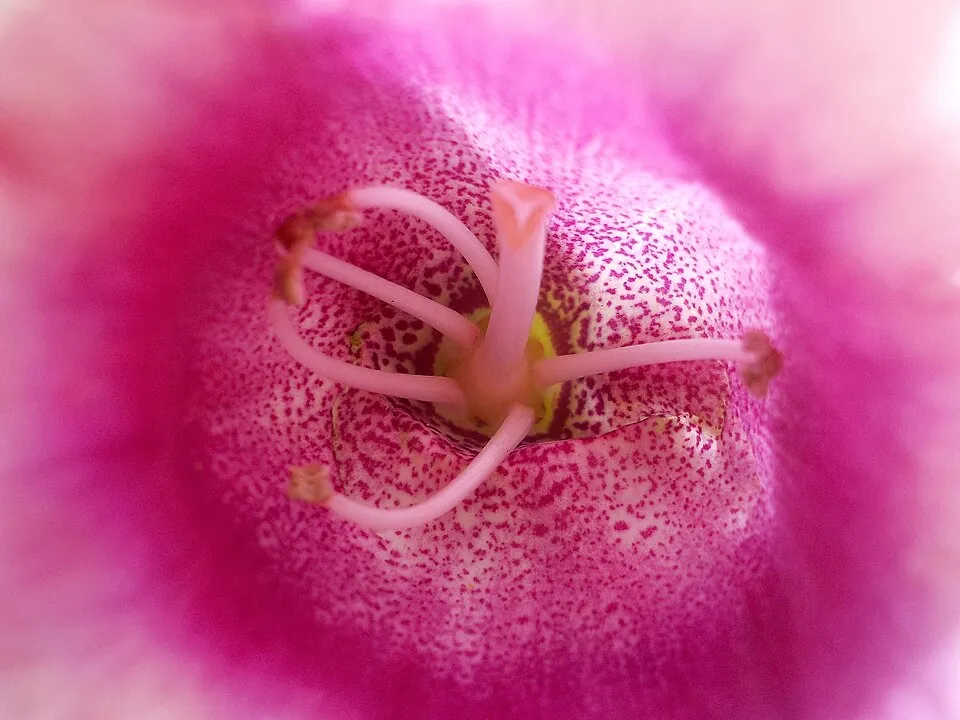
Sinningia speciosa, commonly known as the gloxinia or florist's gloxinia, is an exquisite tuberous perennial herb belonging to the Gesneriaceae family. This captivating plant typically attains a height of 12 to 18 inches, presenting a compact yet lush growth habit.
Its foliage is a striking feature, characterized by large, velvety leaves that can extend up to 6 inches in length. These deep green leaves are arranged in an attractive rosette pattern, exhibiting prominent ribbing that adds to their tactile and visual appeal.
The most celebrated aspect of Sinningia speciosa is its spectacular floral display. The tubular, bell-shaped flowers, which can measure up to 3 inches long, emerge in clusters during its blooming season. They showcase an impressive spectrum of colors, including vivid purple, blue, pink, red, and white, often adorned with intricate patterns, speckles, or contrasting edges on their petals.
These opulent blooms create a vibrant and luxurious spectacle. The plant's stems are distinct, starting soft and succulent at the base and gradually becoming more fibrous towards the flowering structures.
Native to the tropical rainforests of Brazil, Sinningia speciosa thrives naturally in warm, humid subtropical climates. It prefers rich, well-drained soil, mimicking its native understory environment.
Taxonomically, it is part of a diverse family that includes many other ornamental species, underscoring its significant value in horticulture. While predominantly cherished for its aesthetic beauty, its adaptability to indoor conditions makes it a delightful and popular addition to home and office environments globally.
Trusted Scientific References
1. Authoritative external sources for Sinningia speciosa
1.1 Wikipedia — Sinningia speciosa
1.2 Kew POWO (Plants of the World Online)
1.3 PubMed — peer-reviewed research
1.4 NCBI Taxonomy Browser
1.5 GBIF — Global Biodiversity
1.6Sinningia Speciosa should be interpreted through verified botanical identity, practical care, and responsible safety language. This recovery note adds the missing context needed for a complete profile: match light to the plant's habit, use well-drained soil, water according to season, and avoid unsupported medicinal or edible claims. For publishing, the plant can be presented as a source-backed indoor plant with clear care guidance, common problem diagnosis, and conservative safety wording.
1.1.Sinningia Speciosa — Key Features
- ✓ <strong>Botanical Name</strong> — Sinningia speciosa
- ✓ <strong>Common Names</strong> — Gloxinia, Florist's Gloxinia
- ✓ <strong>Plant Family</strong> — Gesneriaceae
- ✓ <strong>Native Region</strong> — Tropical Brazil
- ✓ <strong>Plant Type</strong> — Tuberous perennial herb
- ✓ <strong>Distinctive Flowers</strong> — Large, bell-shaped, vibrant and diverse colors (purple, red, pink, white, blue)
- ✓ <strong>Foliage</strong> — Large, velvety, deep green leaves arranged in a rosette pattern
- ✓ <strong>Growth Habit</strong> — Compact, typically reaching 12-18 inches in height
- ✓ <strong>Primary Use</strong> — Popular indoor ornamental houseplant
- ✓ <strong>Well</strong> — being Benefit — Contributes to mood enhancement and stress reduction through aesthetic value.
1.2.Sinningia Speciosa — Quick Summary
- ✓ Sinningia speciosa, or Gloxinia, is a vibrant ornamental plant native to Brazil.
- ✓ It is prized for its large, velvety leaves and spectacular, colorful, bell-shaped flowers.
- ✓ Primarily valued for its aesthetic appeal, mood-enhancing qualities, and role in horticultural therapy.
- ✓ Folk medicine suggests limited topical anti-inflammatory use, lacking robust scientific validation.
- ✓ Requires bright, indirect light, high humidity, and consistently moist, well-draining soil for optimal growth.
- ✓ Not recommended for internal consumption; potential for mild skin irritation upon contact.
2.Sinningia Speciosa — Scientific Identity
3.Sinningia Speciosa — Quick Facts
4.Sinningia Speciosa — Appearance & Identification
5.Sinningia Speciosa — Native Habitat
6.Sinningia Speciosa — Water Requirements
- ✓ Soil Requirements — Utilize a rich, well-draining potting mix, ideally a blend containing peat moss, perlite, and vermiculite to ensure optimal aeration and moisture retention.
- ✓ Light Exposure — Provide bright, indirect light; direct sunlight can scorch the delicate leaves and flowers, while insufficient light may impede blooming.
- ✓ Watering Practices — Keep the soil consistently moist but never waterlogged. Allow the top inch of soil to dry out slightly before rewatering, reducing frequency during the plant's dormant period.
- ✓ Humidity Levels — Gloxinia thrives in high humidity, ideally above 60%. Employ a pebble tray or humidifier, especially in arid indoor environments, to prevent leaf crisping.
- ✓ Temperature Range — Maintain warm ambient temperatures, typically between 65-75°F (18-24°C), and shield the plant from cold drafts or sudden temperature fluctuations.
- ✓ Fertilization Schedule — During the active growing season (spring and summer), feed with a balanced liquid fertilizer diluted to half strength every 2-4 weeks.
- ✓ Dormancy Care — After flowering, allow the plant to naturally enter dormancy by gradually reducing water and ceasing fertilization until new growth emerges from the tuber.
- ✓ Propagation Techniques — Propagate Sinningia speciosa from leaf cuttings, stem cuttings, or by carefully dividing its tubers, offering versatile options for expansion.
Reviewed by the Flora Medical Global Botanical Review Panel
Multi-disciplinary editorial group · Botany · Ethnobotany · Herbal-medicine literature
Who reviewed this: This page was checked by the Flora Medical Global Botanical Review Panel — an in-house editorial group of botany graduates, ethnobotany researchers, and horticulture practitioners who collectively maintain our 7,000+ plant encyclopedia. Meet the team.
Our 4-step verification process
1. Taxonomic verification
Scientific names and synonyms cross-checked against Kew POWO, World Flora Online, and The Plant List.
2. Phytochemical & medicinal cross-reference
Active compounds, traditional uses, and reported activities are cross-referenced with PubMed, USDA Dr. Duke's database, and peer-reviewed ethnobotanical literature.
3. Conservation & distribution check
Distribution, ecology, and conservation status confirmed against GBIF occurrence records and the IUCN Red List.
4. Editorial & safety review
Every entry passes an editorial pass for clarity, originality, and safety notices (toxicity, contraindications, dosage caveats) before publication.
Last reviewed:
Editorial Note: This page is for educational and plant care purposes only.
Written by: Flora Medical Global Editorial Team
Reviewed by: Flora Medical Global Botanical Review Panel
Last Updated: June 16, 2026







Sinningia Speciosa — Comments & Community Reviews
Rate this plant