
Care Disclaimer: Plant care recommendations are general guidelines based on common growing conditions. Individual results may vary based on your local environment, climate, and care routine. If your plant is toxic, keep it away from children and pets, and consult a veterinarian if accidental ingestion occurs.
1.Ti Plant — Overview

Cordyline fruticosa, widely recognized as the Ti plant, Cabbage palm, or Good Luck plant, is a visually striking perennial evergreen shrub belonging to the Asparagaceae family. While historically classified under Agavaceae or Laxmanniaceae, its current taxonomic placement reflects updated phylogenetic understanding. This remarkable plant is indigenous to a vast region encompassing Southeast Asia, Eastern Australia, New Guinea, Melanesia, and Polynesia. It naturally thrives in the understory of tropical rainforests and open woodlands, preferring warm, humid conditions with well-drained, fertile soil. Its widespread distribution across the Pacific is often linked to ancient human migration patterns, indicating its deliberate cultivation and transport for its profound cultural, spiritual, and utilitarian significance over millennia.
Botanically, Cordyline fruticosa is characterized by its woody, often branching stems that can form dense clumps, reaching heights of up to 3 meters (10 feet) in its native environment, although many cultivated varieties are more compact. The most distinguishing feature is its magnificent crown of elongated, sword-shaped to oblong-lanceolate leaves, which can measure between 30 to 75 centimeters (1 to 2.5 feet) in length. These leaves exhibit an extraordinary spectrum of colors, ranging from vibrant emerald greens to deep ruby reds, rich purples, delicate pinks, and intricate variegated patterns, all dependent on the specific cultivar. New leaves unfurl from the stem apex, revealing their often stunning pigmentation, which tends to intensify with optimal light exposure. During the summer months, the plant produces an inflorescence in the form of a panicle, bearing numerous small, subtly fragrant flowers that can be white, pink, or yellow.
These are subsequently followed by small, spherical reddish berries, typically 0.5 to 1 cm in diameter, each containing several black seeds. Culturally, Cordyline fruticosa holds immense sacred significance throughout many Pacific Islander traditions. In Hawaiian culture, the Ti plant is revered as sacred to the goddess Lāʻieikawai and is extensively utilized for protective purposes, crafting ceremonial leis, and traditional hula skirts (paʻu hula). Historically, its resilient leaves served practical purposes such as food wrappers, durable roofing material (thatch), and even as rain cloaks.
Trusted Scientific References
1. Authoritative external sources for Cordyline Fruticosa
1.1 Wikipedia — Cordyline Fruticosa
1.2 Kew POWO (Plants of the World Online)
1.3 PubMed — peer-reviewed research
1.4 NCBI Taxonomy Browser
1.5 GBIF — Global Biodiversity
1.1.Ti Plant — Key Features
- ✓ <strong>Striking ornamental foliage</strong> — Striking ornamental foliage with diverse colors (green, red, purple, pink).
- ✓ <strong>Native to Southeast</strong> — Native to Southeast Asia and Pacific Islands, deeply embedded in local cultures.
- ✓ <strong>Historically important for</strong> — Historically important for spiritual, utilitarian, and medicinal purposes.
- ✓ <strong>Demonstrated antimicrobial and</strong> — Demonstrated antimicrobial and antifungal activity in scientific studies.
- ✓ <strong>Contains a rich</strong> — Contains a rich array of phytochemicals including phenolics and flavonoids.
- ✓ <strong>Adaptable as an</strong> — Adaptable as an indoor or outdoor plant in suitable climates.
- ✓ <strong>Produces small, fragrant</strong> — Produces small, fragrant flowers followed by reddish berries.
- ✓ <strong>Leaves used for</strong> — Leaves used for traditional food wrappers, thatch, and clothing.
- ✓ <strong>Known as the</strong> — Known as the 'Good Luck Plant' in various traditions.
- ✓ <strong>Fibrous roots and</strong> — Fibrous roots and woody stems characterize its perennial growth.
1.2.Ti Plant — Quick Summary
- ✓ Cordyline fruticosa is a culturally significant tropical plant known as Ti plant.
- ✓ Traditionally used in Polynesian medicine for fever, pain, and digestion.
- ✓ Modern research highlights its antimicrobial activity against oral pathogens.
- ✓ Rich in phenolic compounds, flavonoids, saponins, triterpenoids, and alkaloids.
- ✓ Requires warm, humid conditions and indirect light for cultivation.
- ✓ Safety data for internal medicinal use is limited; consult a professional.
2.Ti Plant — Scientific Identity
3.Ti Plant — Quick Facts
4.Ti Plant — Appearance & Identification
5.Ti Plant — Native Habitat
6.Ti Plant — Water Requirements
- ✓ Climate Preference — Thrives in warm, humid tropical and subtropical climates, ideally with temperatures between 18-35°C (65-95°F).
- ✓ Light Requirements — Prefers bright, indirect light or partial shade; direct, intense sun can scorch leaves, especially for colorful varieties.
- ✓ Soil Composition — Requires well-drained, fertile soil rich in organic matter, with a slightly acidic to neutral pH (6.0-7.0).
- ✓ Watering Schedule — Keep soil consistently moist but not waterlogged; reduce watering slightly in cooler months.
- ✓ Humidity Needs — Benefits from high humidity, which can be maintained by misting, using a pebble tray, or placing near a humidifier.
- ✓ Fertilization — Feed monthly during the growing season (spring and summer) with a balanced liquid fertilizer diluted to half strength.
- ✓ Propagation — Easily propagated from stem cuttings or rhizome divisions, which root readily in warm, moist conditions.
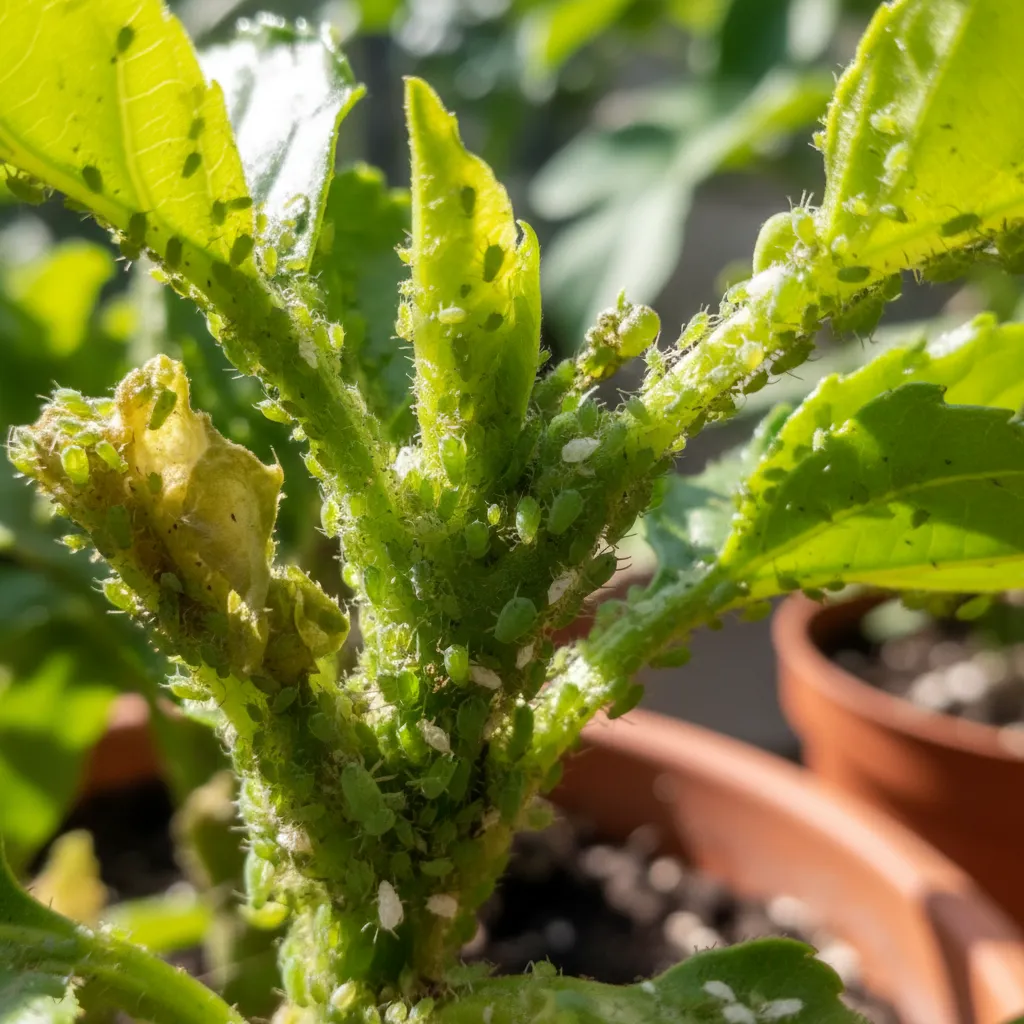
- ✓ Pest and Disease Management — Generally robust but can be susceptible to spider mites, mealybugs, and root rot if overwatered; ensure good air circulation.
Reviewed by the Flora Medical Global Botanical Review Panel
Multi-disciplinary editorial group · Botany · Ethnobotany · Herbal-medicine literature
Who reviewed this: This page was checked by the Flora Medical Global Botanical Review Panel — an in-house editorial group of botany graduates, ethnobotany researchers, and horticulture practitioners who collectively maintain our 7,000+ plant encyclopedia. Meet the team.
Our 4-step verification process
1. Taxonomic verification
Scientific names and synonyms cross-checked against Kew POWO, World Flora Online, and The Plant List.
2. Phytochemical & medicinal cross-reference
Active compounds, traditional uses, and reported activities are cross-referenced with PubMed, USDA Dr. Duke's database, and peer-reviewed ethnobotanical literature.
3. Conservation & distribution check
Distribution, ecology, and conservation status confirmed against GBIF occurrence records and the IUCN Red List.
4. Editorial & safety review
Every entry passes an editorial pass for clarity, originality, and safety notices (toxicity, contraindications, dosage caveats) before publication.
Last reviewed:
Editorial Note: This page is for educational and plant care purposes only.
Written by: Flora Medical Global Editorial Team
Reviewed by: Flora Medical Global Botanical Review Panel
Last Updated: June 21, 2026







Ti Plant — Comments & Community Reviews
Rate this plant
No reviews yet. Be the first!