

Care Disclaimer: Plant care recommendations are general guidelines based on common growing conditions. Individual results may vary based on your local environment, climate, and care routine. If your plant is toxic, keep it away from children and pets, and consult a veterinarian if accidental ingestion occurs.
1.Ti Plant Red — Overview
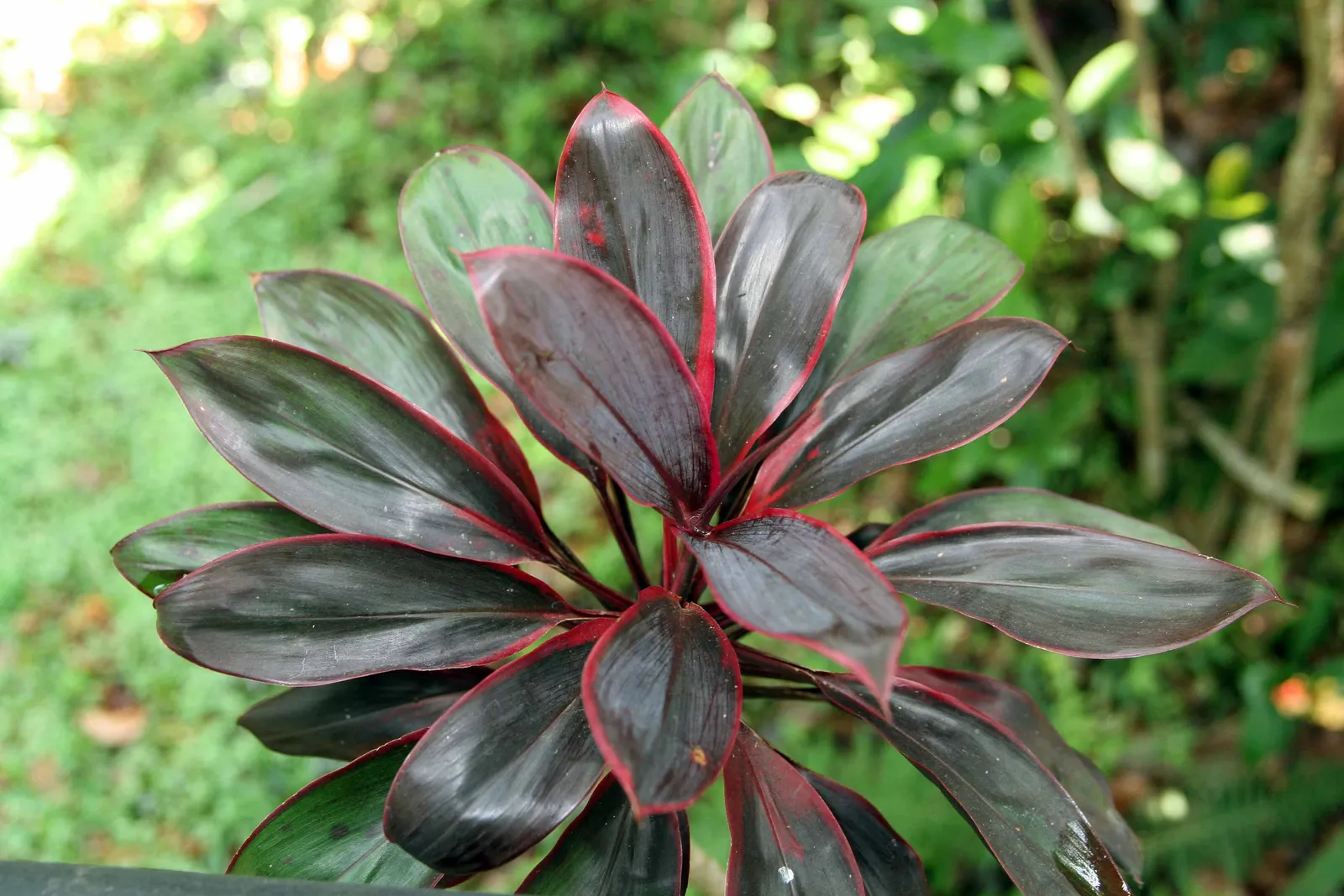
Cordyline terminalis, widely known as the Ti Plant Red or Hawaiian Good Luck Plant, is a captivating perennial shrub belonging to the Asparagaceae family, a member of the Asparagales order. This species is indigenous to the lush tropical and subtropical regions spanning Southeast Asia, Eastern Australia, and the Pacific Islands, including Hawaii, where it holds significant cultural importance. Characterized by its upright, woody stem, the Ti Plant can achieve heights of up to 10 feet in its natural habitat, though typically remaining smaller when cultivated indoors.
Its most distinctive feature is the striking foliage, comprising long, spear-shaped leaves that emerge in a vibrant rosette pattern at the stem’s apex. While varieties exist with green or variegated leaves, the 'Red' cultivar is celebrated for its deep burgundy to brilliant red hues, often intensifying with sun exposure. Small, often fragrant, white or pinkish-purple flowers may appear on tall terminal spikes during warmer months, followed by red berries, though flowering is less common in indoor settings.
The plant thrives in consistently moist, well-draining, fertile soil and prefers bright, indirect sunlight, demonstrating adaptability to a range of environmental conditions. Its aesthetic appeal, coupled with its historical and cultural roles, makes the Ti Plant Red a cherished botanical specimen globally.
Trusted Scientific References
1. Authoritative external sources for Cordyline terminalis
1.1 Wikipedia — Cordyline terminalis
1.2 Kew POWO (Plants of the World Online)
1.3 PubMed — peer-reviewed research
1.4 NCBI Taxonomy Browser
1.5 GBIF — Global Biodiversity
1.6Ti Plant Red should be interpreted through verified botanical identity, practical care, and responsible safety language. This recovery note adds the missing context needed for a complete profile: match light to the plant's habit, use well-drained soil, water according to season, and avoid unsupported medicinal or edible claims. For publishing, the plant can be presented as a source-backed indoor plant with clear care guidance, common problem diagnosis, and conservative safety wording.
1.1.Ti Plant Red — Key Features
- ✓ <strong>Striking Red Foliage</strong> — Deep burgundy to bright red leaves provide year-round aesthetic appeal.
- ✓ <strong>Cultural Significance</strong> — Revered in Hawaiian and Polynesian cultures as a 'Good Luck Plant' and for traditional ceremonies.
- ✓ <strong>Adaptable Ornamental</strong> — Popular as an indoor plant or outdoor shrub in tropical climates.
- ✓ <strong>Rich Phytochemistry</strong> — Contains beneficial compounds like flavonoids, saponins, and tannins.
- ✓ <strong>Antioxidant Powerhouse</strong> — High in compounds that combat oxidative stress.
- ✓ <strong>Traditional Medicinal Uses</strong> — Employed for skin ailments, fever, dysentery, and more.
- ✓ <strong>Tropical Perennial Shrub</strong> — Woody stem and spear-shaped leaves typical of its growth habit.
- ✓ <strong>Moderate Maintenance</strong> — Relatively easy to care for with proper light and watering.
- ✓ <strong>Edible Uses</strong> — Leaves used to wrap food for cooking in traditional cuisine.
- ✓ <strong>Ethnobotanical Importance</strong> — Deeply integrated into the traditional practices of its native regions.
1.2.Ti Plant Red — Quick Summary
- ✓ Cordyline terminalis is a vibrant ornamental and culturally significant plant.
- ✓ Native to Southeast Asia and Pacific Islands, known for red foliage.
- ✓ Traditionally used for skin irritations, fever, and digestive issues.
- ✓ Rich in antioxidants like flavonoids, anthocyanins, and saponins.
- ✓ Offers potential anti-inflammatory, antimicrobial, and hypolipidemic benefits.
- ✓ Requires warm, humid conditions and indirect light for optimal growth.
2.Ti Plant Red — Scientific Identity
3.Ti Plant Red — Quick Facts
4.Ti Plant Red — Appearance & Identification
5.Ti Plant Red — Native Habitat
6.Ti Plant Red — Water Requirements
- ✓ Soil Preference — Use a fertile, well-draining potting mix, ideally slightly acidic to neutral, rich in organic matter.
- ✓ Watering Regimen — Water regularly to keep the soil consistently moist but not waterlogged, allowing the top inch of soil to dry out between waterings.
- ✓ Light Requirements — Thrives in bright, indirect sunlight. Direct sun can scorch leaves, while too little light may diminish the vibrant red coloration.
- ✓ Temperature and Humidity — Prefers warm temperatures between 65-80°F (18-27°C) and high humidity. Protect from frost and cold drafts.
- ✓ Fertilization — During the active growing season (spring and summer), apply a balanced liquid fertilizer monthly to encourage robust growth.
- ✓ Propagation — Easily propagated from stem cuttings placed in water or moist soil, or from sections of the rhizome.
- ✓ Pest and Disease Management — Generally resilient but inspect regularly for common pests like spider mites and mealybugs. Ensure good air circulation to prevent fungal issues.
- ✓ Pruning — Prune to maintain desired size and shape, removing any yellowing or damaged leaves to promote bushier growth.
Reviewed by the Flora Medical Global Botanical Review Panel
Multi-disciplinary editorial group · Botany · Ethnobotany · Herbal-medicine literature
Who reviewed this: This page was checked by the Flora Medical Global Botanical Review Panel — an in-house editorial group of botany graduates, ethnobotany researchers, and horticulture practitioners who collectively maintain our 7,000+ plant encyclopedia. Meet the team.
Our 4-step verification process
1. Taxonomic verification
Scientific names and synonyms cross-checked against Kew POWO, World Flora Online, and The Plant List.
2. Phytochemical & medicinal cross-reference
Active compounds, traditional uses, and reported activities are cross-referenced with PubMed, USDA Dr. Duke's database, and peer-reviewed ethnobotanical literature.
3. Conservation & distribution check
Distribution, ecology, and conservation status confirmed against GBIF occurrence records and the IUCN Red List.
4. Editorial & safety review
Every entry passes an editorial pass for clarity, originality, and safety notices (toxicity, contraindications, dosage caveats) before publication.
Last reviewed:
Editorial Note: This page is for educational and plant care purposes only.
Written by: Flora Medical Global Editorial Team
Reviewed by: Flora Medical Global Botanical Review Panel
Last Updated: June 16, 2026







Ti Plant Red — Comments & Community Reviews
Rate this plant