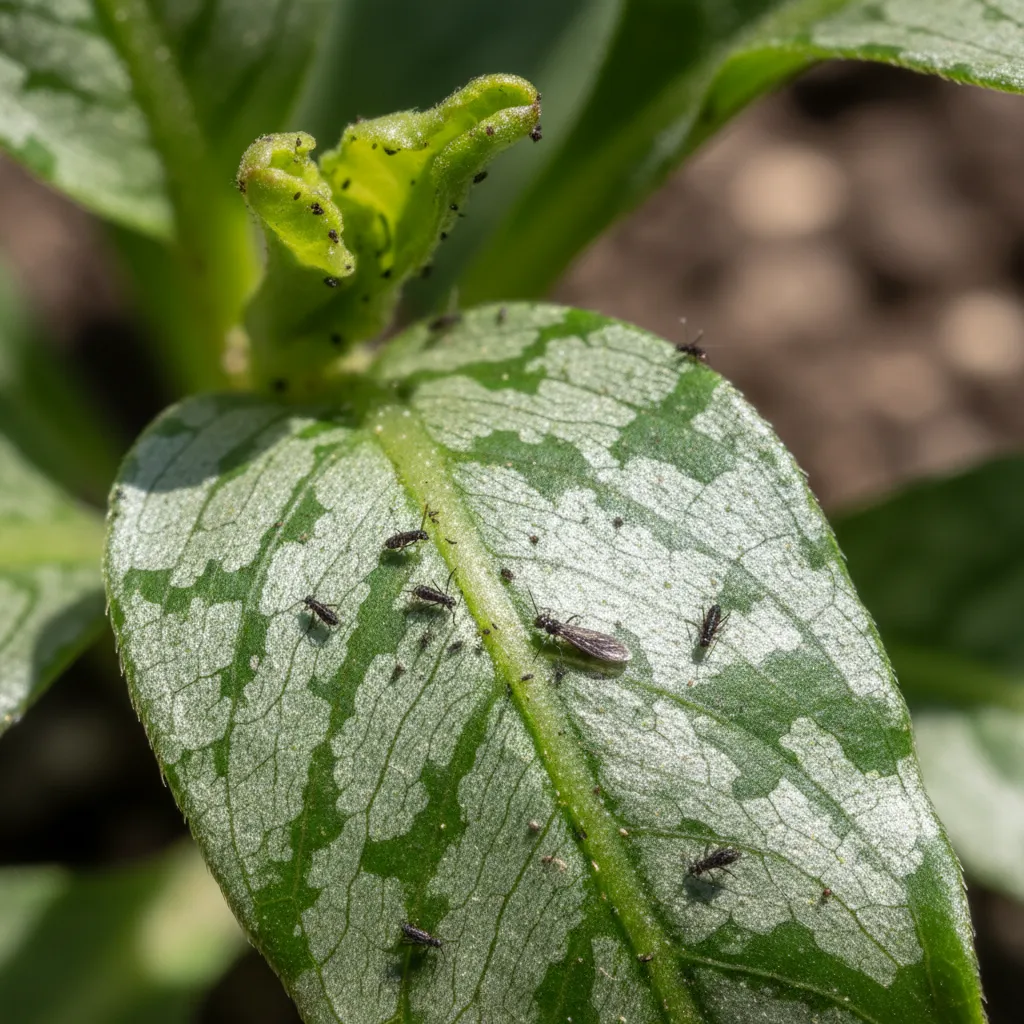
Scientific name: Zamioculcas zamiifolia Zamicro
Bengali name: জামিওকুলকাস জ্যামিক্রো
Family: Araceae
Genus: Zamioculcas
Origin: East Africa (Kenya, Tanzania, Mozambique)
Quick Summary
✓ Resilient and low-maintenance ornamental houseplant. ✓ Known for its air-purifying capabilities indoors. ✓ Contains toxic calcium oxalate crystals in all parts. ✓ Highly drought-tolerant due to water-storing rhizomes. ✓ Native to subtropical Eastern Africa, adaptable to various light. ✓ Primarily for aesthetic and environmental benefits, not internal medicinal use.
Key Features
✓ Glossy, dark green, pinnately compound leaves. ✓ Exceptional drought tolerance and water-storing rhizomes. ✓ Low-maintenance and adaptable to various indoor conditions. ✓ Recognized for its indoor air-purifying properties. ✓ Compact 'Zamicro' cultivar ideal for smaller spaces. ✓ Contains irritant calcium oxalate crystals, making it toxic. ✓ Slow growth rate, ideal for long-term decorative use. ✓ Thrives in bright, indirect light but tolerates low light. ✓ Native to Eastern African subtropical regions. ✓ Highly resistant to most pests and diseases.
Description
Zamioculcas zamiifolia 'Zamicro', commonly known as the ZZ plant or Zanzibar Gem, is a compact cultivar of the widely popular Zamioculcas zamiifolia species. This resilient perennial herb, belonging to the Araceae family, is distinguished by its glossy, deep green, pinnately compound leaves arranged symmetrically along thick, fleshy stems. These stems and its prominent, potato-like rhizomes are specialized for water storage, contributing to its exceptional drought tolerance. The 'Zamicro' cultivar typically maintains a smaller, denser growth habit compared to the standard species, making it an ideal choice for confined indoor spaces or desktop display. Native to the arid and semi-arid subtropical regions of eastern Africa, encompassing countries like Tanzania, Kenya, Malawi, Mozambique, and Zimbabwe, Zamioculcas zamiifolia thrives in shaded understories, often beneath larger vegetation. Its natural habitat dictates its preference for well-draining soil and ability to withstand periods of dryness. While primarily cultivated as an ornamental houseplant globally, cherished for its aesthetic appeal and minimal care requirements, it is also recognized for its capacity to improve indoor air quality by filtering certain airborne toxins. Though inconspicuous, it can produce a small, yellow-green spathe and spadix inflorescence under optimal conditions, usually hidden at the base of the plant. Its slow growth rate and robust nature solidify its status as a favored choice for both novice and experienced plant enthusiasts.Trusted Scientific References
Authoritative external sources for Zamioculcas zamiifolia Zamicro:
Medicinal Benefits
✓ Air Purification — Zamioculcas zamiifolia, like many houseplants, contributes to improving indoor air quality by absorbing certain volatile organic compounds (VOCs) from the environment. ✓ Aesthetic Well-being — Its lush, vibrant foliage and ease of care provide psychological benefits, reducing stress and enhancing mood through biophilic design. ✓ Traditional Energetic Placement — In some cultural practices, the ZZ plant is valued for its perceived ability to attract positive energy and prosperity when strategically placed in living or working spaces. ✓ Environmental Resilience — Its remarkable drought tolerance and adaptability make it a sustainable choice for greening indoor environments with minimal resource input. ✓ Potential Antioxidant Support (from constituents) — Compounds like quercetin, luteolin, ferulic acid, and caffeic acid, found in the plant, are known for their antioxidant properties in isolated studies. ✓ Potential Anti-inflammatory Effects (from constituents) — Flavonoids and phytosterols present in Zamioculcas zamiifolia have demonstrated anti-inflammatory activities in various in vitro and animal models. ✓ Potential Cholesterol Management (from constituents) — Phytosterols such as beta-sitosterol, stigmasterol, and campesterol are recognized for their ability to help lower cholesterol levels in humans when consumed (though not from this plant directly). ✓ Potential Antimicrobial Activity (from constituents) — Certain flavonoids and phenolic acids are known to exhibit antimicrobial properties against various pathogens in laboratory settings. ✓ Support for Indoor Humidity — While not a primary humidifier, the presence of plants generally contributes to maintaining ambient indoor humidity levels.
Benefits
• Low maintenance and drought-tolerant, making it ideal for busy individuals. • Excellent air purifier, helping to remove toxins from indoor air. • Enhances the aesthetic appeal of interior spaces with its glossy foliage. • Suitable for various lighting conditions, including low light. • Can improve mental well-being by adding a touch of greenery. • Long lifespan, with proper care lasting many years.
Advantages of Growing
- Common Name — Zamioculcas Zamicro, ZZ Plant.
- Scientific Name — Zamioculcas zamiifolia 'Zamicro'.
- Description — The Zamicro is a compact, dwarf variety of the popular ZZ Plant, known for its glossy, dark green leaves and extremely low maintenance.
- Light Requirements — Thrives in low to bright indirect light. Avoid direct sunlight which can scorch its leaves.
- Watering — Water thoroughly when the soil is completely dry. Drought-tolerant and susceptible to root rot if overwatered.
- Soil — A well-draining potting mix is essential. Cactus or succulent mix is ideal.
- Special Features — Extremely resilient and tolerant of neglect, perfect for beginners.
Diseases & Conditions Treated
- Indoor Air Pollutants
- Airborne Toxins
- Stale Indoor Air
- Visual Fatigue (aesthetic benefit)
- Stress (indirect, through plant presence)
- Poor Indoor Aesthetics
- Low Humidity (tolerates dry air, not a humidifier)
- General Well-being (indirect)
Chemical Constituents
✓ Calcium Oxalate Crystals — Present throughout the plant, these needle-like crystals are responsible for the plant's irritant and toxic properties upon contact or ingestion. ✓ Flavonoids — Includes apigenin-6-C-8-C-diglucoside, luteolin, and quercetin, known for their potent antioxidant, anti-inflammatory, and potential antiviral activities. ✓ Phytosterols — Comprising beta-sitosterol, stigmasterol, and campesterol, these compounds are recognized for their cholesterol-lowering effects and anti-inflammatory properties. ✓ Phenolic Acids — Contains ferulic acid and caffeic acid, which are powerful antioxidants and contribute to the plant's defense mechanisms against environmental stressors. ✓ Anthraquinones — A class of compounds that can have laxative properties, although their presence in Zamioculcas zamiifolia contributes to its overall toxicity and is not utilized medicinally. ✓ Glycosides — Such as apigenin-6-C-8-C-diglucoside, where a flavonoid molecule is bound to sugar, influencing its solubility and biological activity. ✓ Terpenoids — While not explicitly detailed, many plants in the Araceae family contain various terpenoids that contribute to their aroma, defense, and physiological functions. ✓ Saponins — These are sometimes found in aroids and can contribute to their irritant properties, though specific data for Zamioculcas is less prominent. ✓ Fatty Acids — Present in plant tissues, contributing to cell membrane structure and energy storage.
Usage Method
✓ Ornamental Houseplant — Cultivated primarily for its attractive, glossy foliage and robust nature, enhancing indoor aesthetics. ✓ Indoor Air Purification — Positioned in homes or offices to naturally help filter airborne toxins and improve air quality. ✓ Decorative Landscaping — In tropical and subtropical climates (USDA Zones 9-11), it can be used outdoors in shaded garden beds or containers. ✓ Feng Shui Placement — Utilized in practices like Feng Shui to promote positive energy, prosperity, and a sense of well-being in living spaces. ✓ Educational Specimen — Serves as an excellent example of a succulent aroid adapted to arid conditions, showcasing unique plant physiology. ✓ Propagative Cultivation — Leaves or rhizome divisions are used to produce new plants for personal enjoyment, gifting, or commercial purposes. ✓ Not for Internal Use — Emphatically, no part of the Zamioculcas zamiifolia 'Zamicro' should ever be ingested due to its high toxicity. ✓ Greenery for Low-Light Areas — Ideal for brightening spaces that receive limited natural light, where many other plants would struggle.
Cultivation Method
✓ Soil — Use a well-draining potting mix, ideally slightly acidic to neutral, often amended with perlite or sand to prevent waterlogging. ✓ Light — Prefers bright, indirect light; tolerates low light conditions but may result in leggy growth. Avoid direct, intense sunlight which can scorch leaves. ✓ Watering — Water thoroughly but infrequently, allowing the soil to dry out completely between waterings to prevent rhizome rot, a common issue. ✓ Temperature — Thrives in average room temperatures between 18-26°C (64-79°F). Protect from temperatures below 15°C (60°F). ✓ Fertilization — Fertilize sparingly during the active growing season (spring/summer) with a balanced liquid fertilizer, typically once every 2-4 months. ✓ Propagation — Easily propagated by leaf cuttings, though rooting can take several months to a year. Division of rhizomes is a faster method for mature plants. ✓ Potting — Prefers to be slightly root-bound; repot only when necessary, typically every 2-3 years, into a pot only slightly larger than the previous one. ✓ Pests & Diseases — Generally highly resistant to most pests and diseases, making it a low-maintenance choice.
Environment & Growth
The ZZ plant thrives in environments with indirect light, making it perfect for indoor settings. It prefers average humidity levels and can adapt to varying temperatures but does best between 60°F to 75°F (15°C to 24°C). ZZ plants prefer well-drained potting soil enriched with organic matter. Avoid prolonged exposure to direct sunlight, as this can scorch the leaves. An ideal indoor location would be near windows with filtered light or in rooms that retain warmth without excessive humidity.
Care Tips
Water infrequently, allowing soil to dry out completely between waterings. In low light conditions, reduce watering frequency. Use a pot with drainage holes to prevent root rot. Prune dead leaves to encourage new growth. Fertilize sparingly; over-fertilization can harm the plant. Regularly check for pests like spider mites or mealybugs. Dust leaves occasionally to maintain their glossy appearance and promote photosynthesis.
Safety Profile
✓ Highly Toxic — All parts of Zamioculcas zamiifolia 'Zamicro' contain insoluble calcium oxalate crystals, making it toxic if ingested. ✓ Never Ingest — Under no circumstances should any part of this plant be consumed by humans or animals. ✓ Handle with Gloves — Always wear protective gloves when handling, pruning, or repotting to prevent skin contact with the irritant sap. ✓ Keep Out of Reach — Place the plant in locations inaccessible to children and pets to avoid accidental contact or ingestion. ✓ Wash Hands Thoroughly — After any contact with the plant, even if wearing gloves, wash hands thoroughly with soap and water. ✓ First Aid for Contact — In case of skin or eye contact, rinse the affected area immediately and thoroughly with plenty of water. Seek medical attention if irritation persists or is severe. ✓ No Traditional Internal Use — There are no established safe traditional or modern medicinal uses for internal consumption of Zamioculcas zamiifolia.
Side Effects
✓ Skin Irritation — Contact with the sap can cause skin redness, itching, burning, and dermatitis due to calcium oxalate crystals. ✓ Oral and Mucosal Irritation — Ingestion of any plant part leads to intense burning, swelling, and pain in the mouth, throat, and lips. ✓ Digestive Upset — Accidental ingestion can result in severe nausea, vomiting, stomach pain, and diarrhea. ✓ Eye Irritation — Direct contact of sap with eyes can cause pain, redness, swelling, and temporary vision disturbances. ✓ Allergic Reactions — While uncommon, sensitive individuals may experience more pronounced allergic responses to plant components. ✓ Toxicity to Pets — Highly toxic to cats, dogs, and other animals if ingested, leading to similar oral and digestive symptoms. ✓ Respiratory Distress — In rare, severe cases of ingestion, significant swelling in the throat can potentially impede breathing.
Cultural Significance
Zamioculcas zamiifolia 'Zamicro' is a cultivar of the popular ZZ Plant, and its cultural significance is almost entirely tied to its horticultural heritage, particularly as a resilient and stylish indoor plant in the modern era. Originating from Eastern Africa, the wild Zamioculcas zamiifolia has a history of medicinal use in some traditional African practices, where decoctions from its leaves or roots were reportedly used to treat various ailments, though these uses are not widely documented or scientifically validated in the mainstream. Its ability to survive long periods of drought, attributed to its rhizomes and thick, waxy leaves, made it a symbol of resilience in its native habitats. The global popularity of the ZZ Plant, and subsequently its compact 'Zamicro' cultivar, surged in the late 20th and early 21st centuries. Its extraordinary tolerance for neglect, low light, and infrequent watering cemented its status as an ideal houseplant, especially for beginners or those with busy lifestyles. 'Zamicro' specifically caters to smaller spaces, making it a favorite for modern urban living. Its sleek, minimalist aesthetic has made it a darling of interior designers, symbolizing contemporary elegance and ease of care. In this context, its cultural significance is less about ancient rituals and more about its profound impact on indoor gardening, representing adaptability, enduring beauty, and the triumph of a plant that truly thrives on being left alone.
Quick Facts
| Category | indoor |
|---|---|
| Family | Araceae |
| Genus | Zamioculcas |
| Species epithet | zamiifolia |
| Life cycle | Perennial |
| Growth habit | Herb |
| Mature height | 1-3 ft |
| Sun requirement | Partial Shade |
| Water need | Low |
| Soil pH | 6.0-7.0 |
| USDA zone | 9-11 |
| Toxicity level | Mild |
| Edibility | Not edible |
| Conservation status | NE |