
Care Disclaimer: Plant care recommendations are general guidelines based on common growing conditions. Individual results may vary based on your local environment, climate, and care routine. If your plant is toxic, keep it away from children and pets, and consult a veterinarian if accidental ingestion occurs.
1.Aluminum Plant — Overview
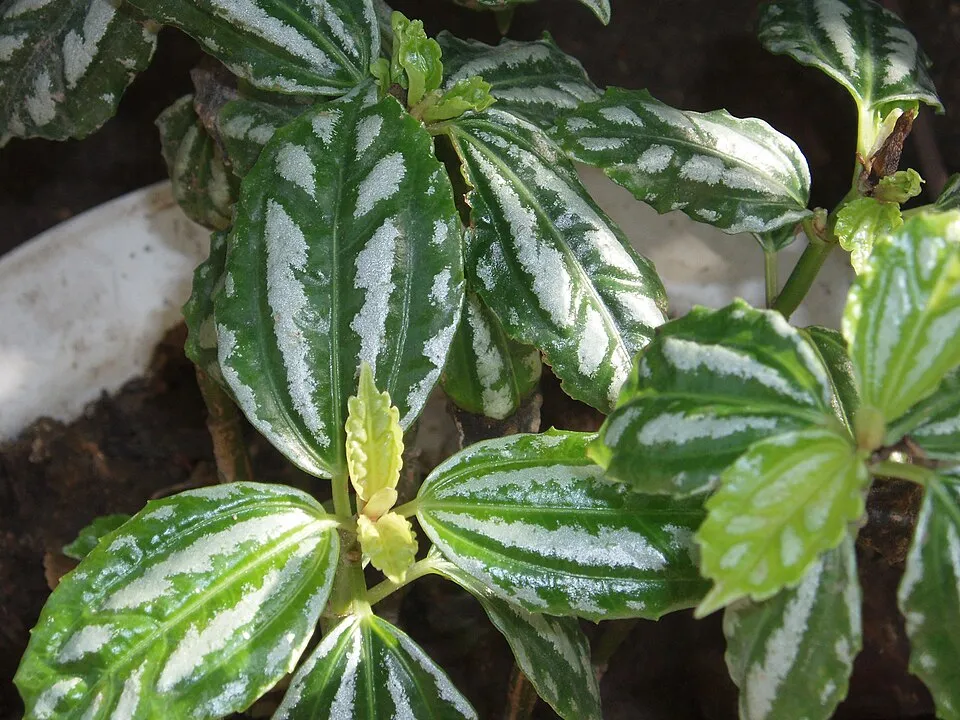
The Aluminum Plant, scientifically known as Pilea cadierei, is a captivating perennial herbaceous species belonging to the Urticaceae family, often admired for its striking foliage. Native to the tropical understory regions of Vietnam and Southern China, it thrives in warm, humid environments, typically growing as a ground cover in shady, moist conditions. This species derives its common name from the distinctive silvery-grey, metallic-looking splashes that adorn its olive-green, somewhat blistered leaves.
These unique markings are not due to actual metal but rather to intricate air pockets beneath the epidermal layer, which reflect light in a characteristic way. Discovered and introduced into cultivation during the mid-20th century, Pilea cadierei quickly became a favored houseplant globally due to its aesthetic appeal, compact growth habit, and relatively undemanding care requirements. It typically forms an upright, shrubby clump, reaching heights of 6 to 12 inches.
The elliptic to obovate leaves are serrated along the margins, presenting four prominent rows of the characteristic silver patches, which also give rise to its alternative common names like Watermelon Pilea or Watermelon Plant. While its tiny green cymes are rarely observed in indoor cultivation, its primary ornamental value lies in its vibrant and textured leaves, making it a popular choice for enhancing indoor air quality and contributing to biophilic design in homes and offices.
Trusted Scientific References
1. Authoritative external sources for Pilea cadierei
1.1 Wikipedia — Pilea cadierei
1.2 Kew POWO (Plants of the World Online)
1.3 PubMed — peer-reviewed research
1.4 NCBI Taxonomy Browser
1.5 GBIF — Global Biodiversity
1.6Aluminum Plant should be interpreted through verified botanical identity, practical care, and responsible safety language. This recovery note adds the missing context needed for a complete profile: match light to the plant's habit, use well-drained soil, water according to season, and avoid unsupported medicinal or edible claims. For publishing, the plant can be presented as a source-backed indoor plant with clear care guidance, common problem diagnosis, and conservative safety wording.
1.1.Aluminum Plant — Key Features
- ✓ <strong>Distinctive silver</strong> — splashed, olive-green leaves that resemble brushed aluminum.
- ✓ <strong>Compact, upright herbaceous</strong> — Compact, upright herbaceous perennial growth habit, typically 6-12 inches tall.
- ✓ <strong>Belongs to the</strong> — Belongs to the Urticaceae family, native to tropical regions of Vietnam and Southern China.
- ✓ <strong>Highly popular as</strong> — Highly popular as an indoor ornamental plant due to its unique aesthetic appeal.
- ✓ <strong>Thrives in high</strong> — Thrives in high humidity and bright, indirect light, making it suitable for many indoor environments.
- ✓ <strong>Contains beneficial phytochemicals</strong> — Contains beneficial phytochemicals such as flavonoids and phenolic acids, indicating antioxidant potential.
- ✓ <strong>Relatively low maintenance</strong> — Relatively low maintenance and easy to care for, suitable for beginner plant enthusiasts.
- ✓ <strong>Easily propagated from</strong> — Easily propagated from stem cuttings, allowing for simple plant replacement or expansion.
- ✓ <strong>Contributes to indoor</strong> — Contributes to indoor air quality and enhances biophilic design in homes and offices.
- ✓ <strong>Leaves have a</strong> — Leaves have a textured, somewhat blistered appearance, adding to their visual interest.
1.2.Aluminum Plant — Quick Summary
- ✓ Aluminum Plant (Pilea cadierei) is a popular ornamental houseplant known for its distinctive silver-splashed foliage.
- ✓ Native to tropical Vietnam, it thrives in warm, humid, indirect light conditions.
- ✓ Its phytochemical profile includes flavonoids and phenolic compounds, suggesting potential antioxidant and anti-inflammatory activities.
- ✓ Specific medicinal research on P. cadierei is nascent, with traditional uses more documented for its relatives within the Pilea genus.
- ✓ Generally considered non-toxic for common household pets, but internal consumption by humans is not recommended due to limited safety data.
- ✓ Easy to care for and propagate, making it a favorite for indoor gardening and biophilic design.
2.Aluminum Plant — Scientific Identity
3.Aluminum Plant — Quick Facts
4.Aluminum Plant — Appearance & Identification
5.Aluminum Plant — Native Habitat
6.Aluminum Plant — Water Requirements
- ✓ Indoor Environment — Thrives best indoors in a warm, humid environment, mimicking its native tropical understory habitat.
- ✓ Light Requirements — Prefers bright, indirect light; direct full sun can scorch its delicate leaves.
- ✓ Soil and Potting — Use a well-draining, peaty soil-based potting mix to ensure adequate moisture retention without waterlogging.
- ✓ Watering Schedule — Water moderately during the active growing season, allowing the top inch of soil to dry out between waterings; reduce frequency in fall and winter.
- ✓ Humidity Management — Benefits significantly from high humidity; consider placing on a bed of wet pebbles or using a room humidifier.
- ✓ Pruning and Maintenance — Pinch stem tips regularly to encourage a bushier, more compact growth habit and prevent legginess.
- ✓ Propagation — Easily propagated from stem cuttings in early spring or summer, allowing for annual replacement of older, less vibrant plants.
- ✓ Pest and Disease Control — Monitor for common houseplant pests like mealybugs, aphids, and spider mites; ensure good air circulation to prevent powdery mildew.
Reviewed by the Flora Medical Global Botanical Review Panel
Multi-disciplinary editorial group · Botany · Ethnobotany · Herbal-medicine literature
Who reviewed this: This page was checked by the Flora Medical Global Botanical Review Panel — an in-house editorial group of botany graduates, ethnobotany researchers, and horticulture practitioners who collectively maintain our 7,000+ plant encyclopedia. Meet the team.
Our 4-step verification process
1. Taxonomic verification
Scientific names and synonyms cross-checked against Kew POWO, World Flora Online, and The Plant List.
2. Phytochemical & medicinal cross-reference
Active compounds, traditional uses, and reported activities are cross-referenced with PubMed, USDA Dr. Duke's database, and peer-reviewed ethnobotanical literature.
3. Conservation & distribution check
Distribution, ecology, and conservation status confirmed against GBIF occurrence records and the IUCN Red List.
4. Editorial & safety review
Every entry passes an editorial pass for clarity, originality, and safety notices (toxicity, contraindications, dosage caveats) before publication.
Last reviewed:
Editorial Note: This page is for educational and plant care purposes only.
Written by: Flora Medical Global Editorial Team
Reviewed by: Flora Medical Global Botanical Review Panel
Last Updated: June 15, 2026







Aluminum Plant — Comments & Community Reviews
Rate this plant