
Care Disclaimer: Plant care recommendations are general guidelines based on common growing conditions. Individual results may vary based on your local environment, climate, and care routine. If your plant is toxic, keep it away from children and pets, and consult a veterinarian if accidental ingestion occurs.
1.Coleus — Overview
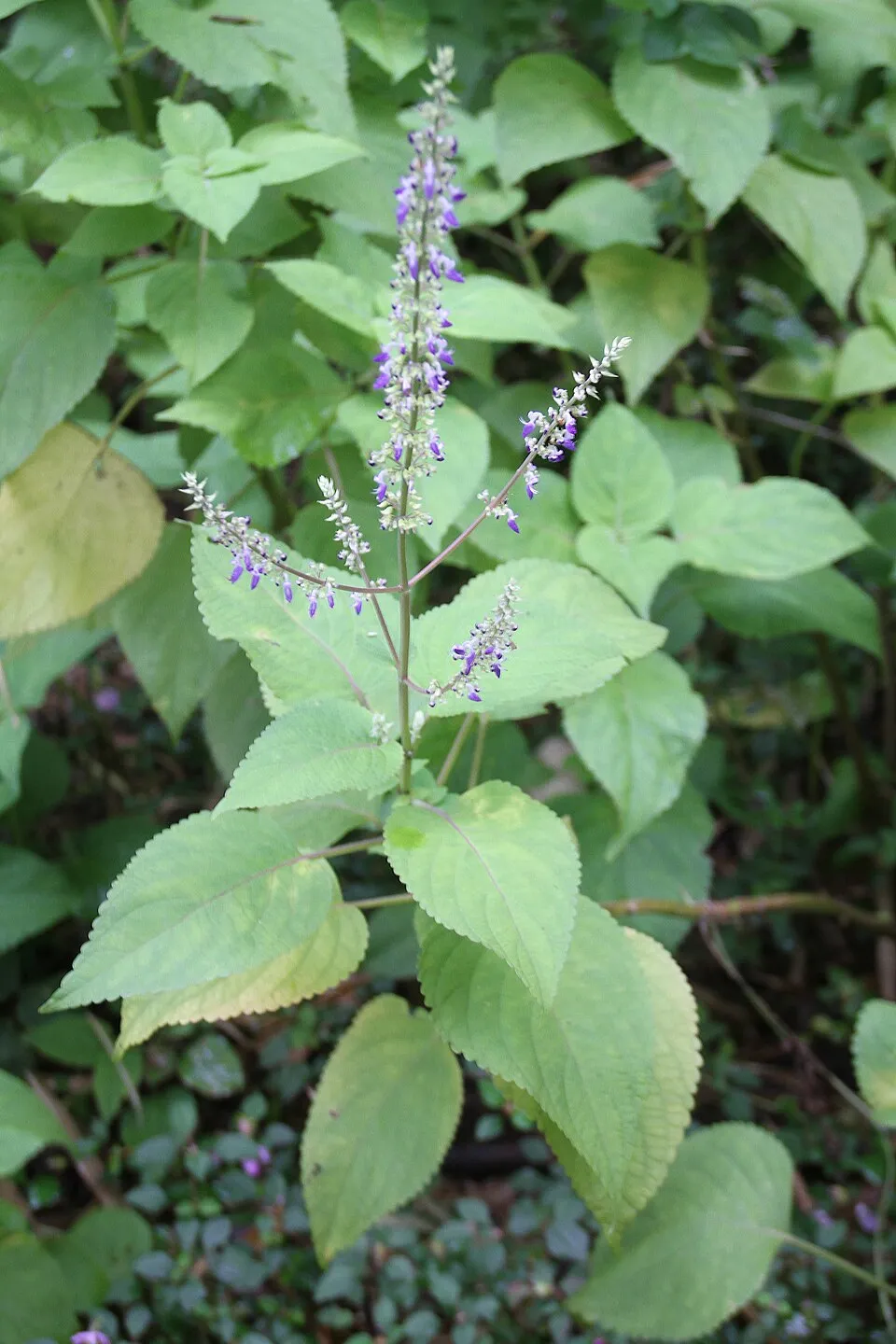
Coleus scutellarioides, widely recognized as Coleus or Painted Nettle, is a remarkably diverse herbaceous perennial belonging to the Lamiaceae family, the mint family. Native to the lush tropical and subtropical zones of Southeast Asia, Malaysia, and Australia, this species is predominantly celebrated for its extraordinarily vibrant and variegated foliage rather than its often-overlooked small, blue to white inflorescences. The plant typically attains a height of 0.6 to 1 meter (2 to 3 feet) and is characterized by the square stems typical of its family, along with opposite, decussate leaves.
These leaves are the plant's most striking feature, displaying an astonishing spectrum of colors including vivid greens, sunny yellows, soft pinks, fiery reds, deep maroons, and rich purples, frequently adorned with intricate patterns, contrasting margins, and prominent venation. This extensive genetic polymorphism in leaf coloration is largely the result of centuries of selective horticultural breeding, transforming a relatively modest wild plant into a global ornamental sensation. Historically, Coleus was introduced to European gardens in the early 19th century and rapidly gained immense popularity during the Victorian era, becoming an indispensable element in formal bedding designs and as a cherished indoor plant.
Its ease of propagation, vigorous growth, and stunning visual impact have secured its enduring presence in gardens and homes worldwide. While Coleus scutellarioides possesses a more limited traditional medicinal application, mainly noted for its mild anti-inflammatory and antiseptic properties in certain folk medicine practices of its native regions, other species within the broader Coleus genus, particularly Coleus forskohlii (now reclassified as Plectranthus barbatus) and Coleus amboinicus (now Plectranthus amboinicus), have much more extensive and well-documented histories in traditional medical systems.
Trusted Scientific References
1. Authoritative external sources for Coleus scutellarioides
1.1 Wikipedia — Coleus scutellarioides
1.2 Kew POWO (Plants of the World Online)
1.3 PubMed — peer-reviewed research
1.4 NCBI Taxonomy Browser
1.5 GBIF — Global Biodiversity
1.1.Coleus — Key Features
- ✓ <strong>Vibrant Foliage</strong> — Famous for its spectacularly colored and patterned leaves.
- ✓ <strong>Lamiaceae Family</strong> — Belongs to the mint family, characterized by square stems and opposite leaves.
- ✓ <strong>Tropical Origin</strong> — Native to tropical and subtropical regions of Southeast Asia and Australia.
- ✓ <strong>Polymorphic Species</strong> — Exhibits extensive genetic variability, especially in leaf coloration.
- ✓ <strong>Forskolin Content (in C. forskohlii)</strong> — Contains the diterpenoid forskolin, a potent adenylate cyclase activator.
- ✓ <strong>Traditional Medicinal Use</strong> — Historically used in Ayurvedic medicine for various conditions (e.g., asthma, hypertension).
- ✓ <strong>Ornamental Popularity</strong> — Widely cultivated worldwide for its aesthetic appeal.
- ✓ <strong>Easy Propagation</strong> — Readily propagated from stem cuttings, contributing to its widespread use.
- ✓ <strong>Herbaceous Perennial</strong> — Grows as an herbaceous perennial in warm climates.
- ✓ <strong>Distinct from Perilla</strong> — Often confused but botanically distinct from Perilla species.
1.2.Coleus — Quick Summary
- ✓ Ornamental and Medicinal — Primarily known for vibrant foliage, but some species offer significant traditional medicinal value.
- ✓ Forskolin Source — *Coleus forskohlii* is the primary source of forskolin, a key bioactive diterpenoid.
- ✓ Diverse Actions — Forskolin exhibits bronchodilatory, vasodilatory, and fat-mobilizing properties.
- ✓ Traditional Uses — Employed in Ayurveda for asthma, hypertension, and glaucoma.
- ✓ Safety Concerns — Contraindicated in pregnancy, bleeding disorders, and low blood pressure.
- ✓ Horticultural Darling — *Coleus scutellarioides* is a popular garden and houseplant globally.
2.Coleus — Scientific Identity
3.Coleus — Quick Facts
4.Coleus — Appearance & Identification
5.Coleus — Native Habitat
6.Coleus — Water Requirements
- ✓ Light — Prefers bright, indirect light; direct afternoon sun can scorch leaves, while too little light diminishes vibrant coloration.
- ✓ Soil — Thrives in well-draining, fertile soil rich in organic matter, with a slightly acidic to neutral pH (6.0-7.0).
- ✓ Watering — Requires consistent moisture; water thoroughly when the top inch of soil feels dry, but avoid waterlogging to prevent root rot.
- ✓ Temperature & Humidity — Best grown in warm temperatures (18-30°C / 65-85°F) and high humidity; protect from frost.
- ✓ Fertilization — Feed every 2-4 weeks during the growing season with a balanced liquid fertilizer diluted to half strength.
- ✓ Propagation — Easily propagated from stem cuttings in water or moist soil; seeds are also viable but may not maintain true-to-type coloration.
- ✓ Pruning — Pinching back growing tips encourages bushier growth and prevents leggy stems, enhancing ornamental appeal.
- ✓ Pests & Diseases — Generally robust, but watch for common pests like aphids, spider mites, and mealybugs; ensure good air circulation to prevent fungal issues.
Reviewed by the Flora Medical Global Botanical Review Panel
Multi-disciplinary editorial group · Botany · Ethnobotany · Herbal-medicine literature
Who reviewed this: This page was checked by the Flora Medical Global Botanical Review Panel — an in-house editorial group of botany graduates, ethnobotany researchers, and horticulture practitioners who collectively maintain our 7,000+ plant encyclopedia. Meet the team.
Our 4-step verification process
1. Taxonomic verification
Scientific names and synonyms cross-checked against Kew POWO, World Flora Online, and The Plant List.
2. Phytochemical & medicinal cross-reference
Active compounds, traditional uses, and reported activities are cross-referenced with PubMed, USDA Dr. Duke's database, and peer-reviewed ethnobotanical literature.
3. Conservation & distribution check
Distribution, ecology, and conservation status confirmed against GBIF occurrence records and the IUCN Red List.
4. Editorial & safety review
Every entry passes an editorial pass for clarity, originality, and safety notices (toxicity, contraindications, dosage caveats) before publication.
Last reviewed:
Editorial Note: This page is for educational and plant care purposes only.
Written by: Flora Medical Global Editorial Team
Reviewed by: Flora Medical Global Botanical Review Panel
Last Updated: June 15, 2026







Coleus — Comments & Community Reviews
Rate this plant