
Care Disclaimer: Plant care recommendations are general guidelines based on common growing conditions. Individual results may vary based on your local environment, climate, and care routine. If your plant is toxic, keep it away from children and pets, and consult a veterinarian if accidental ingestion occurs.
1.Dwarf Umbrella Bonsai — Overview
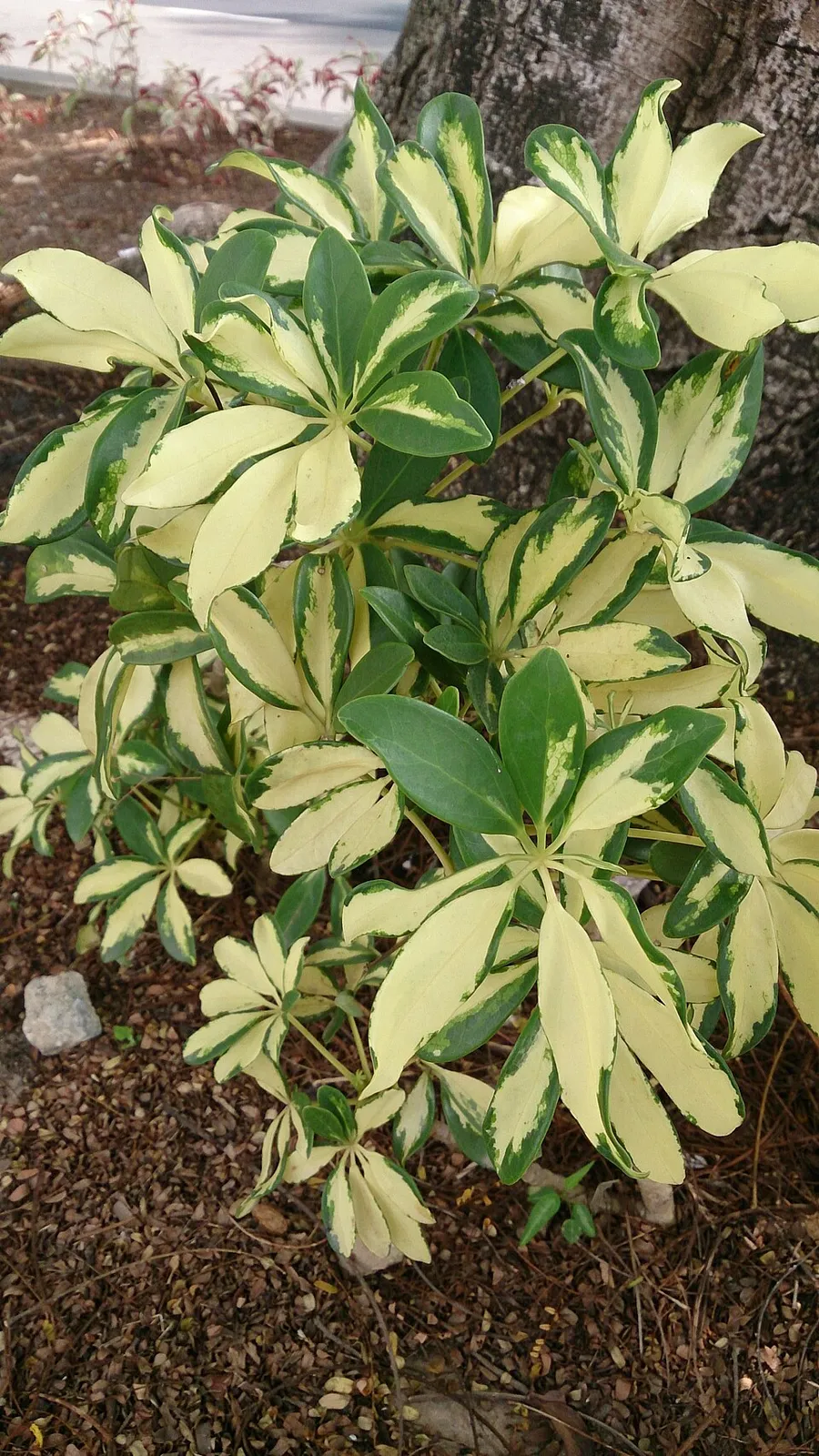
The Dwarf Umbrella Bonsai, scientifically known as Schefflera arboricola dwarf, is a captivating evergreen shrub belonging to the Araliaceae family, renowned for its ornamental qualities. Native to the subtropical regions of Taiwan, and also found across Southeast Asia and Australia, this species typically grows as an understory plant in moist forest environments. When cultivated indoors, it maintains a compact stature, generally ranging from 24 to 36 inches in height, making it an excellent choice for indoor gardens, decorative accents, and bonsai enthusiasts.
Its most distinctive features are its glossy, palmate leaves, which are arranged in a whorled pattern, usually comprising seven to nine obovate to elliptic leaflets that can extend up to 6 inches in length. These vibrant green leaves create a lush, umbrella-like canopy. While flowering is a rare occurrence indoors, when it does happen, the plant produces small, inconspicuous white flowers clustered in panicles.
The bark is smooth and typically light gray, adding to its refined aesthetic appeal. This plant is highly adaptable to indoor conditions, tolerating varied light and humidity levels, though it thrives best with consistent moisture and filtered light, mirroring its natural habitat. Its appealing structure and relatively straightforward care requirements contribute to its widespread popularity as a houseplant.
Trusted Scientific References
1. Authoritative external sources for Schefflera arboricola dwarf
1.1 Wikipedia — Schefflera arboricola dwarf
1.2 Kew POWO (Plants of the World Online)
1.3 PubMed — peer-reviewed research
1.4 NCBI Taxonomy Browser
1.5 GBIF — Global Biodiversity
1.6Dwarf Umbrella Bonsai should be interpreted through verified botanical identity, practical care, and responsible safety language. This recovery note adds the missing context needed for a complete profile: match light to the plant's habit, use well-drained soil, water according to season, and avoid unsupported medicinal or edible claims. For publishing, the plant can be presented as a source-backed indoor plant with clear care guidance, common problem diagnosis, and conservative safety wording.
1.1.Dwarf Umbrella Bonsai — Key Features
- ✓ <strong>Compact Ornamental</strong> — Ideal for indoor spaces and bonsai due to its naturally compact growth habit and appealing aesthetic.
- ✓ <strong>Palmate Foliage</strong> — Features distinctive glossy, palmate leaves with 7-9 leaflets arranged radially, creating an umbrella-like canopy.
- ✓ <strong>Evergreen Plant</strong> — Maintains its vibrant green foliage throughout the year, offering continuous indoor greenery and visual interest.
- ✓ <strong>Adaptable Indoor Plant</strong> — Thrives in typical indoor conditions, tolerating a range of light and humidity levels, though it prefers bright, indirect light.
- ✓ <strong>Low Maintenance</strong> — Relatively easy to care for, making it a suitable choice for both novice and experienced plant enthusiasts.
- ✓ <strong>Air Humidifier</strong> — Contributes to indoor humidity levels through transpiration, which can be beneficial for human comfort.
- ✓ <strong>Toxicity Warning</strong> — Contains calcium oxalate crystals in all parts, rendering it toxic if ingested by pets or humans.
- ✓ <strong>Bonsai Potential</strong> — Highly favored for bonsai cultivation dueating to its pliable stems when young and responsive nature to pruning and shaping.
- ✓ <strong>Smooth Bark</strong> — Possesses an attractive smooth, light gray bark that enhances its ornamental value and adds character.
- ✓ <strong>Tropical Origin</strong> — Native to subtropical Taiwan, it brings an exotic touch to indoor environments.
1.2.Dwarf Umbrella Bonsai — Quick Summary
- ✓ The Dwarf Umbrella Bonsai (Schefflera arboricola dwarf) is a highly valued ornamental indoor plant.
- ✓ Native to Taiwan, it belongs to the Araliaceae family and features distinctive palmate leaves.
- ✓ All parts of the plant contain calcium oxalate crystals, rendering it mildly toxic if ingested by humans or pets.
- ✓ Primarily appreciated for its aesthetic appeal, ease of care, and suitability for bonsai cultivation.
- ✓ It contributes to indoor humidity and biophilic well-being but lacks traditional direct medicinal uses.
- ✓ Requires bright, indirect light, consistent moisture, and protection from cold temperatures.
2.Dwarf Umbrella Bonsai — Scientific Identity
3.Dwarf Umbrella Bonsai — Quick Facts
4.Dwarf Umbrella Bonsai — Appearance & Identification
5.Dwarf Umbrella Bonsai — Native Habitat
6.Dwarf Umbrella Bonsai — Water Requirements
- ✓ Light — Provide bright, indirect light; an east or west-facing window is ideal. Avoid direct, intense sunlight which can scorch the leaves of the Dwarf Umbrella Bonsai.
- ✓ Temperature — Maintain stable indoor temperatures between 18°C and 22°C (65°F-72°F). Protect the plant from cold drafts and ensure temperatures do not drop below 10°C (50°F).
- ✓ Watering — Keep the soil consistently moist but never waterlogged. Allow the top inch of soil to dry out slightly before rewatering, and reduce frequency during winter months.
- ✓ Humidity — This plant thrives in high humidity. Consider placing its pot on a pebble tray filled with water or using a room humidifier to maintain adequate moisture in the air.
- ✓ Soil — Use a well-draining, peat-based potting mix rich in organic matter to provide good aeration and nutrient retention, preventing root rot.
- ✓ Fertilization — During the active growing season (spring to autumn), feed with a balanced liquid fertilizer every 2-4 weeks. Reduce fertilization to once a month or withhold entirely in winter.
- ✓ Pruning — Regular pruning is crucial for maintaining the desired shape, encouraging denser foliage, and promoting ramification, especially when cultivated as a bonsai.
- ✓ Repotting — Repot every 1-2 years in spring to refresh the potting medium and accommodate root growth, being cautious as the fleshy roots can be delicate.
Reviewed by the Flora Medical Global Botanical Review Panel
Multi-disciplinary editorial group · Botany · Ethnobotany · Herbal-medicine literature
Who reviewed this: This page was checked by the Flora Medical Global Botanical Review Panel — an in-house editorial group of botany graduates, ethnobotany researchers, and horticulture practitioners who collectively maintain our 7,000+ plant encyclopedia. Meet the team.
Our 4-step verification process
1. Taxonomic verification
Scientific names and synonyms cross-checked against Kew POWO, World Flora Online, and The Plant List.
2. Phytochemical & medicinal cross-reference
Active compounds, traditional uses, and reported activities are cross-referenced with PubMed, USDA Dr. Duke's database, and peer-reviewed ethnobotanical literature.
3. Conservation & distribution check
Distribution, ecology, and conservation status confirmed against GBIF occurrence records and the IUCN Red List.
4. Editorial & safety review
Every entry passes an editorial pass for clarity, originality, and safety notices (toxicity, contraindications, dosage caveats) before publication.
Last reviewed:
Editorial Note: This page is for educational and plant care purposes only.
Written by: Flora Medical Global Editorial Team
Reviewed by: Flora Medical Global Botanical Review Panel
Last Updated: June 15, 2026







Dwarf Umbrella Bonsai — Comments & Community Reviews
Rate this plant