
Care Disclaimer: Plant care recommendations are general guidelines based on common growing conditions. Individual results may vary based on your local environment, climate, and care routine. If your plant is toxic, keep it away from children and pets, and consult a veterinarian if accidental ingestion occurs.
1.Dyckia — Overview
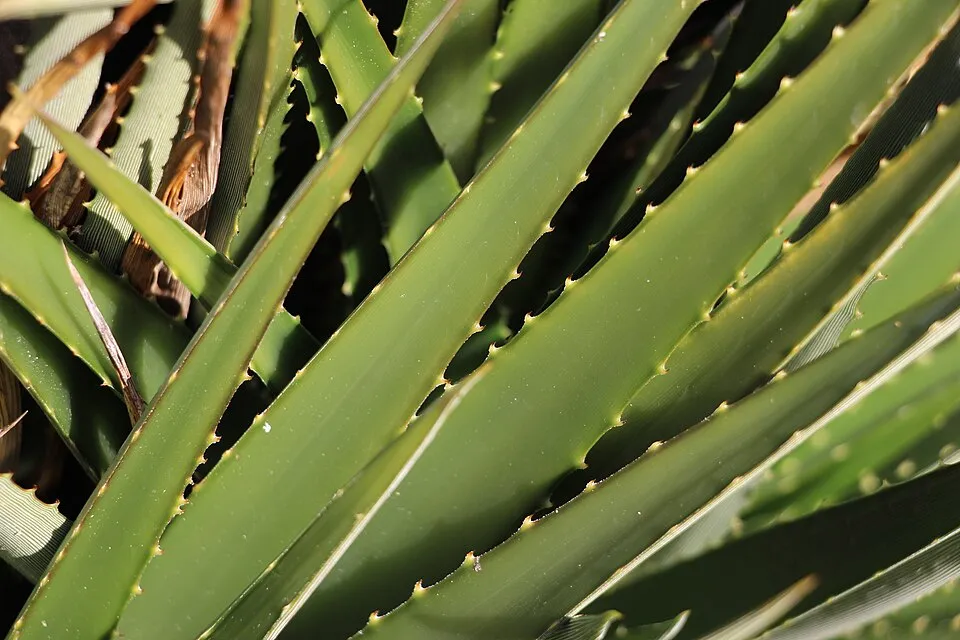
Dyckia brevifolia, often recognized by its evocative common name, the sawblade or tough succulent bromeliad, is a captivating perennial species within the diverse Bromeliaceae family. This distinctive plant typically forms dense, basal rosettes of narrow, rigid leaves, reaching lengths of up to 70 cm (27 inches) and contributing to an overall plant height of 30-50 cm (12-20 inches). Its foliage is particularly striking, exhibiting a beautiful silver sheen attributed to a dense layer of fine trichomes that efficiently reflect light and aid in water retention.
The leaf margins are sharply serrated, giving the plant a formidable, architectural presence. Native and endemic to the rocky, arid regions of Brazil, Dyckia brevifolia is a xerophytic marvel, exceptionally adapted to withstand prolonged drought conditions and thrive in well-drained soils. In favorable conditions, this resilient species produces tall, slender floral spikes, often rising up to 60 cm (24 inches) above the foliage.
These spikes are adorned with bright yellow to orange flowers, typically blooming during the warmer summer months and attracting various pollinators. Unlike many other bromeliads, Dyckia brevifolia does not perish after flowering but continues to grow and produce offsets, allowing for its natural spread and propagation. Its robust nature and unique aesthetic make it a prized specimen for indoor cultivation, xeriscaping, and rock gardens, offering dramatic visual interest with minimal maintenance.
Trusted Scientific References
1. Authoritative external sources for Dyckia brevifolia
1.1 Wikipedia — Dyckia brevifolia
1.2 Kew POWO (Plants of the World Online)
1.3 PubMed — peer-reviewed research
1.4 NCBI Taxonomy Browser
1.5 GBIF — Global Biodiversity
1.6Dyckia should be interpreted through verified botanical identity, practical care, and responsible safety language. This recovery note adds the missing context needed for a complete profile: match light to the plant's habit, use well-drained soil, water according to season, and avoid unsupported medicinal or edible claims. For publishing, the plant can be presented as a source-backed indoor plant with clear care guidance, common problem diagnosis, and conservative safety wording.
1.1.Dyckia — Key Features
- ✓ <strong>Botanical Name</strong> — Dyckia brevifolia
- ✓ <strong>Family</strong> — Bromeliaceae (Pineapple Family)
- ✓ <strong>Common Names</strong> — Sawblade, Tough Succulent Bromeliad
- ✓ <strong>Native Region</strong> — Endemic to Brazil, thriving in rocky, arid habitats
- ✓ <strong>Growth Habit</strong> — Perennial, rosette-forming, terrestrial succulent
- ✓ <strong>Foliage</strong> — Rigid, narrow, silver-sheened leaves with sharply serrated margins, up to 70 cm long
- ✓ <strong>Flowers</strong> — Bright yellow to orange, produced on tall, upright spikes (up to 60 cm) during summer
- ✓ <strong>Drought Tolerance</strong> — Excellent xerophytic adaptation, highly resilient to dry conditions
- ✓ <strong>Primary Use</strong> — Ornamental plant for landscapes, rock gardens, and container cultivation
- ✓ <strong>Maintenance</strong> — Low-maintenance, requiring well-drained soil, bright direct sunlight, and infrequent watering
- ✓ <strong>Unique Trait</strong> — Does not die after flowering, actively produces offsets (pups) for propagation
1.2.Dyckia — Quick Summary
- ✓ Dyckia brevifolia is a striking, spiny succulent bromeliad native to Brazil, highly valued for its ornamental appeal.
- ✓ It features rigid, silver-sheened rosettes and produces vibrant yellow-orange flower spikes, thriving in full sun.
- ✓ Known for its exceptional drought tolerance and low maintenance, making it an excellent choice for xeriscaping or container gardens.
- ✓ Primarily used horticulturally; there are no significant traditional or scientifically proven medicinal uses documented.
- ✓ Handling requires significant caution due to its sharply serrated leaves and spines to prevent physical injury.
- ✓ Preliminary phytochemical screening indicates the presence of alkaloids, flavonoids, and saponins, but specific compounds and their activities are largely uncharacterized.
2.Dyckia — Scientific Identity
3.Dyckia — Quick Facts
4.Dyckia — Appearance & Identification
5.Dyckia — Native Habitat
6.Dyckia — Water Requirements
- ✓ Soil Requirements — Utilize an exceptionally well-draining substrate, ideally a specialized cactus or succulent mix, further enhanced with perlite, pumice, or coarse sand to ensure optimal aeration and prevent any waterlogging.
- ✓ Light Exposure — Provide bright, direct sunlight for several hours daily to promote vibrant foliage color and robust growth; insufficient light can lead to etiolation and diminished vigor.
- ✓ Watering Regimen — During the active growing season (spring and summer), water thoroughly when the topsoil is completely dry, allowing for full drainage; significantly reduce watering in cooler dormant months to mimic its natural arid conditions.
- ✓ Temperature and Humidity — Thrives in warm temperatures but demonstrates good tolerance for cool winter temperatures; generally prefers low to moderate humidity, consistent with its native dry, rocky habitats.
- ✓ Fertilization — Feed sparingly during the active growing season with a diluted, balanced liquid fertilizer specifically formulated for succulents, typically once every 2-4 weeks, to support healthy development without over-fertilizing.
- ✓ Propagation Techniques — Propagate Dyckia brevifolia effectively through offsets (pups) that develop around the base of the mother plant, allowing them to establish well before careful separation, or by sowing seeds from mature flower spikes.
- ✓ Container Choice — Select a pot with ample drainage holes and sufficient size to accommodate its extensive root system, with porous terracotta pots being an excellent choice due to their breathability.
Reviewed by the Flora Medical Global Botanical Review Panel
Multi-disciplinary editorial group · Botany · Ethnobotany · Herbal-medicine literature
Who reviewed this: This page was checked by the Flora Medical Global Botanical Review Panel — an in-house editorial group of botany graduates, ethnobotany researchers, and horticulture practitioners who collectively maintain our 7,000+ plant encyclopedia. Meet the team.
Our 4-step verification process
1. Taxonomic verification
Scientific names and synonyms cross-checked against Kew POWO, World Flora Online, and The Plant List.
2. Phytochemical & medicinal cross-reference
Active compounds, traditional uses, and reported activities are cross-referenced with PubMed, USDA Dr. Duke's database, and peer-reviewed ethnobotanical literature.
3. Conservation & distribution check
Distribution, ecology, and conservation status confirmed against GBIF occurrence records and the IUCN Red List.
4. Editorial & safety review
Every entry passes an editorial pass for clarity, originality, and safety notices (toxicity, contraindications, dosage caveats) before publication.
Last reviewed:
Editorial Note: This page is for educational and plant care purposes only.
Written by: Flora Medical Global Editorial Team
Reviewed by: Flora Medical Global Botanical Review Panel
Last Updated: June 15, 2026







Dyckia — Comments & Community Reviews
Rate this plant