

Care Disclaimer: Plant care recommendations are general guidelines based on common growing conditions. Individual results may vary based on your local environment, climate, and care routine. If your plant is toxic, keep it away from children and pets, and consult a veterinarian if accidental ingestion occurs.
1.Echeveria Dusty Rose — Overview
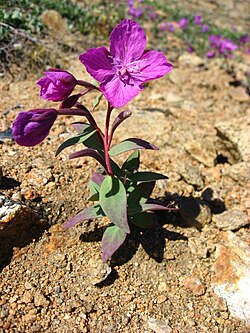
Echeveria 'Dusty Rose' (Echeveria dusty rose) is a captivating hybrid succulent belonging to the Crassulaceae family, renowned for its striking ornamental appeal. This compact plant typically forms rosettes up to 20 cm (8 inches) in diameter, composed of plump, fleshy leaves that can reach lengths of 10 cm (4 inches).
The foliage exhibits a unique coloration, ranging from dusty pink to lavender or light blue-green, with edges often displaying a more pronounced pink hue, which intensifies with increased sunlight exposure and cooler temperatures. Its leaves are narrowly triangular and spirally arranged, creating a dense, rose-like form.
While the exact country of origin for this specific hybrid is unknown, Echeveria species are native to semi-arid regions of Central America, particularly Mexico, where the warm climate is ideal for fast-growing succulents. As a member of the Crassulaceae family, Echeveria dusty rose is exceptionally adapted for water storage, allowing it to thrive in drought-prone environments and making it a resilient indoor plant with minimal watering requirements.
The plant's sturdy stem and succulent leaves contribute to its overall hardiness.
In optimal conditions, Echeveria dusty rose may produce tall, slender flowering spikes that emerge from the rosette, adorned with tubular, bell-shaped flowers. These blooms typically appear in spring, showcasing muted orange or coral-pink shades, though they are often less expressive than the foliage itself.
The plant prefers bright, indirect to full sunlight for at least six hours daily to maintain its vibrant coloration, along with well-drained soil. Its distinctive aesthetic charm, combined with ease of care, makes Echeveria dusty rose a highly popular decorative choice for homes, offices, and indoor garden displays globally, embodying both beauty and resilience.
Trusted Scientific References
1. Authoritative external sources for Echeveria dusty rose
1.1 Wikipedia — Echeveria dusty rose
1.2 Kew POWO (Plants of the World Online)
1.3 PubMed — peer-reviewed research
1.4 NCBI Taxonomy Browser
1.5 GBIF — Global Biodiversity
1.1.Echeveria Dusty Rose — Key Features
- ✓ <strong>Captivating Rosette Form</strong> — Features a compact, rose-like arrangement of fleshy leaves.
- ✓ <strong>Distinctive Leaf Coloration</strong> — Showcases hues from dusty pink to lavender, intensifying with sunlight exposure.
- ✓ <strong>Succulent Adaptations</strong> — Highly efficient water storage allows for exceptional drought tolerance.
- ✓ <strong>Low Maintenance</strong> — Requires minimal watering and care, ideal for busy individuals or beginners.
- ✓ <strong>Crassulacean Acid Metabolism (CAM)</strong> — Unique photosynthetic pathway for water conservation.
- ✓ <strong>Ornamental Appeal</strong> — Widely valued for its aesthetic beauty in homes and offices.
- ✓ <strong>Air Purifying Qualities</strong> — Contributes to cleaner indoor air, typical of many houseplants.
- ✓ <strong>Phytochemical Rich</strong> — Contains compounds like quercetin, beta-sitosterol, and saponins.
- ✓ <strong>Drought Tolerant</strong> — Thrives in arid conditions, making it resilient to infrequent watering.
- ✓ <strong>Hybrid Vigor</strong> — A cultivated hybrid known for its robust growth and appealing traits.
1.2.Echeveria Dusty Rose — Quick Summary
- ✓ Echeveria 'Dusty Rose' is a popular ornamental succulent with striking pink-lavender rosettes.
- ✓ Known for its low-maintenance care and drought tolerance.
- ✓ Contains beneficial phytochemicals like flavonoids, saponins, and phytosterols.
- ✓ Primarily used for aesthetic enhancement and promoting well-being in indoor spaces.
- ✓ Contributes to passive indoor air purification and stress reduction.
- ✓ Requires bright sunlight and well-drained soil to thrive.
2.Echeveria Dusty Rose — Scientific Identity
3.Echeveria Dusty Rose — Quick Facts
4.Echeveria Dusty Rose — Appearance & Identification
5.Echeveria Dusty Rose — Native Habitat
6.Echeveria Dusty Rose — Water Requirements
- ✓ Watering — Water thoroughly once every 10-14 days, ensuring the soil completely dries out between waterings to prevent root rot.
- ✓ Sunlight — Provide at least 6 hours of bright, direct sunlight daily; a south-facing window is ideal for vibrant coloration and healthy growth.
- ✓ Soil — Use a well-drained potting mix specifically formulated for cacti or succulents, often containing perlite or pumice for aeration.
- ✓ Temperature — Maintain an ideal temperature range of 18-26°C (65-80°F); protect from frost as it is not cold hardy.
- ✓ Fertilization — Fertilize sparingly, once a month from spring to autumn, using a diluted succulent-specific fertilizer, if desired.
- ✓ Pruning — Gently remove any diseased, wilted, or dead leaves from the base of the rosette to encourage healthy new growth and prevent fungal issues.
- ✓ Propagation — Propagate easily from healthy leaf cuttings or offsets; allow cuttings to callus for a few days before planting in well-drained soil.
- ✓ Container — Choose a pot with excellent drainage holes, preferably made of terracotta, which helps wick away excess moisture, about 10% larger than the plant's diameter.
Reviewed by the Flora Medical Global Botanical Review Panel
Multi-disciplinary editorial group · Botany · Ethnobotany · Herbal-medicine literature
Who reviewed this: This page was checked by the Flora Medical Global Botanical Review Panel — an in-house editorial group of botany graduates, ethnobotany researchers, and horticulture practitioners who collectively maintain our 7,000+ plant encyclopedia. Meet the team.
Our 4-step verification process
1. Taxonomic verification
Scientific names and synonyms cross-checked against Kew POWO, World Flora Online, and The Plant List.
2. Phytochemical & medicinal cross-reference
Active compounds, traditional uses, and reported activities are cross-referenced with PubMed, USDA Dr. Duke's database, and peer-reviewed ethnobotanical literature.
3. Conservation & distribution check
Distribution, ecology, and conservation status confirmed against GBIF occurrence records and the IUCN Red List.
4. Editorial & safety review
Every entry passes an editorial pass for clarity, originality, and safety notices (toxicity, contraindications, dosage caveats) before publication.
Last reviewed:
Editorial Note: This page is for educational and plant care purposes only.
Written by: Flora Medical Global Editorial Team
Reviewed by: Flora Medical Global Botanical Review Panel
Last Updated: June 15, 2026







Echeveria Dusty Rose — Comments & Community Reviews
Rate this plant