


Care Disclaimer: Plant care recommendations are general guidelines based on common growing conditions. Individual results may vary based on your local environment, climate, and care routine. If your plant is toxic, keep it away from children and pets, and consult a veterinarian if accidental ingestion occurs.
1.Ficus Elastica Tineke — Overview
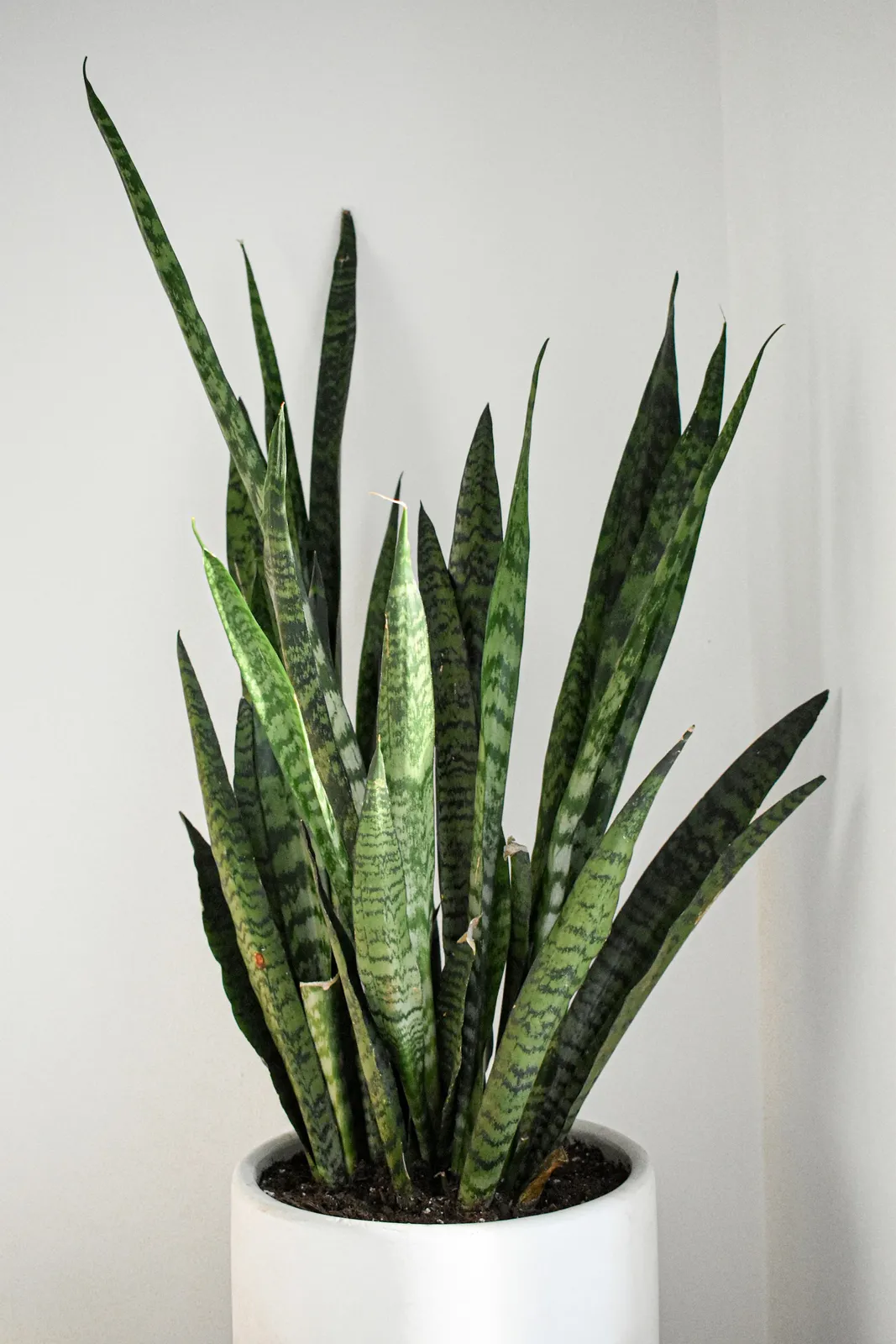
Ficus Elastica Tineke, scientifically known as Ficus elastica 'Tineke', is a captivating cultivar of the Indian Rubber Plant, belonging to the extensive Moraceae family. This evergreen species is highly prized as an indoor ornamental plant, typically reaching heights of 2 to 6 feet in cultivated environments, though its wild counterparts can grow significantly larger. Its most distinguishing feature is its glossy, ovate leaves, which can extend up to 12 inches in length and 4 inches in width.
These leaves display a striking variegated pattern, characterized by a central dark green hue that gradually transitions to creamy white or pale yellow margins, often with subtle pink or reddish tints along the edges and midribs when exposed to adequate light. The leaf texture is leathery and stiff, contributing to its robust appearance.
Native to the tropical and subtropical regions of India and Southeast Asia, Ficus elastica 'Tineke' thrives in warm, humid conditions, mimicking its natural rainforest habitat. While the species Ficus elastica does produce small, inconspicuous syconia (a type of inflorescence that develops into a fruit), the 'Tineke' cultivar rarely flowers or fruits when grown indoors, with its aesthetic value lying almost entirely in its magnificent foliage. The plant prefers bright, indirect light and well-draining soil, making it adaptable to various interior settings as a focal point or an elegant vertical accent.
Its sturdy stems and distinctive aerial roots, sometimes seen in mature outdoor specimens, are characteristic of the Ficus genus. Beyond its visual appeal, Ficus elastica 'Tineke' is also recognized for its contribution to enhancing indoor air quality, a significant benefit in urban living spaces, cementing its role as a prominent ornamental and functional houseplant.
Trusted Scientific References
1. Authoritative external sources for Ficus elastica tineke
1.1 Wikipedia — Ficus elastica tineke
1.2 Kew POWO (Plants of the World Online)
1.3 PubMed — peer-reviewed research
1.4 NCBI Taxonomy Browser
1.5 GBIF — Global Biodiversity
1.1.Ficus Elastica Tineke — Key Features
- ✓ <strong>Striking Variegated Foliage</strong> — Leaves boast unique patterns of dark green, creamy white, and pink.
- ✓ <strong>Excellent Indoor Air Purifier</strong> — Effectively removes common household toxins from the air.
- ✓ <strong>Evergreen Ornamental Plant</strong> — Provides year-round aesthetic appeal.
- ✓ <strong>Easy to Moderate Care</strong> — Adaptable to indoor conditions with proper attention.
- ✓ <strong>Tropical Aesthetic</strong> — Brings a lush, exotic feel to interior spaces.
- ✓ <strong>Large, Glossy Leaves</strong> — Contributes to its impressive visual presence.
- ✓ <strong>Member of the Moraceae Family</strong> — Genus Ficus, known for diverse species.
- ✓ <strong>Milky, Irritant Sap</strong> — Contains latex that can cause skin irritation and is toxic if ingested.
- ✓ <strong>Moderate Growth Rate</strong> — Can grow into a substantial indoor tree over time.
- ✓ <strong>Low Maintenance</strong> — Once established, requires relatively straightforward care.
1.2.Ficus Elastica Tineke — Quick Summary
- ✓ Ficus Elastica 'Tineke' is a popular variegated Rubber Plant cultivar.
- ✓ Primarily an ornamental houseplant known for striking foliage.
- ✓ Highly effective at purifying indoor air by removing toxins like formaldehyde.
- ✓ Contains mildly toxic milky sap, requiring careful handling.
- ✓ Requires bright, indirect light and consistent care for optimal growth.
- ✓ Contributes to improved indoor aesthetics and psychological well-being.
2.Ficus Elastica Tineke — Scientific Identity
3.Ficus Elastica Tineke — Quick Facts
4.Ficus Elastica Tineke — Appearance & Identification
5.Ficus Elastica Tineke — Native Habitat
6.Ficus Elastica Tineke — Water Requirements
- ✓ Light — Provide bright, indirect light; direct afternoon sun can scorch the variegated leaves.
- ✓ Watering — Water thoroughly when the top 1-2 inches of soil are dry, then allow to drain completely to prevent root rot.
- ✓ Humidity — Prefers high humidity; consider misting regularly or placing near a humidifier.
- ✓ Soil — Use a well-draining, soil-based potting mix rich in organic matter.
- ✓ Temperature — Maintain consistent temperatures between 60-75°F (15-24°C); avoid cold drafts and sudden temperature drops.
- ✓ Pruning — Prune to maintain desired size and shape, encouraging bushier growth by snipping off top growth points.
- ✓ Fertilization — Feed monthly during the growing season (spring to fall) with a balanced liquid fertilizer.
- ✓ Cleaning — Wipe leaves periodically with a damp cloth to remove dust and optimize photosynthesis.
Reviewed by the Flora Medical Global Botanical Review Panel
Multi-disciplinary editorial group · Botany · Ethnobotany · Herbal-medicine literature
Who reviewed this: This page was checked by the Flora Medical Global Botanical Review Panel — an in-house editorial group of botany graduates, ethnobotany researchers, and horticulture practitioners who collectively maintain our 7,000+ plant encyclopedia. Meet the team.
Our 4-step verification process
1. Taxonomic verification
Scientific names and synonyms cross-checked against Kew POWO, World Flora Online, and The Plant List.
2. Phytochemical & medicinal cross-reference
Active compounds, traditional uses, and reported activities are cross-referenced with PubMed, USDA Dr. Duke's database, and peer-reviewed ethnobotanical literature.
3. Conservation & distribution check
Distribution, ecology, and conservation status confirmed against GBIF occurrence records and the IUCN Red List.
4. Editorial & safety review
Every entry passes an editorial pass for clarity, originality, and safety notices (toxicity, contraindications, dosage caveats) before publication.
Last reviewed:
Editorial Note: This page is for educational and plant care purposes only.
Written by: Flora Medical Global Editorial Team
Reviewed by: Flora Medical Global Botanical Review Panel
Last Updated: June 15, 2026







Ficus Elastica Tineke — Comments & Community Reviews
Rate this plant